Can a Dual Fuel Generator Run on Natural Gas?
A dual fuel generator can run on natural gas only if it is designed or converted for CNG. Many dual fuel models support gasoline and propane but not natural gas, so check the fuel system, engine compatibility, and conversion instructions first.
On this page (8 sections)
- Is natural gas the same as propane for a dual fuel generator?
- How do you check if a dual fuel generator supports natural gas?
- Can a conversion kit add natural gas to a generator?
- Which conversion kit fits a Honda EU2200i?
- Does a large dual fuel home generator run on natural gas?
- What should you check before using natural gas?
- How do you choose between a factory tri-fuel model and a conversion kit?
- What is the final rule for dual fuel generator natural gas use?
A dual fuel generator can run on natural gas only when its fuel system supports compressed natural gas, or CNG, either from the factory or through a compatible conversion kit. For more on gasoline models, see whether inverter generators use gas.
That support is specific, not general. A generator built for gasoline and propane may have a different regulator, mixer, and fuel selector than a model built for a household gas line.
A gasoline-and-propane generator is not automatically ready for a household natural gas line. The presence of two fuels in the product name does not tell you which two fuels are supported.
Natural gas also arrives differently from propane. Propane usually comes from a cylinder you connect and store, while household natural gas comes through utility piping at a set pressure that the generator must accept.
The key check is the fuel label and manual. Look for natural gas, CNG, or tri fuel support, then confirm the required pressure, regulator, hose, and engine fit before connecting anything.
Start with the exact wording in the manual. Terms such as propane, LPG, and dual fuel describe a narrower setup and should not be read as natural gas support.
Then check the engine details. Conversion kits are built around displacement, carburetor style, choke design, and physical clearance, so a kit that fits one engine family may not fit another.
Finally, check the supply side. The hose, fittings, shutoff, and pressure must match the generator requirements, and permanent household lines may require a qualified professional and local approval.
Is natural gas the same as propane for a dual fuel generator?
Natural gas and propane are different fuels with different supply requirements. Propane is stored as a liquefied gas in a cylinder, while household natural gas usually arrives through a utility line at a different pressure.
A generator's regulator and mixer must match the fuel. A propane setting may not deliver natural gas correctly, even if both fuels are gaseous.
A dual fuel generator normally means gasoline plus propane. A tri fuel generator adds natural gas as the third option.
Read the manual instead of relying on the word “dual” in a product name.
For a broader look at engine types, fuel choices, and backup uses, see our fuel generators complete buying guide.
How do you check if a dual fuel generator supports natural gas?
Check the manual, fuel selector, engine model, and conversion instructions together. A single mention of propane compatibility does not prove that the generator can use CNG.
Use this checklist:
- Find the supported fuel types in the manual.
- Look for natural gas or CNG wording.
- Confirm the engine displacement and model.
- Check whether the fuel system needs a regulator or mixer.
- Verify the required gas pressure.
- Confirm that the hose and connection method are approved.
- Check local rules before connecting to a household gas line.
The engine model matters because conversion kits are designed around specific carburetors, choke systems, and physical layouts. Measure available space around the carburetor before ordering a kit.
Can a conversion kit add natural gas to a generator?
A compatible tri-fuel conversion kit can add natural gas, but the kit must match the generator's engine and carburetor. Compatibility is not based only on the generator's wattage.
The HIPA 389cc 420cc Tri Dual Generator Carburetor supports gasoline, propane, and natural gas. It is designed for Honda GX340, GX390, GX420, and GX460 engines and clones, along with several Champion, Predator, Generac, Power, Powermate, Westinghouse, and Ford generator ranges.
HIPA includes a 3-position rotary switch with an OFF setting and a manual choke lever. Its compatibility note makes engine displacement, original carburetor style, and engine-compartment clearance important checks before buying.
The kit's listed CNG pressure range is 2.0 to 2.6 KPA. That detail matters because the natural gas supply and regulator must deliver fuel within the system's required range.
If your generator uses propane but lacks a natural gas setting, compare the best gas generator propane conversion kit options carefully. A propane-only conversion kit may not add CNG support.
Which conversion kit fits a Honda EU2200i?
The Hutch Mountain conversion kit is designed for a Honda EU2200i and supports gasoline, propane, and natural gas. Confirm your exact Honda model before ordering because similar-looking inverter generators may use different fittings or layouts.
The kit has a 2,200-watt output rating, a 418cc engine displacement specification, and a 4-stroke engine reference. Its included components are the dual-fuel conversion kit, manual, and fuel adapters.
The product information also identifies compatibility with Honda EU2000i, EU2200i, and EU3000i configurations. Check the exact inverter model, fuel connection, and clearance before starting installation.
Hutch Mountain describes the setup as suitable for basic-tool installation and includes photo-based instructions. That can reduce guesswork, but you still need to follow the generator and conversion-kit instructions in the correct order.
Readers comparing Honda gasoline and propane operation can also review whether a Honda generator runs on gasoline and propane.
Does a large dual fuel home generator run on natural gas?
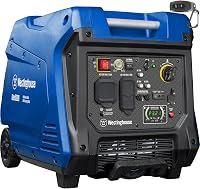
The Westinghouse 12500 Watt Dual Fuel Home Backup runs on gasoline and propane, not natural gas according to its listed fuel types. Do not connect it to a natural gas line unless Westinghouse provides an approved conversion method for this model.
This Westinghouse model has a 457cc 4-stroke OHV engine. It produces 9,500 running watts and 12,500 peak watts on gasoline, or 8,500 running watts and 11,200 peak watts on propane.
Its control panel includes two 120V 20A household receptacles, a 120V L14-30R transfer-switch-ready outlet, and a 120/240V 14-50R RV-ready outlet. It also has remote electric start, recoil start, a 6.6-gallon fuel tank, and a fuel gauge.
The included components are a battery charger, engine oil and funnel, key fob, owner's manual, propane hose, quick-start guide, and warranty. Those details make it useful for gasoline or propane home backup, but they do not add natural gas support.
For natural gas planning, compare the best tri fuel generator natural gas line options instead of assuming a larger wattage rating means broader fuel compatibility.
What should you check before using natural gas?
Confirm the gas pressure, regulator, shutoff method, hose rating, and connection point before starting the generator. Compare propane generator hoses against those requirements.
A correct engine match is only one part of a safe installation.
Keep the generator outdoors and away from doors, windows, and vents. Review how to use a portable gas generator for additional operating guidance.
Natural gas does not remove the carbon monoxide danger created by combustion.
The CDC's carbon monoxide guidance explains why portable generators must stay outside and away from openings.
Never use a household gas connection as a guesswork project. If the setup involves a permanent line, building piping, or a new shutoff, use a qualified professional and follow local requirements.
Before each use, check the hose and fittings for damage, confirm the fuel selector is in the correct position, and inspect the area for a gas smell. Shut the system down and leave the area if you suspect a leak.
How do you choose between a factory tri-fuel model and a conversion kit?
Choose a factory tri-fuel generator when you want natural gas support without matching a separate kit to an existing engine. Choose a conversion kit when your current generator is compatible and you want to keep that equipment.
A conversion kit can be a practical fit when you know the engine displacement, carburetor style, and available clearance. It also requires careful installation and a check that the natural gas supply matches the regulator.
A factory dual fuel generator can be a better fit when you need higher output for home backup but only plan to use gasoline or propane. The Westinghouse model offers 9,500 running watts on gasoline, but its listed fuel types do not include CNG.
If you are comparing fuel backup with battery storage, read Which Is Better Solar Generator Or Gas Generator?. For refrigerator backup, How Long Can A Solar Generator Run A Fridge? covers a different power-storage approach.
What is the final rule for dual fuel generator natural gas use?
Pick a tri-fuel generator or a verified CNG conversion kit if natural gas is essential. Pick a standard dual fuel generator only when gasoline and propane meet your backup plan.
Your choice should follow the fuel you will actually use. If a household gas line is central to the plan, do not buy a gasoline and propane model and hope for a later change.
For an existing Honda EU2200i, the Hutch Mountain kit is the targeted option here. For compatible 340cc to 460cc Honda GX-style engines and clones, the HIPA kit offers gasoline, propane, and natural gas support.
For high-output gasoline and propane backup, the Westinghouse generator provides more listed running wattage but is not a natural gas model. It suits buyers who want strong home backup on gasoline or propane, rather than a direct gas line.
Always match the engine, regulator, fuel pressure, fittings, and local installation rules before use. Keep the generator outdoors, inspect connections before each run, and treat any suspected leak as a reason to shut down and leave the area.
Frequently asked questions
Can every dual fuel generator run on natural gas?
No. Many dual fuel generators support gasoline and propane only.
A generator needs a CNG-ready fuel system, a compatible regulator, and an approved connection method to use natural gas.
Check the owner’s manual and engine details before attaching a natural gas line or buying a conversion kit.
What is the difference between dual fuel and tri fuel?
A dual fuel generator uses 2 fuel types, commonly gasoline and propane. A tri fuel generator supports 3, usually gasoline, propane, and natural gas.
The names describe supported fuels, not a guarantee that every model can be changed to use another fuel.
Can I convert a propane generator to natural gas?
Sometimes, but only with a conversion kit made for the exact engine and carburetor design. Confirm engine displacement, choke style, regulator requirements, physical clearance, and fuel pressure.
Do not connect a natural gas line to a propane-only system without an approved conversion method.
Is natural gas safer than gasoline for a generator?
Natural gas avoids storing liquid gasoline, but a running generator still produces carbon monoxide and must stay outdoors, away from doors, windows, and vents. Fuel leaks and incorrect connections also create hazards.
Follow the generator manual and official carbon monoxide safety guidance.