Do Inverter Generators Use Gas?
Most inverter generators use gasoline, but some models also run on propane. Battery-based solar generators do not burn fuel, so the right choice depends on your power needs and backup plan.
On this page (9 sections)
- Do inverter generators use gas or gasoline?
- What is an inverter generator?
- Can an inverter generator run without gasoline?
- What fuel does a portable inverter generator need?
- Are all inverter generators gas powered?
- How does gasoline compare with propane and solar power?
- What should you check before buying a gas inverter generator?
- How should you use and store a gasoline inverter generator?
- So, do inverter generators use gas?
Most inverter generators use gasoline, but fuel choices vary by model. Some accept propane as well, while solar generators store electricity in batteries and do not burn fuel.
The word “inverter” describes how the generator produces cleaner, steadier power. It does not mean the generator is fuel-free.
That distinction matters when you plan for camping, RV travel, or a home outage. A gasoline model needs fuel storage, outdoor placement, and regular checks, while a battery system needs a charged battery and a way to recharge it.
Fuel type also affects run time and the loads you can support. Larger engine models tend to offer more sustained output, while smaller battery units suit lighter devices and short bursts of power.
Checking the label before you buy helps you avoid a mismatch. Confirm whether the model is gasoline only, dual fuel, or battery based, and make sure the outlets and rated watts match what you intend to run.
For a broader overview of fuel-powered models, see this gas generator buying guide.
Do inverter generators use gas or gasoline?
Gas-powered inverter generators use gasoline in an engine, then convert that engine output into stable electricity. The tank size, engine speed, run time, and available wattage depend on the model and the load.
Gasoline is common because it is easy to find and works with many portable generators. You still need to store it safely, use fresh fuel, and keep the generator outside during operation.
Fresh fuel and clean storage reduce starting problems and keep the engine running smoothly. Let the unit cool before refueling, and keep containers away from living spaces and heat sources.
A fuel shutoff can help reduce stale fuel inside the carburetor. For general safety, the CDC's carbon monoxide guidance for portable generators explains why generators must stay outdoors and away from openings.
Placement matters as much as fuel choice in daily use. Set the generator on level ground, keep cords dry, and leave enough room for air flow around the engine.
What is an inverter generator?
An inverter generator uses an engine and an inverter system to create stable AC power. The engine may run at different speeds as the electrical load changes, which can reduce fuel use and noise compared with some conventional generator designs.
If you want the basic parts explained first, read what is a portable inverter generator. The main point is that “inverter” refers to the power technology, not the fuel source.
Gasoline models can suit camping, travel trailers, and home backup needs. They still produce exhaust, heat, and noise, so placement and ventilation rules matter more than the inverter label.
Can an inverter generator run without gasoline?
A gasoline-only inverter generator cannot run without gasoline. It needs fuel for the engine, even if the inverter section produces clean power for sensitive electronics.
Some models offer another approved fuel. The Westinghouse 12500 Watt Dual Fuel Home Backup runs on gasoline or propane, giving you a second fuel option during an outage.
The same model produces 9500 running watts and 12500 peak watts on gasoline, or 8500 running watts and 11200 peak watts on propane. Its 6.6 gallon gasoline tank supports up to 12 hours of run time, and it has a transfer switch ready 30 amp outlet plus a 120/240V 50 amp RV-ready outlet.
Propane can be useful when you want to avoid storing gasoline for every backup situation. Gasoline may be easier to obtain in some emergencies, so a dual-fuel generator gives you more than one planning path.
What fuel does a portable inverter generator need?
Use only the fuel type approved for your specific generator. Gasoline-only models need gasoline, dual-fuel models can use gasoline or propane, and battery power stations use stored electrical energy.
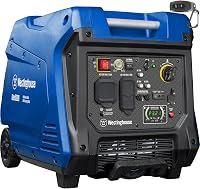
The Westinghouse 5000 Peak Watt Super Quiet Portable is gasoline powered. It has a 3.4 gallon tank, up to 18 hours of stated run time, and an economy mode that adjusts engine speed for fuel efficiency.
This model provides 5000 peak watts and 3900 rated watts, with less than 3% THD. Its outlets include a 30 amp TT-30R RV outlet, a 120V household outlet, and 2 USB outlets.
The remote electric start, electric start, recoil start, wheels, and telescoping handle can make a 104.7 lb generator easier to position than a small carry-only model. Measure storage space and plan how you'll move it before buying.
Are all inverter generators gas powered?
No. Not all inverter generators use gasoline, and not all fuel generators are gasoline-only.
The fuel label should be one of your first checks when comparing models.
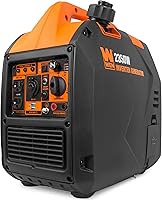
The WEN Super Quiet 2350-Watt Portable is gasoline powered and uses a 4-stroke engine. It produces 2350 surge watts and 1900 rated watts, which suits smaller loads such as phones, tablets, televisions, and computers.
Its fuel shutoff stops the fuel flow and uses remaining fuel in the carburetor before shutdown. That can help limit stagnant fuel buildup during storage, but you still need to follow the care instructions and store gasoline safely.
The WEN model has 2 three-prong 120V receptacles, a 12V DC receptacle, and 2 USB ports. Its smaller output and 39 lb weight make it easier to carry than larger home backup generators, but it is not the same fit as a high-output model for major household loads.
How does gasoline compare with propane and solar power?
Gasoline usually offers familiar fueling and strong output, propane offers another fuel choice, and solar power avoids engine exhaust. Each option has limits that affect how you prepare for an outage or trip.
Gasoline-powered inverter generators can support camping, RV use, and emergency loads, but you must handle fuel storage and outdoor operation. Propane models may be useful when you already keep approved propane supplies, although output can differ between gasoline and propane modes.
Solar generators are battery systems rather than engine generators. They need stored charge and may depend on wall power or solar panels for recharging.
Read Which Is Better Solar Generator Or Gas Generator? before choosing between quiet battery power and fuel-based output.
For hurricane planning, fuel availability, exhaust, and recharge conditions all matter. This guide to Is a Solar Generator Better Than a Gas Generator for Hurricanes? compares those trade-offs.
What should you check before buying a gas inverter generator?
Match the generator's rated watts, fuel type, outlets, and storage needs to the loads you plan to run. Peak watts help with startup demands, while rated watts describe the power the generator can supply during normal operation.
Write down the wattage for each appliance and avoid connecting loads beyond the generator's rated output. Refrigerators, pumps, air conditioners, and other motor-driven equipment may need extra starting power.
Check whether you need a 30 amp RV outlet, household receptacles, USB ports, propane support, remote start, wheels, or a display. A model with more output is not automatically the best choice if it is too heavy or difficult to store.
If you are comparing designs, see inverter generator vs regular generator. For gasoline-focused options, compare best gas inverter generators, and for smaller portable models, see best portable inverter generator.
Open-frame designs can offer a different balance of output and portability. Our guide to the best open frame inverter generators can help if that layout fits your use.
How should you use and store a gasoline inverter generator?
Run the generator outdoors, keep it dry, let it cool before refueling, and follow the manual for fuel and maintenance. For operating steps, see portable gas generator use.
Place it away from doors, windows, vents, and other openings where exhaust could enter.
Keep the generator on a stable surface and protect it from rain without enclosing it. Never connect it directly to household wiring unless a qualified electrician installs the correct transfer equipment.
Before storage, follow the manufacturer's fuel instructions. A fuel shutoff may help use fuel from the carburetor, while a dual-fuel model may require separate steps for gasoline and propane.
Inspect the fuel system, cords, outlets, and oil level before each use. Stop operating the generator if you notice damage, fuel leaks, unusual noise, or unsafe conditions.
So, do inverter generators use gas?
Most portable inverter generators use gasoline, but some use propane or both gasoline and propane. Battery-based solar generators do not use gas, so your decision depends on output, run time, fuel storage, noise, exhaust, and recharge needs.
Choose a gasoline model for familiar fueling and portable engine power. Choose a dual-fuel model when propane adds useful backup flexibility, and choose a solar generator when quiet, exhaust-free battery power fits your expected loads.
For a smaller gasoline unit, the WEN 2350-Watt model suits lighter loads and easier carrying. For RV or home use, the Westinghouse 5000 Peak Watt model adds higher output and a 30 amp RV outlet.
For major home backup, the Westinghouse 12500 Watt Dual Fuel model offers the highest output here and 2 approved fuel options.
Frequently asked questions
Do inverter generators run on regular gasoline?
Yes, many inverter generators run on gasoline. Check the model's fuel requirements before filling the tank, use the recommended fuel, and never refuel while the engine is running or hot.
Some models also accept propane, while battery-based solar generators use stored electricity instead.
Can an inverter generator run on propane?
Some inverter generators are dual-fuel models that run on gasoline or propane. A gasoline-only model cannot safely use propane without manufacturer-approved equipment.
Confirm the fuel type, connection method, and operating instructions before switching fuels.
Are solar generators the same as inverter generators?
No. A solar generator is usually a battery power station that stores electricity from wall power or solar panels.
A fuel-powered inverter generator burns gasoline or another approved fuel, then produces electricity through an engine and inverter system.
Is it safe to use a gas inverter generator indoors?
No. Never operate a gasoline or propane generator inside a home, garage, shed, tent, or other enclosed area.
Carbon monoxide can build up quickly.
Place the generator outdoors, away from doors and windows, and follow the safety guidance from the CDC and the manufacturer.