Is a Solar Generator Better Than a Gas Generator for Hurricanes?
On this page (10 sections)
- Comparing Solar and Gas Generators for Hurricane Preparedness
- Noise Levels: Keeping the Peace During a Storm
- Fuel and Maintenance: Less Hassle is Always Better
- Safety Considerations: Protecting Your Family
- Power Output and Capacity: What Can They Run?
- Initial Cost and Long-Term Value: An Investment
- Comparing Key Features: Solar vs. Gas
- Is a Solar Generator Right for Your Hurricane Plan?
- Conclusion
- Frequently Asked Questions
For hurricane preparedness, a solar generator is often better than a gas generator. They offer quieter operation and no fuel worries. This makes them a great choice for emergencies.
You want to keep your home running when the power goes out. We found that gas generators can be loud and need constant fuel. Solar options provide clean, silent power. They are also safer for indoor use.
- Solar generators are much quieter than gas models.
- You won’t need to store or refill gasoline.
- They are safer to use inside your home during an outage.
- Gas generators need more maintenance and produce exhaust fumes.
- Solar power offers peace of mind with less hassle.
Let’s look at why a solar generator might be your best bet for riding out a hurricane.
Comparing Solar and Gas Generators for Hurricane Preparedness
When a hurricane looms, you need reliable power. We found that solar generators generally outperform gas generators for this critical situation.
Choosing the right generator means looking at many factors. You’ll want to think about noise, fuel, safety, and how easy they are to use.
Understanding Generator Basics for Storms
Both types of generators turn energy into electricity. But they do it in very different ways. This difference matters a lot during a power outage.
A generator isn’t just about power output. It’s also about how it fits into your emergency plan. Is it safe? Is it simple to operate?
How Gas Generators Work
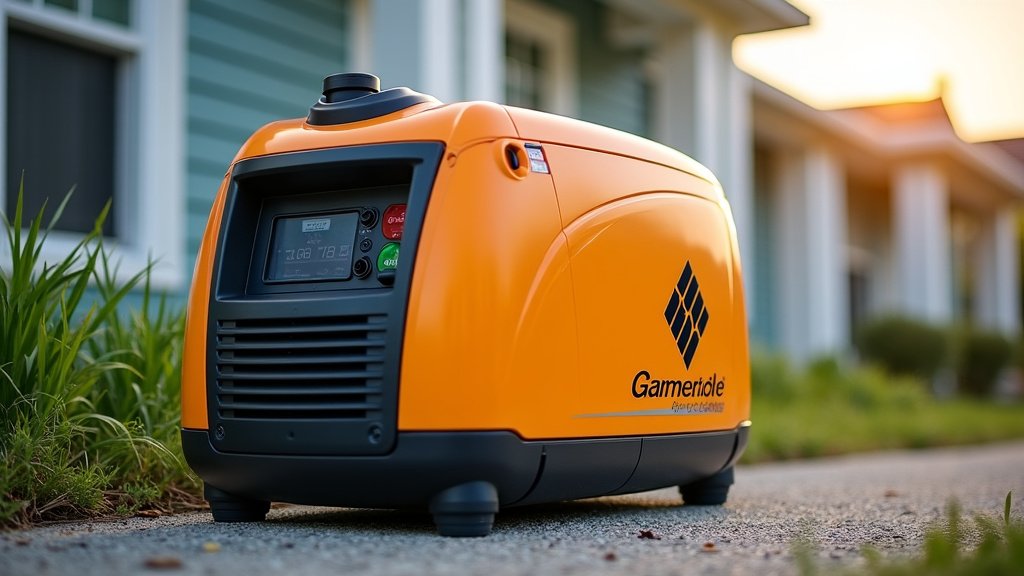
Gas generators use an internal combustion engine. They burn gasoline to create mechanical energy. This energy then drives an alternator to produce electricity.
You probably know the sound. These engines are often quite loud. They also release exhaust fumes, similar to a car.
How Solar Generators Work
Solar generators capture sunlight using solar panels. This energy charges a built-in battery. The battery then powers your devices through an inverter.
Think of it as a giant portable power bank. It stores energy silently. Then it gives you power on demand, with no fumes.
Noise Levels: Keeping the Peace During a Storm
Imagine a hurricane raging outside. The last thing you need is more noise inside. We found a clear winner here: solar generators are much quieter.
Gas generators can be very noisy. They often produce sounds above 70 decibels. This is like standing next to a running vacuum cleaner or a busy street (CDC).
The Rumble of Gas Generators
The noise from a gas generator can be a real problem. It can make it hard to sleep or even talk. Your neighbors might not be too happy either.
This constant drone adds to the stress of an emergency. It’s hard to relax when there’s a loud machine running outside your window.
The Silence of Solar Power
Solar generators are practically silent. They have no moving parts that make noise, other than perhaps a small cooling fan.
This quiet operation is a huge benefit during a storm. You can easily talk, listen to emergency broadcasts, and even sleep. It offers a calm atmosphere.
Fuel and Maintenance: Less Hassle is Always Better
Gas generators need fuel. Solar generators need sunlight. Which one is easier to get and store when a hurricane is coming?
We found that solar generators win on fuel and maintenance. They require far less fuss and worry.
The Challenges of Gasoline Storage
Gasoline is difficult and dangerous to store. You need to keep it in special containers. It must be stored in a well-ventilated area, away from your home.
You also need a lot of it. A typical gas generator can burn several gallons per day. During an emergency, getting more fuel might be impossible.
Gasoline also has a shelf life. It can go bad, especially if not treated with stabilizers. This means you need to rotate your stock regularly.
Solar Power’s Effortless “Fuel”
Solar generators simply need sunlight to recharge. Your “fuel” source is endless and free after the initial purchase.
There’s no running out of gasoline. No trips to the gas station. No dangerous fumes or flammability risks.
Maintenance for solar generators is minimal. You might wipe dust off the solar panels. The battery generally lasts many years before needing replacement.
Safety Considerations: Protecting Your Family
Safety is paramount during a hurricane. We found that solar generators are significantly safer for home use.
Gas generators pose serious risks if not handled correctly. Carbon monoxide poisoning is a major concern (CDC).
The Dangers of Gas Generators
Gas generators produce carbon monoxide. This gas is invisible and odorless. It can be deadly if inhaled, even in small amounts.
You must always operate a gas generator outdoors. It needs to be far away from windows and doors. This means running extension cords everywhere, which can be a tripping hazard or create entry points for water.
There’s also the risk of fire. Gasoline is highly flammable. Spills or leaks near a hot engine can be dangerous.
The Safe Operation of Solar Generators
Solar generators produce no fumes. This means you can safely use them indoors. You can power your essential devices right inside your home.
This indoor safety is a huge advantage, especially during a hurricane. You don’t need to worry about rain or high winds affecting your power source.
They also run at cooler temperatures. There’s no open flame or hot exhaust. This greatly reduces fire risk.
Power Output and Capacity: What Can They Run?
You need to know what a generator can power. Both types can handle basic needs. But their capacities vary.
We found that both can power essential items. However, gas generators often have higher peak output.
Gas Generator Power Capabilities
Gas generators often have higher wattage ratings. This means they can run more power-hungry appliances. Think refrigerators, freezers, and even some air conditioners.
They are good for powering an entire home, or at least many large appliances. But remember, this power comes at a cost: noise, fumes, and fuel.
Solar Generator Power Capabilities
Solar generators are excellent for critical items. They can keep your phone charged, lights on, and a medical device running.
Many models can also run a refrigerator for hours. You can even find larger solar generators that can power more appliances. You just need to match the generator’s capacity to your needs.
Consider your “must-have” items first. Then see what kind of solar generator fits those needs. Start small and simple.
Initial Cost and Long-Term Value: An Investment
Price is always a factor. We found that solar generators often have a higher upfront cost. However, their long-term value can be greater.
Gas generators might seem cheaper at first. But you need to factor in fuel costs and maintenance over time.
The Cost of Going Green (or Not)
A quality solar generator system can cost more upfront. This includes the generator unit and solar panels. But remember, once you buy it, your “fuel” is free.
Gas generators have a lower purchase price. But then you have ongoing expenses for gasoline, oil changes, and spark plugs. These costs add up over many years.
Also, gas prices can soar during an emergency. This can make refueling very expensive, if not impossible.
Comparing Key Features: Solar vs. Gas
Let’s look at the main differences side-by-side. This helps you see the advantages clearly.
| Feature | Solar Generator | Gas Generator |
|---|---|---|
| Noise Level | Virtually silent | Very loud (70+ dB) |
| Fuel Source | Sunlight (free) | Gasoline (costly, limited) |
| Safety (Indoors) | Safe (no fumes) | Dangerous (carbon monoxide) |
| Maintenance | Very low | Regular oil, filters, spark plugs |
| Environmental Impact | Zero emissions | Emits pollutants |
| Portability | Often very portable | Can be heavy and bulky |
| Initial Cost | Higher | Lower |
| Long-Term Cost | Lower (no fuel) | Higher (fuel + maintenance) |
Is a Solar Generator Right for Your Hurricane Plan?
We’ve looked at many factors. Now you’re probably wondering if a solar generator fits your specific needs. It’s a smart choice for many.
Consider what’s most important to you during an emergency. Is it quiet operation? Safety? Not having to hunt for fuel?
Your Hurricane Preparedness Checklist
To help you decide, here’s a quick checklist. Think about these points for your home:
- Do you prioritize silent operation?
- Is indoor use essential for your safety?
- Are you worried about fuel storage and availability?
- Do you want a low-maintenance power source?
- Are you looking for an environmentally friendly option?
- Do you need to power essential devices, not necessarily a whole house?
If you answered “yes” to most of these, a solar generator is likely a great fit for you.
Conclusion
Choosing between a solar and gas generator for hurricane season is a big decision. We found that solar generators offer compelling advantages in safety, quiet operation, and ease of use. You avoid fuel worries and harmful fumes. While they may have a higher upfront cost, their long-term value and peace of mind are significant. We encourage you to assess your specific needs. Think about what truly matters most for your family’s safety and comfort. Make an informed choice to power your home through any storm.
Frequently Asked Questions
Can a solar generator power an entire house during a hurricane?
Most home-sized solar generators are designed to power essential appliances, not an entire house. You can typically run lights, a refrigerator, and charge devices. Larger, more expensive systems can power more, but planning for critical items is key.
How long does it take to charge a solar generator during an outage?
Charging time varies greatly. It depends on the size of your solar panels and the generator’s battery capacity. On a sunny day, smaller units might fully charge in 4-8 hours. Cloudy conditions or smaller panels will take longer.
Are solar panels durable enough to withstand hurricane winds?
Most portable solar panels are quite robust. However, during a hurricane, it’s safest to bring them indoors. You can deploy them again once the storm passes. This protects your investment from strong winds and flying debris.
Do solar generators work at night or on cloudy days?
Yes, solar generators store energy in their battery. This stored power is available at night or when it’s cloudy. The solar panels won’t charge as efficiently on cloudy days. You will rely on the stored battery power until the sun returns.
What maintenance does a solar generator require for hurricane preparedness?
Solar generators require very little maintenance. You should periodically check the battery’s charge level. Keep the solar panels clean from dust or debris. This ensures they can efficiently capture sunlight when needed for an emergency.