Inverter vs Regular Generators: Which Should You Choose? (November 2026)
Choose an inverter generator for quieter power and sensitive electronics, or a regular generator for larger home loads. Your best choice depends on noise, wattage, fuel options and how much power your devices need.
On this page (11 sections)
- Inverter generator vs regular generator: which is better?
- How do inverter and regular generators make power?
- Which generator is quieter?
- Which generator is better for sensitive electronics?
- Which generator handles variable loads better?
- Which generator is better for home backup?
- Which inverter generator fits an RV?
- How should you compare fuel and run time?
- What should you check before buying?
- How should you set up and care for a generator?
- Inverter generator or regular generator: which should you choose?
Choose an inverter generator for quieter power and sensitive electronics, or a regular generator for larger home loads. The inverter generator vs regular generator decision comes down to the power your devices need, how close people will be to the unit and whether clean output matters.
Inverter generators are usually the better fit for camping, RV use and electronics. Regular open-frame generators can make more sense for home backup when high running wattage matters more than low noise.
This comparison covers noise, electronics, variable loads, fuel choices, portability and setup. For a broader look at gasoline models, see our fuel generator buying guide.

 Best for light camping loads
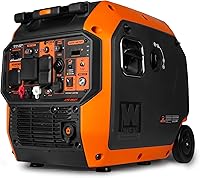
WEN Super Quiet 2350-Watt Portable Inverter Generator
Inverter generator vs regular generator: which is better?
An inverter generator is better for quiet, portable power, while a regular generator is better for high-output home backup. Neither design wins every use case, so start with your largest required load and your surroundings.
An inverter generator produces clean power for devices such as laptops, phones and tablets. For a higher-output WEN option, see the DF680iX inverter generator review.
The WEN 2350-Watt, PowerSmart 4000 Watt and Westinghouse iGen5000 all specify low total harmonic distortion.
A regular generator can offer more running wattage in a larger open-frame body. For another gasoline-and-propane option, see whether Honda generators run on propane.
The Westinghouse 12500 Watt Dual Fuel model supplies 9500 running watts on gasoline and 8500 running watts on propane.
The phrase regular generator usually refers to a conventional generator. It does not automatically describe one exact size, fuel type or outlet layout.
How do inverter and regular generators make power?
Inverter generators first create high-frequency AC power, convert it to DC, then invert it back to stable AC power. This design lets the generator regulate its output more closely as the load changes.
A conventional generator uses an engine and alternator to produce electricity directly. Its simpler power path can support high output, but the engine may run at a steady speed even when your connected load is small.
The exact design matters more than the label alone. Check rated watts, peak watts, outlet types and total harmonic distortion for the model you are considering.
If you are still asking what is a portable inverter generator, the short answer is a transportable fuel generator that uses inverter electronics to deliver portable AC power.
Which generator is quieter?
Inverter generators are usually quieter, especially when the load is light. Their engines can reduce speed when demand falls, and many have enclosed designs that reduce engine noise.
The WEN is described as extremely quiet and weighs 39 lb. Its 1900 rated watts suit smaller loads, while its 2350 surge watts provide extra starting capacity for compatible equipment.
The Westinghouse iGen5000 can reach as low as 52 dBA and includes Economy Mode. If you plan to combine compatible inverter generators, review 240V parallel kit requirements and confirm the full system supports that voltage.
It supplies 3900 rated watts, giving RV users more capacity than the WEN while keeping the inverter format.
PowerSmart is rated at 59 dBA from 23 feet. Its 3200 running watts place it between the smaller WEN and the larger Westinghouse inverter.
The open-frame Westinghouse WGen9500DF is designed around large home output rather than the quietest operation. Choose it when the generator will stand outside at a safe distance and high wattage is the priority.
Best inverter generator for quiet camping
The WEN is the easiest choice when carrying weight and low noise matter most. At 39 lb, it is much lighter than the other products here.
Its 1900 rated watts can handle smaller electronics and compatible camping equipment. It also has two 120V receptacles, one 12V DC receptacle and two 5V USB ports.
For more output, the PowerSmart offers 3200 running watts and 59 dBA at 23 feet. To expand output by pairing compatible inverter units, see 100-amp parallel kit options and verify each model's compatibility.
Its 50.7 lb weight is still portable, but it asks more from you during transport than the WEN.
Which generator is better for sensitive electronics?
An inverter generator is usually the safer fit for sensitive electronics because the models here specify low total harmonic distortion. That makes the inverter design useful for laptops, phones, tablets, monitors and similar equipment.
The WEN produces clean power with under 0.3% THD at no load and under 1.2% at full load. The PowerSmart and Westinghouse iGen5000 each specify less than 3% THD.
Low THD does not remove the need to follow the device manual. Connect equipment only within the generator's rated output, and avoid running cords or adapters in wet areas.
A regular generator can still power many household devices, but its output characteristics vary by model. Check its electrical specifications before connecting sensitive equipment.
Which generator handles variable loads better?
An inverter generator is better suited to changing loads because it can adjust engine speed to match demand. That can reduce unnecessary fuel use and noise when only a few devices are connected.
The Westinghouse iGen5000 includes Economy Mode and a variable engine speed design. It can run for up to 18 hours on a 3.4-gallon gas tank, depending on the connected load and operating conditions.
PowerSmart also includes Eco Mode. Its 4000 starting watts and 3200 running watts give you room for devices with higher startup demand, but you still need to add running and starting wattage carefully.
A regular generator may keep its engine at a steadier speed. That can be useful for sustained heavy loads, but it may be less efficient when your demand changes often.
Do not size a generator by peak watts alone. Starting watts cover the short surge from motors, while running watts cover the continued load after startup.
Which generator is better for home backup?
The Westinghouse WGen9500DF is the strongest home-backup choice here because it offers the highest output and dual-fuel operation. It produces up to 9500 running watts on gasoline and 8500 running watts on propane.
It has two 120V household receptacles, a transfer-switch-ready 120V L14-30R outlet and an RV-ready 120/240V 14-50R outlet. Its remote start, fuel gauge and digital display support routine operation.
The WGen9500DF runs on gasoline or propane. That gives you a second fuel option when propane storage or gasoline availability affects your emergency plan.
A large conventional generator is not automatically the right choice for every house. If you want more fuel choices, compare tri-fuel generator options.
List the loads you need during an outage, then confirm that the running and starting wattage fit the generator and connection method.
Which inverter generator fits an RV?
The Westinghouse iGen5000 is the clearest RV choice in this group because it includes an RV-ready TT-30R 30A outlet. It also supplies 3900 rated watts and 5000 peak watts.
Its two USB outlets and 120V household outlet add connection options for smaller devices. Remote electric start, electric start and recoil start give you several ways to start the gasoline-powered unit.
The iGen5000 weighs 104.7 lb and measures 24.5 x 17.5 x 20 inches. Its wheel and handle kit can help with movement, but you still need to plan how it will be loaded and positioned.
Check your RV's power connection and the generator's manual before use. If you're weighing Honda's companion outlet setup, compare the EU2200i models.
Keep the generator outdoors, away from doors, windows and vents, and never operate it inside an RV or enclosed space.
For another perspective, compare solar generators with inverter generators if silent indoor storage and rechargeable power matter more than long gasoline run time.
How should you compare fuel and run time?
Choose gasoline when you need common fuel access, propane when storage flexibility matters, and an inverter model when lighter loads are common. Run time depends on tank size, load and engine operation.
The Westinghouse iGen5000 runs on gasoline and has a 3.4-gallon tank with up to 18 hours of run time. Its Economy Mode is designed to support fuel efficiency during changing demand.
The WEN uses gasoline and has a fuel shutoff that uses remaining fuel in the carburetor before shutdown. That feature can support routine storage care, but you should still follow the manual.
PowerSmart is gasoline-powered and includes Eco Mode. It also supports parallel connection of two 4000W generators, with the parallel kit sold separately.
The WGen9500DF accepts gasoline or propane and can run up to 12 hours on a 6.6-gallon gasoline tank. Fuel type does not change the need for safe outdoor operation and proper storage.
If you are deciding between fuel sources, read do inverter generators use gas and compare the trade-offs with solar generators and gas generators.
What should you check before buying?
Check running watts first, then starting watts, outlets, fuel type, noise and transport weight. These details prevent a generator from looking suitable on paper but falling short during use.
Make a list of the devices you expect to run at the same time. Include motor-driven equipment such as refrigerators, pumps or air conditioners because startup demand can exceed normal running demand.
Next, confirm the outlet matches your use. The iGen5000 has an RV-ready TT-30R outlet, the WGen9500DF has transfer-switch-ready and RV-ready outlets, and the PowerSmart has a 120V 30A L5-30R twist-lock outlet.
Portability also changes the decision. The WEN weighs 39 lb, PowerSmart weighs 50.7 lb, the iGen5000 weighs 104.7 lb and the WGen9500DF is a much larger home-backup unit.
For more model ideas, compare our best portable inverter generator picks and best gas power inverter generator guide.
How should you set up and care for a generator?
Use every generator outdoors in a dry, open area and follow its manual for fuel, oil, cords and maintenance. Never run a fuel generator inside a home, garage, shed, tent or RV.
Set the unit on a stable surface away from doors, windows and vents. Keep cords suitable for the load, inspect them before use and avoid overloading the generator.
Check fuel and oil before starting. Allow the generator to cool before refueling, and store gasoline or propane according to local safety rules and the fuel container instructions.
The WEN's fuel shutoff, the iGen5000's display and the WGen9500DF's low-oil shutdown and hour meter can support routine care. These features do not replace manual-based maintenance.
A transfer switch should be installed by a qualified electrician. Never connect a portable generator to a home outlet in a way that can send power back through the wiring.
Inverter generator or regular generator: which should you choose?
Pick an inverter generator for quiet camping, RV use, sensitive electronics and changing loads. Pick a regular generator when high home-backup output and dual-fuel flexibility matter more than low noise or compact transport.
Choose the WEN for the lightest portable option and smaller loads. Choose the PowerSmart for a middle ground with 3200 running watts and parallel support.
Choose the Westinghouse iGen5000 for RV use, stronger inverter output and remote start. Choose the Westinghouse WGen9500DF when you need up to 9500 running watts on gasoline for major home loads.
The best inverter generator vs regular generator choice is the one that matches your real load list, outlet needs and operating location. Confirm the exact manual and safety requirements before connecting equipment.
Frequently asked questions
What is the main difference between an inverter generator and a regular generator?
An inverter generator produces electricity through an inverter system and is generally designed for cleaner, quieter output. A regular generator sends engine-generated power directly through its alternator.
Inverter models suit electronics and variable loads, while regular models can offer more output for large home appliances.
Is an inverter generator quieter than a regular generator?
An inverter generator is usually the quieter choice, especially at lower loads. The WEN is described as comparable to a normal conversation, the Westinghouse iGen5000 can reach 52 dBA, and the PowerSmart is rated at 59 dBA from 23 feet.
Sound still depends on load and distance.
Is an inverter generator safer for electronics?
An inverter generator is often the better match for sensitive electronics because these models are designed to provide clean, stable power. The WEN, PowerSmart and Westinghouse iGen5000 each specify low total harmonic distortion.
Use the device manual and generator instructions before connecting equipment.
Can a regular generator power a house?
A regular generator can power larger home loads when its running wattage, outlets and connection method match the equipment. The Westinghouse WGen9500DF has a transfer-switch-ready outlet and up to 9500 running watts on gasoline.
A qualified electrician should handle any transfer-switch installation.
Do inverter generators use less fuel?
An inverter generator may use fuel more efficiently at lighter loads because its engine can adjust output to demand. The Westinghouse iGen5000 has Economy Mode and up to 18 hours of run time on a 3.4-gallon tank.
Actual run time changes with connected loads, fuel and operating conditions.