How to Choose a 240V Generator Parallel Kit
Choose a 240V generator parallel kit by matching the kit to two compatible generators first, then checking voltage, amperage, wattage and outlet type. A 50-amp kit can offer useful RV or transfer-switch connections, but the generators and kit must support the same electrical setup.
On this page (7 sections)
- Does a generator parallel kit 240v provide 240 volts?
- How do you choose a generator parallel kit 240v?
- Which generator parallel kits fit different setups?
- Is a generator parallel kit 50 amp 240v right for an RV?
- How should you connect and care for a parallel kit?
- Should you choose a 50-amp or 30-amp parallel kit?
- What is the final rule for choosing a 240V generator parallel kit?
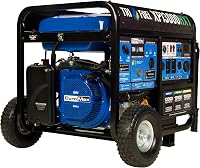
A generator parallel kit 240v should match two compatible inverter generators and the voltage, wattage, amperage and outlet setup your equipment needs. If you are still choosing a portable unit, compare 2000-watt portable generators.
Start with compatibility, because a higher amp rating cannot make an unsupported generator pair safe or useful. The generators must be approved to work together before you look at the kit label.
Parallel equipment links two generators so their output can serve a larger load. The kit may provide a 30-amp outlet, a 50-amp RV outlet or another connection, but the generators determine what the system can actually deliver.
That distinction matters in daily use. A bigger receptacle can fit a larger RV cord, yet it cannot create wattage that the paired units cannot supply.
Think about the load you want to run, not just the size of the plug. Add the running needs of each appliance, then allow extra room for motors that draw more power when they start.
An RV air conditioner, a fridge and a battery charger may seem simple on paper. Their combined starting demand can still push a small setup beyond what it can handle smoothly.
Also check whether your equipment needs 120 volts or a true 240-volt supply. The kit, the generators and the load all need to support the same arrangement.
If you are still comparing generator types, begin with this gas generator buying guide. It helps you settle the power source before you choose the connection hardware.
For a broader kit comparison, see the best inverter generator parallel kit guide. Use that comparison after you have narrowed the generator models you plan to pair.
Care also starts at buying stage. Confirm the cable reach, the outlet shapes and the grounding method for your setup.
A kit that fits the generators but not the RV inlet will not solve the problem.
Take time to read the manuals for both generators and the kit together. A short check now can prevent a poor fit, wasted money and an unsafe connection later.
Does a generator parallel kit 240v provide 240 volts?
A generator parallel kit only supports 240V use when the paired generators and the kit are designed for that voltage arrangement. Do not treat 50 amps, 6,000 watts or an RV outlet as proof of 240V output.
Many portable inverter generators provide 120V receptacles. For quieter model options, compare quiet inverter generators.
Some parallel kits combine output through 120V outlets, while other generator systems support a different configuration. The label on the kit alone will not tell you the whole story.
Read the generator manual, kit instructions and appliance requirements together. Look for clear wording about voltage, not just amp and watt figures.
Check these details before choosing:
- The generator models approved for pairing
- Whether the generators are 120V-only or support 120/240V operation
- The kit's output voltage
- The kit's continuous and peak wattage
- The amperage rating of each outlet
- Whether the connection is suitable for an RV, equipment or transfer switch
A 240V appliance needs the correct voltage from the complete generator system. Connecting a 240V load to a 120V-only arrangement can damage equipment or leave it unable to start.
Pay close attention to outlet names as well. A 50-amp RV outlet is still listed by its voltage, and that voltage must match your equipment.
When in doubt, stop and verify the exact models. Voltage mistakes are hard to undo once equipment is connected and powered.
How do you choose a generator parallel kit 240v?
Choose the kit in this order: generator compatibility, voltage, output, outlet type and cable reach. This order prevents you from buying a kit that has the right-looking receptacle but cannot work with your generators.
Check generator compatibility before the generator parallel kit 240v rating
The kit must be approved for the exact generator models you plan to connect. Some products are designed for two identical units from one brand, while others name a limited group of compatible models.
Do not mix generators simply because their wattage appears similar. The connection system, inverter design and parallel ports may differ.
The Champion kit below is made for two Champion ParaLINK-ready inverters rated at 2500 watts or higher. The Journeyman-Pro kit names compatible Honda models, including EU2200i, EU2200IC, EU1000i, EU2000i and EU3000i Handi models.
Compare Honda EU2200i models before choosing a pair.
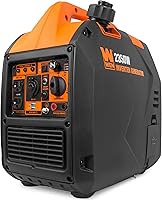
The WEN kit is for two WEN inverter generators.
Compare voltage and wattage separately
Voltage tells you what kind of electrical load the system can serve. Wattage tells you how much total power is available, while amperage describes the current limit of a connection.
For example, a 50-amp outlet does not mean every connected appliance can draw 50 amps continuously. The generators and the kit still have a total wattage limit.
Add the running wattage of the equipment you plan to use. Then account for starting demand from motors and compressors, such as RV air conditioners, pumps and power tools.
The combined system should have room above the expected load. A setup that only meets the running wattage may trip protection when an appliance starts.
Match the outlet to your equipment
A 50-amp RV outlet commonly uses a NEMA 14-50R connection. A 30-amp locking outlet may use a NEMA L5-30R connection.
Confirm the receptacle type before choosing a kit or adapter.
For a deeper comparison, read the guide to the best generator parallel kit 50 amp. If your planned connection uses a higher-current setup, compare it with this generator parallel kit 100 amp guide.
Which generator parallel kits fit different setups?
The 3 options below suit different compatibility and output needs. We compared their stated connections, ratings and generator requirements, then matched each one to a practical use.
WEN GNA50i 50-Amp 6000-Watt Parallel Connection Kit
The WEN kit suits users pairing two WEN inverter generators who need both a 50-amp 120V outlet and a 30-amp 120V locking outlet. It handles up to 50 amps and 6000 watts, with a reach of up to 7 feet.
Its NEMA 14-50R outlet can suit an RV connection that uses that receptacle, while the NEMA L5-30R outlet offers a separate 30-amp 120V connection. The kit increases the wattage available through the connected generator panels as well as through its own outlets.
Choose it when your generators are both WEN models and your setup benefits from the longer reach. Its 120V outlet ratings do not by themselves confirm support for a 240V load, so verify the complete generator system before connecting one.
Journeyman-Pro Inverter Generator Parallel Kit
The Journeyman-Pro kit suits users pairing two identical compatible inverter generators for RV, camping or trailer power. It is rated for 40 amps, 125 volts and 5000 watts, with a 6-foot cable.
The kit uses right-angle plugs, round banana-style connections and a separate grounding wire. A braided nylon sleeve covers the cables, and a neoprene pouch stores the kit between trips.
Its model-match rule is central to the buying decision. It is not a general-purpose cable for mixing generator brands or models, and the stated 125V rating does not guarantee 240V support.
Choose it for a compatible Honda model pairing where the main goal is more RV-ready output. Skip it if you need a 50-amp outlet or a confirmed 240V arrangement.
Champion 50A Parallel Kit for Linking Two
The Champion kit suits owners of two Champion ParaLINK-ready inverter generators rated at 2500 watts or higher. It provides a 120V 50A RV outlet and a 120V 30A locking outlet, with 30-amp and 50-amp circuit breakers.
Champion describes the kit as capable of linking two compatible inverters for enough power to start and run two 15,000 BTU RV air conditioners. That use depends on the connected generators and the total load, so check their individual output before planning around it.
The quick clip-on connection does not remove the need to follow the generator instructions. Its 120V outlet descriptions also mean you should verify the required voltage before using it for a 240V appliance.
For a model-specific check, read which parallel kit fits your Champion inverter generator.
Is a generator parallel kit 50 amp 240v right for an RV?
A generator parallel kit 50 amp 240v may suit an RV or equipment setup that needs a larger connection, but the outlet rating and voltage must match the entire system. A 50-amp RV receptacle can be useful even when the available output is 120V, so confirm what your RV inlet requires.
Start with the RV's inlet label and electrical manual. Then check the generator pair's voltage configuration, the kit's outlet type and the maximum combined wattage.
Air conditioners create a high starting load. Add their startup demand to refrigerators, battery chargers, lights and other devices before deciding whether two generators provide enough headroom.
Never use an adapter to change the plug shape without confirming that the voltage, grounding and current limits remain correct. The adapter cannot add wattage or change a 120V system into a 240V system.
If you need a connection between a portable generator and home circuits, compare the best generator transfer switch kit 50 amp options and follow local electrical requirements.
How should you connect and care for a parallel kit?
Connect a parallel kit only after reading the instructions for the exact generators and confirming both units are compatible. Keep both generators off during connection, use the required grounding method and inspect the plugs before starting the system.
A careful setup usually includes these steps:
- Place both generators on a stable outdoor surface with safe airflow.
- Confirm that the generators are the same approved model or listed compatible models.
- Check the cable, plugs, grounding wire and receptacles for damage.
- Connect the parallel plugs and ground connection while the generators are off.
- Attach the load only to the correct outlet for the equipment.
- Start the generators using the manufacturer's sequence.
- Watch for overload protection, unusual heat, damaged insulation or unstable output.
- Shut down the load and generators before disconnecting the kit.
Keep the cable away from standing water, hot exhaust and sharp edges. Coil it without tight bends, store it dry and keep the connectors clean.
Do not join generator outputs through improvised wiring. A transfer switch, RV inlet or other fixed connection should be installed and used according to its instructions and applicable electrical rules.
Should you choose a 50-amp or 30-amp parallel kit?
Choose a 50-amp kit when your compatible generator pair, RV inlet or equipment connection calls for a 50-amp receptacle. Choose a 30-amp kit when the load and inlet are designed for 30 amps and the smaller connection meets your power needs.
A 50-amp outlet gives you a different connection option, but it does not guarantee more generator capacity. The total wattage rating remains the key limit.
The WEN kit combines 50-amp and 30-amp 120V outlets and reaches up to 6000 watts. The Champion kit also combines 50-amp and 30-amp 120V outlets, while the Journeyman-Pro kit is rated for 40 amps and 5000 watts with a 30-amp RV cord.
Compare the exact outlet and voltage requirements instead of choosing only by the largest amp number. The right choice depends on the generators, the inlet and the load in front of you.
A 50-amp RV inlet is common on larger RVs that run two air conditioners and other heavy loads. A smaller trailer or a single air conditioner may not need that connection at all.
Using a 30-amp setup for a 30-amp inlet keeps the system simple and matched. Using a 50-amp kit for a 30-amp inlet adds no benefit if the RV cannot use the extra connection.
Look at both outlets on dual-outlet kits with care. One outlet may suit the RV cord, while the other may suit a locking connection for other gear.
Check the voltage listed for each outlet, not just the amp number. A 50-amp 120V outlet and a 50-amp arrangement for other voltage needs are not the same thing.
Also weigh cable reach and storage. A longer, heavier kit may be harder to coil and carry, while a compact cord may suit close placement between generators.
Think about future loads too, but do not buy capacity you cannot use. A kit should fit the generators you own and the equipment you will actually connect.
Set up the pair on level ground and keep cords clear of walkways and water. Inspect plugs and insulation before each use, and store the kit dry when it is not needed.
Make the final call by matching three things in order. Confirm generator compatibility first, then voltage, then the outlet shape that fits your load.
What is the final rule for choosing a 240V generator parallel kit?
Choose a generator parallel kit 240v only after confirming that both generators, the kit and the connected load support the same voltage arrangement. Pick the WEN kit for two WEN generators and a 6000-watt, dual-outlet setup, the Journeyman-Pro kit for its named compatible model pairings, or the Champion kit for two ParaLINK-ready Champion inverters rated at 2500 watts or higher.
If your real need is a 120V RV connection, compare the outlet and wattage ratings directly. A 120V RV setup can be a sound choice when the inlet and loads match it.
Do not force a 240V appliance onto a 120V-only system. The generators, kit and appliance must all support the same voltage arrangement before you connect them.
Start with the exact generator models you own or plan to buy. Compatibility comes first, because a kit cannot make two unsupported units work together safely.
Then check the kit voltage and each outlet voltage in plain terms. Amp ratings describe current limits, while watt ratings describe total power, and neither replaces a voltage check.
Look at the RV inlet or equipment label next. The plug shape you need should come from the load, not from the largest number on a kit box.
Consider starting demand from air conditioners, pumps and compressors. A system that looks close on running watts may struggle when a motor starts.
Choose the WEN option when both units are WEN and the dual 120V outlets fit your plan. Its longer reach can help when the generators need more space between them.
Choose the Journeyman-Pro option only for its named compatible pairings and a 30-amp RV use. Its model-match rule is strict, so mixed models are not a safe shortcut.
Choose the Champion option when both inverters are ParaLINK-ready and rated at 2500 watts or higher. The clip-on design and circuit breakers suit that specific pairing, not any two generators.
For setup, keep both units off while you connect plugs and grounding. Inspect the cable, keep connections clean and dry, and follow the maker sequence for starting.
If your need is a solar-based emergency setup, read how to use a solar generator for survival kit and how to choose between solar generator and inverter generator before buying fuel-generator parallel equipment. That comparison can save you from buying the wrong type of power for the job.
Frequently asked questions
Can a generator parallel kit produce 240 volts?
A generator parallel kit does not automatically create 240 volts. The paired generators, their connection system and the kit must support the required voltage and output arrangement.
Check the generator manuals and the kit's approved compatibility before connecting equipment or a transfer switch.
What size generator parallel kit do I need for an RV?
Choose the kit by the RV outlet and combined load you need, then match it to two compatible inverter generators. A 50-amp RV connection may suit larger loads, but the kit's voltage and wattage limits still apply.
Add the starting needs of air conditioners and other appliances.
Can I parallel two different generator brands?
Do not assume different brands can be paired. Parallel systems usually require matching models or a specifically approved compatibility list.
Using different generators can create low voltage or an unsafe connection, so verify the exact generator models before buying a cable or kit.
Is a 50-amp generator parallel kit the same as a 240V kit?
No. A 50-amp rating describes current capacity and an outlet connection, while 240V describes voltage.
A generator parallel kit 50 amp 240v must support both requirements through the paired generators and its connection design.
Check each rating separately.