Fuel Generators: The Complete Buying Guide
The right gas generator matches your running watts, starting watts, fuel needs and safe operating location. Choose an inverter model for cleaner power and lower noise, or a larger conventional fuel generator when you need more output for essential loads.
On this page (19 sections)
- How does a gas generator work?
- What size gas generator do you need?
- What is the difference between running watts and starting watts?
- Inverter generator or conventional gas generator?
- How quiet should a gas generator be?
- Is a dual fuel gas generator worth it?
- Gasoline, propane or a conversion kit?
- Which gas generator suits RV use?
- Should you choose a portable or whole-house generator?
- How do you connect a gas generator to a home?
- What safety features matter most?
- What are parallel kits used for?
- How do you start and stop a gas generator?
- What maintenance does a gas generator need?
- Gas generator or solar generator for emergencies?
- What accessories should you buy?
- How do the four products compare?
- Explore fuel generators by topic
- Final gas generator buying decision
A gas generator is the right choice when you need portable fuel-powered electricity for outages, camping, tools, events or an RV. The best model depends on the devices you will run, the starting surge they need, how much noise you can accept and where you can operate the unit safely.
Gasoline generators are common because fuel is widely available and easy to pour into a tank. Dual fuel models add propane, while inverter generators focus on cleaner power, lower noise and better efficiency at lighter loads.
This guide explains the main decisions in plain terms. It also compares four products that cover small electronics, larger portable loads, RV use and battery-based backup.
How does a gas generator work?
A gas generator burns fuel in an engine, then uses that engine to turn an alternator that produces electricity. The control panel sends that electricity through outlets for appliances, tools, chargers and other compatible devices.
A portable gas generator has several parts that affect daily use:
- The engine determines how the unit produces power.
- The fuel tank affects runtime and refueling frequency.
- The alternator produces the electrical output.
- The control panel holds outlets, switches and displays.
- Safety systems may monitor oil level or carbon monoxide.
- Wheels and handles affect how easily you can move it.
A generator does not create unlimited electricity. Its wattage rating is a limit, so your device list must stay below the unit's usable running output.
What size gas generator do you need?
Choose a gas generator by adding the running watts of the devices you need together, then leave room for starting watts. Motors in refrigerators, pumps, fans, compressors and power tools can briefly need more power when they start.
Start with a written load list. Include only the items you expect to run at the same time, such as:
- Refrigerator
- Internet router
- Lights
- Phone and laptop chargers
- Television
- Sump pump
- Small microwave
- Power tools
- RV appliances
Running watts keep a device operating. Starting watts cover the short surge when a motor begins.
If a refrigerator needs 800 running watts and 2,000 starting watts, a generator must handle the starting surge while also powering anything else connected at that moment.
Do not assume the largest number in a product name is the continuous output. A generator may advertise peak or surge watts above its rated running watts.
For smaller loads, compare our guide to the best small inverter generator. If your list needs more output, review the best 3000 watt portable generator and the best 4000 watt portable generator options.
What is the difference between running watts and starting watts?
Running watts are the power a generator can supply continuously, while starting watts are the short-term power available for motor startup. Both numbers matter when you connect appliances with compressors or electric motors.
A generator with 4,000 starting watts and 3,000 running watts may start a refrigerator or pump, but you still need to keep the ongoing load within 3,000 watts. Connecting several devices that total more than the running rating can overload the generator even if they start successfully.
Use the highest starting demand in your planned load list. You do not add every starting watt together unless multiple motors will start at the same time.
A simple load plan is safer than trial and error. Turn on large loads one at a time and avoid adding a second motor when the generator is already close to its running limit.
Inverter generator or conventional gas generator?
An inverter generator is usually the better fit for electronics, camping, tailgating and quiet neighborhoods. It converts engine output into direct current and then inverts it into stable alternating current, which can reduce voltage changes and total harmonic distortion.
A conventional generator can make sense when high output matters more than compact size or low noise. The trade-off is often greater sound, more fuel use at light loads and less refined power delivery.
Read our explanation of what is a portable inverter generator before deciding. It covers the basic design and why inverter technology is common in smaller portable units.
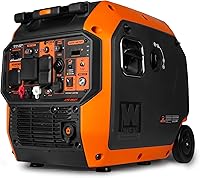
The WEN model below is an example of a small gasoline inverter generator. Its title identifies it as a 2350-watt portable inverter generator with fuel shutoff, gasoline power and an ultra-lightweight design.
The WEN produces 2350 surge watts and 1900 rated watts. It has two 120V receptacles, one 12V DC receptacle and two 5V USB ports, so it can suit a mixed charging setup.
Its fuel shutoff uses remaining fuel in the carburetor before shutdown. That feature can help reduce stale-fuel buildup during storage, but you still need to follow the maintenance schedule and storage instructions.
The 39-pound weight favors camping, tailgating and short moves around a property. Its output is less suited to running several high-wattage appliances together.
How quiet should a gas generator be?
Generator noise depends on engine speed, load and distance. A model rated at a lower decibel level from 23 ft may be easier to live with at a campsite or near a home, but the sound can rise as the load increases.
Quiet operation matters most when you will use the generator near people, neighbors, an RV or a sleeping area. Check the stated test distance and load condition instead of comparing numbers without context.
For a smaller quiet unit, see the best quiet 2000 watt generator. Larger loads may call for the best quiet 3000 watt generator or the best quiet 4000 watt generator.
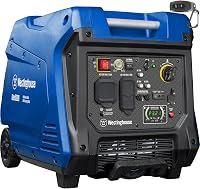
The Aceup Energy model is a gasoline inverter generator with a 149cc 4-stroke OHV engine, 4000 peak watts and 3200 rated watts.
Aceup Energy describes its unit as about 60 dB in Eco mode at 23 ft with a 25% load. Its intelligent gauge tracks voltage, runtime, gasoline level, hertz and power output, and it has a low-oil LED and economy mode.
The control panel includes a 120V 20A outlet, an RV receptacle and a 12V DC car charger outlet. For compatible two-generator setups, see 240V generator parallel kits.
It is parallel ready, so two generators can be connected with a separately sold parallel kit.
Its 48-pound weight is manageable for a 4000-watt class unit, but it still needs a clear outdoor operating area and safe storage location.
Is a dual fuel gas generator worth it?
A dual fuel generator gives you gasoline and propane as fuel choices. Compare the trade-offs in propane versus gas generators.
Gasoline is convenient when you need to refill quickly, while propane can be useful for storage and planned emergency supplies.
The output and runtime can change between fuel types. Check both figures before choosing, especially if you expect to run an RV air conditioner, refrigerator or other motor load.
The Champion model below runs on gasoline or propane and includes a propane hose, engine oil and an oil funnel.
The Champion produces 4000 starting watts and 3000 running watts on gasoline. On propane, it produces 4000 starting watts and 2700 running watts.
Champion gives a gasoline runtime of up to 10 hours and a propane runtime of up to 25 hours at a 25% load. These figures describe light-load operation, so your actual runtime depends on connected devices and conditions.
The unit includes a 120V 25A TT-30R outlet, a 120V 20A household duplex outlet, a 12V automotive-style outlet and parallel outlets. Its CO Shield system provides carbon monoxide auto shutoff, and its stated noise level is 64 dBA from 23 ft.
For similar choices, compare the best dual fuel 4000 watt generator. If you want a model that can use three fuel types, see the best tri fuel generator.
Gasoline, propane or a conversion kit?
Gasoline is built into the fuel system of the gasoline models in this guide. For Honda-specific fuel options, read Honda dual-fuel generator guidance.
Propane requires a dual fuel design or a compatible conversion system.
A conversion kit may let you use propane with a gasoline generator, but compatibility depends on the engine and kit. Check the generator model, fuel system and installation instructions before buying.
Our guide to 2000 watt generator propane explains the main decision for smaller units. For retrofitting a gasoline model, compare the best gas generator propane conversion kit options.
A conversion kit can add flexibility, but it also adds another part to install, inspect and store. A factory dual fuel generator may be simpler if propane is part of your emergency plan from the start.
Which gas generator suits RV use?
An RV-ready generator needs an outlet and output that match the RV connection and the appliances you plan to run. The most useful details are the RV receptacle type, running watts, starting watts, noise and fuel runtime.
A 4000-watt model may offer more room for an air conditioner and other RV loads than a compact 2000-watt model. It may also weigh more and use more fuel when operated near its limit.
Review our best RV ready generator guide for models aimed at camping and road travel. The Champion's 120V 25A TT-30R outlet makes it the clearest RV-focused choice among the products here.
Do not assume an RV-ready label means every appliance can run together. Add the starting and running requirements of the air conditioner, refrigerator, microwave and chargers before connecting them.
Should you choose a portable or whole-house generator?
A portable generator suits selected essential loads, while a whole-house generator is designed for a permanently installed backup system. The right choice depends on how many circuits you need and whether you want manual setup during an outage.
Portable units can be moved, stored and used for camping or work. They often need refueling, extension cords and manual connection steps.
A whole-house system may start automatically and connect through a dedicated transfer system, but installation and site requirements are more demanding. It is not the same category as carrying a portable generator to a campsite.
Read portable generator vs whole house before deciding. The comparison explains why a portable unit can be a better fit for occasional outages, while a permanently installed system may suit frequent long outages and larger household loads.
How do you connect a gas generator to a home?
Connect a portable generator to selected circuits through a properly installed transfer switch, or use suitable outdoor-rated extension cords for individual devices. Never connect a generator directly to a wall outlet because backfeeding can endanger utility workers and damage equipment.
A transfer switch separates generator power from utility power. It also lets you route electricity to selected household circuits instead of running cords through the home.
Follow our guide on how to use transfer switch with generator, then have a qualified electrician install or inspect the system. The generator itself must remain outdoors while the transfer equipment stays installed according to local requirements.
For individual devices, choose a cord rated for the generator's output and outdoor use. Our best generator extension cord guide covers the features to compare.
What safety features matter most?
The most important safety decision is where and how you run the generator. Carbon monoxide can build up quickly in enclosed or partly enclosed spaces, even when a door or window is open.
Use these basic rules:
- Run the generator outdoors only.
- Keep it away from doors, windows and vents.
- Point exhaust away from the home, RV or occupied area.
- Keep the unit dry and protected from rain.
- Let the engine cool before refueling.
- Store gasoline in an approved container.
- Keep fuel away from heat, sparks and flames.
- Use a carbon monoxide alarm in occupied spaces.
- Follow the manual's grounding and connection guidance.
- Do not overload the generator.
A carbon monoxide shutoff adds protection, but it does not make indoor operation safe. The Champion's CO Shield system is a useful feature, yet placement and ventilation remain your responsibility.
What are parallel kits used for?
A parallel kit connects two compatible inverter generators so they can share power. This can give you more output when one compact unit is not enough, while preserving the option to run one generator for lighter loads.
Compatibility matters. The generators must support parallel operation and use the correct kit.
See the best inverter generator parallel kit guide before ordering. The Aceup Energy and Champion models described here support parallel use, but the required kit is separate.
A parallel setup also means two engines, two fuel systems and more equipment to store. It can be useful when portability matters more than buying one larger generator.
How do you start and stop a gas generator?
Start the generator outdoors on a stable, dry surface. Turn off unnecessary loads first, check the fuel and oil requirements, then follow the model's start procedure.
Recoil start uses a pull cord. Electric start uses a battery and starter system when the model includes it.
The products in this guide use recoil start, so compare our guides to the best electric start generator and 3000 watt generator with electric start if pull-start effort is a concern.
A proper shutdown protects the engine and connected devices. Turn off or disconnect loads, let the generator run without heavy loads if the manual directs it, then use the stop control.
Fuel shutoff is useful for storage because it can allow the carburetor to use remaining fuel before the engine stops. The WEN specifically includes fuel shutoff as part of its design.
What maintenance does a gas generator need?
Gas generator care usually includes checking oil, inspecting cables and outlets, keeping the air filter clean and using fresh fuel. Follow the maintenance intervals for the exact model.
Before storage, remove or stabilize fuel according to the manual. Run the fuel system as directed, protect the generator from moisture and keep it where children cannot access it.
Do not store a running or recently hot generator in a closed shed. Let it cool outdoors before moving it into a suitable storage area.
A cover can protect a stored generator from dust and moisture, but it must not be used to enclose a running machine. Compare the best generator covers heavy duty waterproof for storage protection.
Replacement filters, spark plugs and other service parts should match the model. Our best gas generator parts guide can help you plan a basic maintenance kit.
Gas generator or solar generator for emergencies?
A gas generator can run as long as you have fuel, while a solar generator or power station stores energy in a battery and can recharge from AC power, a vehicle or solar equipment. Gas models suit longer, higher-output use, while battery units are quiet and produce no exhaust during operation.
Read Which Is Better Solar Generator Or Gas Generator? for a direct comparison. For storm planning, our guide asks Is a Solar Generator Better Than a Gas Generator for Hurricanes? and explains the trade-offs.
The BLUETTI Elite 30 V2 is a battery-based alternative rather than a gas generator.
The BLUETTI weighs 9.5 pounds and provides 600 watts of output with 1500 watts of surge power. Its 288Wh capacity suits smaller devices and short backup needs rather than sustained high-wattage loads.
It supports AC, car, lead-acid battery and solar charging methods, with an optional compatible charging setup for some solar panels. The unit also has a 10ms UPS function for devices such as laptops, routers and CPAP machines.
Choose it when quiet operation, indoor emergency backup and easy carrying matter more than long-duration high output. Choose a gas generator when you need to keep running loads beyond the battery's stored capacity and can operate fuel equipment safely outdoors.
What accessories should you buy?
The right accessories depend on how you plan to use the generator. Start with the connection, storage and maintenance items that match your load plan.
Useful categories include:
- Outdoor-rated extension cord
- Transfer switch
- Parallel kit
- Fuel container
- Generator cover
- Maintenance parts
- Wheel or handle accessories
- RV connection equipment
- Carbon monoxide alarms
For a small inverter generator, the best honda eu2200i accessories guide is still useful for understanding the accessory types that matter around compact inverter units, even if you choose another brand.
Do not buy an accessory only because it fits the wattage label. Confirm the plug type, amperage, voltage and generator compatibility first.
How do the four products compare?
The WEN is the lightest fuel generator here at 39 pounds and offers 2350 surge watts with 1900 rated watts. It fits lighter loads, electronics and buyers who need easier carrying.
The Aceup Energy provides 4000 peak watts and 3200 rated watts in a 48-pound gasoline inverter generator. Its digital gauge and RV receptacle suit buyers who want more output and more operating information.
The Champion provides 4000 starting watts and 3000 running watts, with gasoline and propane operation. It is the strongest match here for RV use and fuel flexibility.
The BLUETTI is not a gas generator. Its 288Wh battery, 600W continuous output and 9.5-pound weight make it a quiet backup option for smaller loads, but it cannot replace a fuel generator for long high-output operation without recharging.
Explore fuel generators by topic
- Best 2000-Watt Portable Generators
- Can You Get a 2000-Watt Generator with Electric Start?
- Best Portable Gas Generators
- Best Dual Fuel Inverter Generators
Final gas generator buying decision
Choose the WEN if low weight, clean inverter power and lighter loads are your priority. Choose the Aceup Energy if you need a gasoline inverter generator with 4000 peak watts, 3200 rated watts and a digital gauge.
Choose the Champion if you want gasoline and propane flexibility, an RV outlet and carbon monoxide auto shutoff. Choose the BLUETTI if you need quiet battery backup for smaller devices and do not want engine exhaust during use.
Before buying, write down your running watts, starting watts, fuel plan, operating location and storage space. Then confirm the outlets, sound level, runtime conditions and safety instructions for the exact model you choose.
Frequently asked questions
What size gas generator do I need?
Choose a gas generator by adding the running watts of the devices you need at the same time, then allow extra capacity for motors and compressors that need starting watts. A small inverter generator can suit electronics and light loads, while a 3000 to 4000-watt model gives more room for refrigerators, tools or RV appliances.
Are gas generators safe to use indoors?
No. Never run a gas generator inside a home, garage, basement, shed or other enclosed space because its exhaust can contain carbon monoxide.
Place it outdoors, away from doors, windows and vents, and follow the generator manual and local safety guidance.
Is an inverter generator better than a regular gas generator?
An inverter generator is often better for sensitive electronics, camping and quieter spaces because it produces cleaner power and can reduce engine speed at lighter loads. A conventional generator may suit buyers who need high output at a lower purchase cost, but compare noise, fuel use, portability and power quality.
Should I buy a dual fuel gas generator?
A dual fuel gas generator can be useful when you want gasoline for easy refueling and propane for longer storage or a different fuel option. Compare the running watts, runtime, fuel-change process, included hose and outlet layout before choosing, because output and runtime can change between gasoline and propane.
Can a portable generator power a whole house?
A portable generator can power selected household circuits when its output is large enough and it is connected through a properly installed transfer switch. It usually cannot power every home load at once.
List essential circuits first, then have a qualified electrician handle the connection.