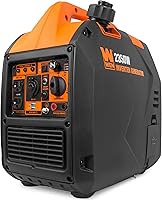
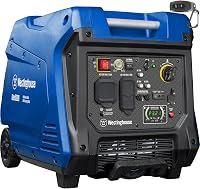
6 Best Electric Start Generators (November 2026)
The best electric start generators include the Westinghouse 5000 Peak Watt Super Quiet Portable for quiet RV backup, the WEN 6800-Watt Dual Fuel RV-Ready Electric Start for dual-fuel RV power, and the WEN for transfer-switch flexibility.
On this page (4 sections)
The best electric start generator for most RV and light home-backup users is the Westinghouse 5000 Peak Watt Super Quiet Portable. It combines 3900 rated watts, a 30A RV outlet, remote start and a stated noise output as low as 52 dBA.
The right choice changes with your load. Pick the WEN 6800-Watt model for dual-fuel RV power, the Westinghouse 12500 Watt model for larger household loads, or Generac when natural gas is part of your backup plan.
If you're new to this category, start with what is an electric start generator to understand the battery, starter and recoil backup. For broader fuel planning, our fuel generators complete buying guide explains the main trade-offs.
Our picks at a glance
-
1
 Best for quiet RV backup
Westinghouse 5000 Peak Watt Super Quiet Portable
9.7/10 our score
See it on Amazon -
2
 Best for dual-fuel RV power
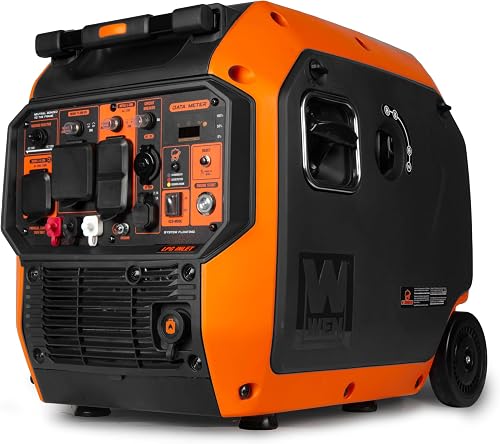
WEN 6800-Watt Dual Fuel RV-Ready Electric Start
9.7/10 our score
See it on Amazon -
3

- 4
 Check it
Westinghouse 12500 Watt Dual Fuel Home Backup
Best for major home loads - 5
 Check it
LIFAN 4800W Gas Inverter Generator
Best for lighter RV transport - 6
 Best for three-fuel backupCheck it
The best electric start generators for different uses
The best electric start generator depends on your running-watt need, fuel preference, outlet plan and transport limits. The picks below are ordered by score, with the highest-scoring options first.
Our score weighs specs, features and buyer feedback against what you're shopping for. We checked the stated output, starting methods, fuel choices, outlets, safety features, runtime information and portability details.
| Product | Best for | Output | Fuel | RV outlet | Our score |
|---|---|---|---|---|---|
| Westinghouse 5000 Peak Watt Super Quiet Portable | quiet RV backup | 5000 peak watts, 3900 rated watts | Gasoline | TT-30R 30A | 9.7 |
| WEN 6800-Watt Dual Fuel RV-Ready Electric Start | dual-fuel RV power | 6800 surge watts, 5100 rated watts on gasoline | Gasoline or propane | TT-30R | 9.7 |
| WEN | transfer-switch flexibility | 4750 surge watts, 3800 running watts on gasoline | Gasoline or propane | 9.6 | |
| Westinghouse 12500 Watt Dual Fuel Home Backup | major home loads | 12500 peak watts, 9500 running watts on gasoline | Gasoline or propane | 9.5 | |
| LIFAN 4800W Gas Inverter Generator | lighter RV transport | 4800 peak watts, 3800 running watts | Gasoline | 9.1 | |
| Generac | three-fuel backup | 12500 starting watts, 9500 running watts | Gasoline, propane or natural gas | 8.8 |
Westinghouse 5000 Peak Watt Super Quiet Portable: Best for quiet RV backup
- 5000 peak watts and 3900 rated watts
- Remote, electric and recoil start
- 52 dBA noise output
- Up to 18-hour runtime
A quiet inverter generator with remote electric start, an RV-ready outlet, and up to 18 hours of runtime on a 3.4-gallon tank.
Pros
- Quiet 52 dBA operation
- Remote key fob included
- RV-ready TT-30R outlet
Cons
- Gasoline only
- 104.7 lb weight
The Westinghouse 5000 Peak Watt Super Quiet Portable is the strongest all-around pick for an RV owner who wants simple starting and clean inverter power. It produces 5000 peak watts and 3900 rated watts, with less than 3% THD.
The electric start includes a remote key fob, and recoil start provides another starting method. The 3.4-gallon gasoline tank can run for up to 18 hours, while Economy Mode adjusts engine speed for fuel efficiency.
For travel trailers, the TT-30R 30A outlet is the key detail. Two household outlets and two USB outlets add charging options, while the rotating LED display shows fuel level, power output, remaining runtime, voltage and lifetime hours.
At 104.7 lb, this isn't the lightest pick. The telescoping handle and wheel kit make movement easier, but measure your storage space before choosing it for frequent loading and unloading.
Choose it for quiet RV trips, camping or lighter home backup. The gasoline-only design is less flexible than the dual-fuel and tri-fuel models below.
WEN 6800-Watt Dual Fuel RV-Ready Electric Start: Best for dual-fuel RV power
- 6800 gasoline surge watts
- 5100 gasoline rated watts
- Gasoline and propane operation
- CO Watchdog shutdown sensor
This dual-fuel inverter generator gives RV users more fuel choice and higher gasoline output, with electric start and carbon monoxide shutdown protection.
Pros
- Gasoline and propane flexibility
- 240V configuration
- Fuel shutoff feature
Cons
- 99.2 lb weight
- Lower propane output than gasoline
The WEN 6800-Watt Dual Fuel RV-Ready Electric Start is the best match for buyers who want inverter power and two fuel choices. On gasoline, it delivers 6800 surge watts and 5100 rated watts.
On propane, it produces 6000 surge watts and 4500 rated watts.
Its electric start uses a keyless button, and recoil start remains available as a backup. The WEN Watchdog CO Shutdown Sensor automatically turns the generator off if it detects dangerous carbon monoxide levels.
The bonded-neutral 240V configuration provides low-power Level 2 charging for battery and hybrid electric vehicles. Its panel also includes an L14-30R 120V/240V receptacle, two 120V receptacles, a TT-30R RV outlet, a 12V DC receptacle and two 5V USB ports.
Fuel shutoff uses remaining carburetor fuel before shutdown, which can help limit stagnant fuel inside the carburetor. At 99.2 lb, it is still a substantial portable unit, but its wheels and telescoping handle support RV and camping use.
Pick this model when propane access matters or when gasoline output above 5000 watts gives you useful headroom. For a quieter, lighter gasoline-only option, compare the LIFAN below.
WEN: Best for transfer-switch flexibility
- 4750 gasoline surge watts
- 3800 gasoline running watts
- 120V/240V selection
- Up to 11 hours at half load
The WEN DF475T combines electric start, dual-fuel operation and 120V/240V selection for emergency backup and commercial use.
Pros
- Dual-fuel operation
- 120V/240V selector
- Wheel and handle kit
Cons
- 105.8 lb weight
- Lower output on propane
The WEN DF475T suits emergency backup and commercial use where 120V/240V selection matters. It produces 4750 surge watts and 3800 running watts on gasoline, or 4350 surge watts and 3500 running watts on propane.
A turn-key electric start powers its 224cc 4-stroke OHV engine. The 4-gallon tank provides up to 11 hours of half-load runtime, while the wheel and handle kit helps with storage and positioning.
The control panel includes two 120V GFCI outlets, an L14-30R 120V/240V twist-lock outlet and a 12V DC plug. The included 47-inch LPG connection hose supports propane setup.
This model is a practical middle ground. It offers dual-fuel flexibility and transfer-switch readiness without the much higher output and larger footprint of the Westinghouse 12500 Watt model.
Choose it when you need a basic electric start generator for backup loads, tools or commercial use. Its 105.8 lb weight and open-frame design make it less appealing for quiet campground use.
Westinghouse 12500 Watt Dual Fuel Home Backup: Best for major home loads
- 12500 gasoline peak watts
- 9500 gasoline running watts
- Remote electric start
- Transfer-switch-ready outlets
A large dual-fuel generator for home backup, with 120/240V outlets, remote start, and up to 12 hours of runtime on gasoline.
Pros
- High home-backup output
- 50A RV-ready outlet
- Remote key fob included
Cons
- Large 27.2 x 26.1 x 26.5 in footprint
- Heavy-duty format is less suited to casual camping
The Westinghouse 12500 Watt Dual Fuel Home Backup is the right choice for major household loads. It delivers 9500 running watts and 12500 peak watts on gasoline, or 8500 running watts and 11200 peak watts on propane.
Remote start with the included key fob adds convenience, and electric and recoil starting provide backup methods. The 6.6-gallon tank can run for up to 12 hours, with a fuel gauge for quick checks.
The outlet layout supports home and RV use. For guidance on safely routing power into a home, read generator extension cords into a house.
It has two 120V GFCI household outlets, a transfer-switch-ready L14-30R outlet and a 120/240V 14-50R 50A outlet.
Its 457cc 4-stroke OHV engine includes automatic low-oil shutdown and a digital hour meter. The VFT display shows voltage output, frequency and lifetime hours.
At 27.2 x 26.1 x 26.5 inches, this is a large machine. Choose it when household output matters more than compact storage, and plan a safe outdoor operating location before an outage.
LIFAN 4800W Gas Inverter Generator: Best for lighter RV transport
- 4800 peak watts and 3800 running watts
- 58 dB operation
- Remote and push-button electric start
- CO-MINDER and low-oil shutoff
The LIFAN pairs a 30A RV-ready outlet with a 66.1 lb suitcase-style design, remote start, and quiet inverter operation.
Pros
- 66.1 lb weight
- 58 dB operation
- CO sensor and eco mode
Cons
- Gasoline only
- Lower output than the larger home models
The LIFAN 4800W Gas Inverter Generator is the best transport-friendly choice here. It produces 4800 starting watts and 3800 running watts, with a 30A RV-ready outlet and pure sine wave technology below 3% THD.
Remote start works from up to 50 feet with the included key fob, and push-button electric start gives you a second convenient option. Recoil start is also available.
The 2.64-gallon gasoline tank can provide up to 10 hours at 25% load. Smart Eco-Mode adjusts engine speed to the load, while the stated 58 dB operation suits campgrounds and residential areas where noise matters.
At 66.1 lb, it is much easier to roll and load than the larger open-frame picks. The telescopic handle and rugged wheels support suitcase-style movement.
CO-MINDER and low-oil shutoff add safety features, but placement still matters. For weather protection during operation, see generator covers for operation.
Operate any fuel generator outdoors and keep exhaust away from doors, windows and vents.
Choose it for RV trips, camping and lighter backup loads. Choose the Westinghouse 5000 model if you want more rated power and longer stated runtime.
Generac: Best for three-fuel backup
- 12500 gasoline starting watts
- 9500 running watts
- Gasoline, propane and natural gas
- COsense and electric start
Generac adds natural gas to the usual gasoline and propane choices, making this a strong option for extended home backup where a gas line is available.
Pros
- Three fuel choices
- Automatic voltage regulation
- 50A and 30A outlets
Cons
- 219 lb weight
- Large 27.5 x 27.1 x 27.6 in footprint
Generac is the best fit when you want gasoline, propane or natural gas as operating choices. Its 500cc engine delivers 9500 running watts and 12500 starting watts on gasoline.
The tri-fuel design matters most for long outages. The 7.5-gallon tank can run up to 9.5 hours at 50% load or 14 hours at 25% load on gasoline, while a natural gas line provides virtually unlimited runtime according to the product information.
Automatic voltage regulation helps stabilize output for connected equipment. COsense detects rising carbon monoxide levels and shuts the generator down before dangerous thresholds, and the electric start uses an included 12V battery.
The control panel has two 120V 20A GFCI duplex outlets, a 120/240V L14-30R outlet and a 120/240V 14-50R outlet. A digital hour meter helps track maintenance.
At 219 lb, this is the heaviest choice here. It suits a prepared home-backup location better than regular camping transport, especially when you need the flexibility of a natural gas connection.
How do you choose an electric start generator?
Choose an electric start generator by matching rated watts to your continuous load, then checking surge capacity for appliances with motors. For options around this output, see 4000-watt portable generators.
Starting convenience is useful, but the fuel system, outlet layout and operating location determine whether the generator fits your plan.
What does electric start change?
Electric start replaces manual pull starting with a button, key or remote. The generator still needs a charged starting battery and correct fuel, so electric start improves convenience rather than removing maintenance.
A recoil backup can be useful if the battery is low. The Westinghouse 5000, WEN 6800-Watt and LIFAN models include more than one starting method.
For battery care and replacement planning, see the guide to the best electric start generator battery.
How much wattage do you need?
Add the running watts of the devices you expect to use together, then allow for the starting surge of refrigerators, pumps, air conditioners and power tools. A generator's peak figure is not the same as its rated running output.
The LIFAN and Westinghouse 5000 models fit lighter RV and essential-load plans. The Westinghouse 12500 and Generac models provide much more headroom for home backup.
Don't connect a home through a transfer switch unless the installation is suitable and handled by a qualified electrician. An outlet rating alone doesn't tell you that a setup is safe.
Should you choose gasoline, propane or natural gas?
Gasoline often gives the highest stated output on dual-fuel models, while propane gives you another fuel option. Natural gas can support long home backup runtime when a suitable line is available, but only the Generac pick here offers all three fuel choices.
The WEN DF475T, WEN 6800-Watt model and Westinghouse 12500 model are dual-fuel choices. Read our guide to the best propane generator with electric start if propane is your main fuel plan.
For a closer look at the broader category, compare the best generator electric start kits when you already own a compatible generator and want to add starting convenience.
Do inverter generators work better for sensitive electronics?
An inverter generator can provide stable power for devices that are sensitive to voltage changes, but check the model's stated total harmonic distortion and output limits. The Westinghouse 5000 and LIFAN models state less than 3% THD, while the WEN 6800-Watt model states under 0.3% at no load and under 1.2% at full load.
The WEN DF475T and the large open-frame home models serve different priorities. They emphasize fuel choice, voltage selection and high output rather than the compact, quiet format of the inverter picks.
See the comparison of the best inverter generator with electric start if clean inverter output is your main concern.
Is remote start worth paying attention to?
Remote start is useful when you want to start or stop a compatible generator from a short distance. It can be especially practical for an RV or a generator placed outside during poor weather.
The Westinghouse 5000, Westinghouse 12500 and LIFAN models include remote start information. If remote operation is more important than electric start at the control panel, compare the best inverter generator remote start options and best remote start generator kit.
For quieter remote-start choices, see the best quiet remote start generator guide. Champion shoppers can also compare the best Champion inverter generator electric start and best Champion inverter generator with remote start roundups.
What should you check before using one?
Use a fuel generator outdoors, away from doors, windows and vents. Keep the generator dry, follow the manual's oil and battery instructions, and use the built-in carbon monoxide or low-oil systems as added protection rather than as a reason to place the unit indoors.
Check the outlet type before connecting an RV or home circuit. A TT-30R suits many travel trailers, while L14-30R and 14-50R outlets support different transfer-switch or high-load setups.
Fuel choice can affect output. Compare the gasoline and propane ratings for each dual-fuel model instead of using the gasoline figure for every situation.
For more fuel flexibility, see the best dual fuel generator with electric start and best inverter generator dual fuel electric start guides.
Electric start generator or portable power station?
A fuel generator suits long, high-wattage backup when you can run it outdoors and store fuel safely. It keeps working as long as fuel remains available, without waiting for a battery to recharge.
A portable power station suits quiet charging closer to your devices. Its power depends on stored battery capacity, and it needs time plugged in to recharge once that charge is used.
Start with placement. A generator belongs outside, away from doors, windows and vents, while a power station can often sit nearer the devices it charges.
Then list the devices you need to run together. Motor driven appliances can need a brief starting surge, so compare running output against your full load list.
Fuel power fits long outages and repeated high demand. You can refuel and keep essential equipment running through the night.
Battery power fits short jobs and sensitive electronics that need quiet operation. It is often easier to carry between rooms or to a campsite table.
Noise is a clear difference. Even a quiet inverter generator makes more sound than a battery unit with no engine running.
Runtime also works differently. Generator runtime depends on fuel use and engine load, while power station runtime depends on battery capacity and the draw from connected devices.
Weight and storage matter too. A power station may be simpler to lift and store, while a larger fuel generator may need wheels, a handle and clear space.
Fuel storage is the practical cost of a generator. Gasoline or propane must be stored safely, kept fresh and handled away from living spaces.
Recharging is the matching cost of a battery unit. You need a reliable way to recharge it before the next trip or outage.
For RV use, compare outlet shape as well as watts. A generator with a TT-30R outlet connects directly to many travel trailers, while a power station may need an adapter or a different charging plan.
For home backup, think about duration. Fuel power often fits multi hour use, while battery power often fits lights, phones and brief appliance use.
Read which is better solar generator or gas generator before choosing between fuel and battery based backup. That comparison can help you weigh stored fuel against stored charge.
For camping, compare is a portable power station better than a gas generator for camping on noise, runtime, weight and planned devices. Campground rules and neighbour distance can matter as much as the spec sheet.
Choose fuel power when outdoor placement is easy and long runtime matters. Choose battery power when quiet operation and cordless placement matter more.
Which electric start generator should you choose?
Choose the Westinghouse 5000 Peak Watt Super Quiet Portable for a quiet gasoline inverter generator with RV ready power and remote starting. It suits RV owners who want clean power for sensitive electronics without giving up electric start convenience.
Its 3900 rated watts and 5000 peak watts suit an air conditioner, refrigerator, lights and charging devices when loads are added up carefully. The TT-30R outlet makes it a natural match for many travel trailers.
Choose the WEN 6800-Watt model when propane access and higher gasoline output matter. It offers 5100 rated watts on gasoline and 4500 rated watts on propane, so fuel choice changes the load you can plan for.
The WEN also suits buyers who want a 120V/240V outlet for low power Level 2 charging of a battery or hybrid vehicle. Its fuel shutoff and CO Watchdog add useful detail for RV and backup use.
For home loads, the Westinghouse 12500 Watt model offers strong dual fuel output. It delivers 9500 running watts on gasoline and 8500 running watts on propane for larger appliances and transfer switch planning.
That model is better placed in a prepared outdoor location than carried between campsites. Its size and output make sense when household essentials matter more than compact storage.
Generac adds natural gas flexibility for longer home backup. The tri fuel choice can support extended runtime where a suitable gas line is already available.
Automatic voltage regulation and COsense make it a serious option for motor driven loads. Its 219 lb weight means transport should be planned before purchase.
Choose the LIFAN when lower weight matters most. At 66.1 lb, it is easier to roll and load for RV trips and camping than the larger home models.
Its 3800 running watts and 30A RV ready outlet still cover a solid set of essentials. Remote start, quiet operation and low oil shutoff add convenience for outdoor use.
Choose the WEN DF475T when you need 120V/240V selection in a mid size dual fuel format. It fits emergency backup, tools and commercial use where transfer switch readiness matters.
Compare gasoline and propane output before you commit to a load plan. Propane usually gives lower watts on the dual fuel models here, even though it adds fuel flexibility.
If remote operation is your deciding feature, compare the best dual fuel generator with remote start guide before choosing a final model. Match the starting method to your parking spot, storage layout and likely weather.
Before ordering, check outlet type, rated watts, fuel, weight and dimensions against your setup. A short check now can prevent a poor fit for your RV, home or campsite.
Our top 3 picks at a glance
-
1
Best for quiet RV backup
Westinghouse 5000 Peak Watt Super Quiet Portable
9.7/10 our score
See it on Amazon -
2
Best for dual-fuel RV power
WEN 6800-Watt Dual Fuel RV-Ready Electric Start
9.7/10 our score
See it on Amazon -
3
Frequently asked questions
What is the best electric start generator for most people?
The Westinghouse 5000 Peak Watt Super Quiet Portable is the best fit for many RV and home users because it combines 3900 rated watts, a 30A RV outlet, remote electric start and quiet inverter operation.
Choose a larger dual-fuel or tri-fuel model when your home loads need more running watts.
Is an electric start generator better than a pull-start generator?
An electric start generator saves effort because you start it with a button, key or remote instead of pulling a recoil cord. It still helps to choose a model with recoil backup, keep the starting battery charged and follow the maintenance instructions.
Electric start adds convenience, but it does not replace safe outdoor placement and carbon monoxide precautions.
What size electric start generator do I need for home backup?
Match the generator's rated watts to the appliances you need to run at the same time, then allow for motor starting surges. The Westinghouse 12500 Watt Dual Fuel Home Backup and Generac models offer 9500 running watts on gasoline, while smaller inverter models suit lighter loads.
Have a qualified electrician handle transfer-switch connections.
Are dual-fuel electric start generators worth it?
Dual-fuel electric start generators can be useful when gasoline availability is uncertain or you already store propane. Gasoline usually provides the higher output on the WEN and Westinghouse dual-fuel models here, while propane gives you another operating option.
Compare output on each fuel before planning your load.
What battery does an electric start generator use?
The correct battery depends on the generator model and its electrical requirements. Check the manual and model information before replacing it, then read our guide to the best electric start generator battery for replacement-planning tips.
Keep terminals clean and charge the battery as directed.