Propane Generator vs Gas Generator: Which Should You Choose? (November 2026)
Choose gasoline for easier refueling and higher output, or propane for cleaner storage and longer emergency readiness. A dual-fuel generator gives you both options when flexibility matters most.
On this page (9 sections)
- Propane generator vs gas generator: which fuel is better?
- How do gasoline and propane storage compare?
- Which fuel gives more generator output?
- Which fuel gives longer runtime?
- Is propane or gasoline easier to use during an outage?
- Which generator should you choose?
- Can a dual-fuel generator use natural gas too?
- Is a propane generator better than a solar generator?
- Final decision: propane generator vs gas generator
Choose gasoline for easy refueling and stronger output, or propane for simpler long-term storage and emergency readiness. The best choice depends on how often you use the unit, what you need to power and how you store fuel.
If you use a generator often for camping, work or weekend events, gasoline can feel more direct. You can refill it from a suitable container and restart it without waiting for a special connection.
That ease matters during a long outage. It also matters when you need the higher output gasoline provides on some dual-fuel models.
Propane suits occasional use. It can sit ready for an emergency without the same concern about fuel sitting in a tank for months.
You still need safe cylinder storage and a clear plan for connecting them. The benefit is readiness, not freedom from all maintenance.
A dual-fuel generator lets you match the fuel to the job. You can run gasoline for output or quick refueling, and switch to propane when stored fuel is ready for an emergency.
That flexibility adds hoses, fittings and fuel choices to manage. It is worth it when both frequent use and stored backup apply to you.
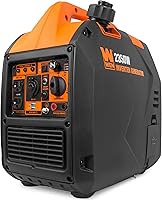
For the WEN Super Quiet 2350-Watt Portable Inverter Generator, gasoline keeps the setup light and simple. Its 39 lb weight and 1900 rated watts suit camping, tailgating and light backup where easy carrying matters.
Think about where fuel will live between uses and how you will reach it during an outage. A small home store may favour propane, while regular travel may favour gasoline.
Also check the output figures for both fuels if a model offers them. A generator that looks strong on gasoline may give less power on propane, which can affect which appliances you can run at the same time.
Set-up care is similar either way. Read the manual, use the correct oil, store gasoline in an approved container and rotate it, and store propane cylinders upright in a suitable location.
Run every fuel-powered generator outdoors, away from doors and windows. Keep exhaust clear of living spaces and follow the fuel handling steps for your exact model.
Choose the option that fits your habits, not just the headline output. Frequent users often value gasoline, while occasional users often value stored propane, and a dual-fuel model is worth considering when both patterns apply to you.
 Best for quiet gasoline power
WEN Super Quiet 2350-Watt Portable Inverter Generator
 Best for mid-range gasoline output
Oxseryn Power Equipment 4400 Watts Inverter Generator
Propane generator vs gas generator: which fuel is better?
Gasoline suits frequent use and higher loads, while propane suits longer storage and backup planning. Neither fuel wins for every generator owner.
Gasoline is usually the practical choice when you need to refill during an extended outage or want the rated output available from a dual-fuel model. It also works well for portable generators used for camping, work and outdoor events.
Propane makes sense when the generator may sit unused for long periods. A stored propane supply can be part of an emergency plan, but you still need suitable storage, a compatible connection and a safe operating location.
The fuel type does not replace basic generator safety. Use the generator outdoors, keep exhaust away from doors and windows, and follow the manual for fuel handling and connections.
For a broader overview of gasoline models, see our fuel generators complete buying guide. If you already own a gasoline unit, a best gas generator propane conversion kit may be worth researching, but compatibility must be confirmed before buying.
How do gasoline and propane storage compare?
Propane is usually easier to keep ready for occasional emergencies, while gasoline is easier to use when local fuel access is strong. Your storage space and outage plan should decide the priority.
Gasoline needs a clean, approved container and a rotation plan. Storing it inside a generator's tank for long periods can create maintenance problems, so use the generator's fuel shutoff when the model includes one.
The WEN Super Quiet 2350-Watt Portable Inverter Generator has a fuel shutoff that uses remaining fuel from the carburetor before shutdown. Its gasoline-only design suits buyers who want a light unit with a clear storage routine.
For another compact gasoline option, compare Honda EU2200i models.
Propane cylinders need a suitable outdoor storage arrangement and must be connected with the correct hose and fittings. For compatible options, compare propane generator hoses.
Keep them away from heat sources and follow local rules for handling and storage.
If you want a dual-fuel setup for a Honda unit, our guide to a Honda dual fuel generator explains the gasoline and propane question. For hose selection, see the best dual fuel generator propane hose guide.
Which fuel gives more generator output?
Gasoline often gives a dual-fuel generator its higher output, but propane can still power substantial loads. Check both fuel ratings before matching a generator to an appliance or transfer switch.
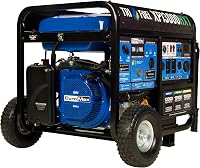
The Westinghouse 12500 Watt Dual Fuel Home Backup produces 9500 running watts and 12500 peak watts on gasoline. On propane, it produces 8500 running watts and 11200 peak watts.
That difference matters when several high-demand appliances start together. A refrigerator, sump pump, air conditioner or other motor load may need starting watts in addition to its normal running watts.
The smaller Westinghouse 4650 Peak Watt Dual Fuel Portable produces 3600 rated watts on gasoline and 3240 rated watts on propane. It has a gasoline peak rating of 4650 watts and a propane peak rating of 4180 watts.
The Oxseryn Power Equipment 4400 Watts Inverter Generator is gasoline-powered. It produces 4400 peak watts and 3400 running watts, which places it between the compact WEN and the larger Westinghouse home backup in this comparison.
Which fuel gives longer runtime?
Runtime depends more on load, tank size and the exact fuel rating than on fuel type alone. Compare the published runtime at the same load before choosing.
The Oxseryn generator runs for up to 14 hours at 25% load with ECO mode and has a 2 gallon fuel tank. That makes it useful for lighter loads where the engine can reduce fuel use.
The WEN has a 1 gallon tank and provides over 5.7 hours of half-load runtime. Its smaller tank helps keep the unit light, but you may need more frequent refueling during a long outage.
The Westinghouse 12500 Watt Dual Fuel Home Backup runs for up to 12 hours on a 6.6 gallon gasoline tank. Its larger tank supports long residential backup periods, although the generator itself is a large portable unit.
The Westinghouse 4650 is rated for up to 14 hours per gasoline tank and 16.5 hours on a 20 lb propane tank. Actual runtime changes with the connected load, so treat these figures as planning points rather than guarantees.
Is propane or gasoline easier to use during an outage?
Gasoline is usually easier when you need to refuel quickly, while propane is convenient when you have a prepared cylinder supply. The better choice is the one you can safely access when the power is out.
Gasoline stations may be available during some outages, but they may also have no power or long lines. Keep only the amount of gasoline you can store safely, and rotate it as part of your maintenance routine.
Propane can simplify emergency preparation because you can keep cylinders ready before a storm or other known risk. You still need to check cylinder condition, hose routing and the generator's fuel selector instructions.
The Westinghouse 12500 includes a propane hose, remote start key fob, 12V battery charger, oil, funnel, tool kit and user's manual. Those included items make its initial setup more complete, but the generator remains a large unit intended for residential use.
The Westinghouse 4650 includes a propane hose, oil, funnel, tool kit and user's manual. Its RV-ready TT-30R outlet and L5-30R outlet make it a practical match for travel trailer power planning.
Which generator should you choose?
Pick the WEN for quiet, light gasoline power; choose the Oxseryn for more gasoline output in a 56 lb frame; choose a Westinghouse dual-fuel model when propane access matters. Match the generator to your load before comparing convenience.
Choose the WEN Super Quiet 2350-Watt Portable Inverter Generator if you need a 39 lb gasoline unit for camping, tailgating or light backup. If you plan to pair compatible inverter generators, check 240V parallel kit requirements and confirm the complete system supports 240V.
For more low-noise choices, compare quiet inverter generators. It produces 1900 rated watts and includes 120V receptacles, a 12V DC receptacle and USB ports.
Choose the Oxseryn Power Equipment 4400 Watts Inverter Generator if 3400 running watts and an RV port better fit your needs. Its 56 lb weight is higher than the WEN's, but its output is also much higher.
Choose the Westinghouse 4650 Peak Watt Dual Fuel Portable if you need gasoline and propane in an RV-ready format. Its 30A outlets, fuel gauge, CO sensor and automatic low-oil shutdown support a more involved portable setup.
Choose the Westinghouse 12500 Watt Dual Fuel Home Backup if your plan includes large residential loads. Its gasoline output is higher than its propane output, but both fuel options can support substantial backup needs.
Can a dual-fuel generator use natural gas too?
A gasoline and propane generator should not be connected to natural gas unless the exact model and approved equipment support it. Fuel systems, pressure and connection requirements vary.
A propane inlet is built for propane at its expected pressure and connection type. Natural gas may need different pressure and a different fitting.
Connecting the wrong fuel can damage the engine or create a serious safety risk. It can also void warranty coverage if the setup is not approved.
Do not assume that a dual-fuel label covers natural gas. In this comparison, dual fuel means gasoline and propane for the models listed.
Some generators can be adapted, but adaptation is model specific. The conversion kit, regulator and hose must match the generator design.
Check the owner manual before buying any kit. Look for clear approval for natural gas, not just general claims about dual fuel use.
Also check local fuel rules and permit requirements. A home connection may need professional installation and inspection.
Our guide to dual fuel generator natural gas explains what to check before considering a natural gas setup. Use it as a checklist, not as a substitute for the manual.
Confirm the manual and approved conversion equipment for your exact model. If the manual does not approve natural gas, keep the generator on gasoline or propane.
For RV and portable use, natural gas may not suit the setup at all. A fixed home line is different from powering a unit at a campsite or jobsite, while propane and gasoline give you portable options you can carry or store.
If a home backup plan needs a fixed fuel supply, compare whole generator systems, not just a kit. Look at load ratings, transfer switch needs and service support, and ask who will install and service the connection.
Keep the existing fuel plan if approval is unclear. Test the generator on an approved fuel under load, check the outlets and confirm that shutdown systems work.
Store hoses and fittings where they stay clean and undamaged, and replace parts that show wear or loose connections. Follow the manual for oil changes, air filter care and inspection intervals, and choose the setup the manufacturer supports for your model.
Is a propane generator better than a solar generator?
A fuel generator is usually better for long, high-load operation, while a solar generator is quieter and produces no exhaust at the point of use. The right choice depends on runtime, load and where you will operate it.
Gasoline and propane generators can keep producing power as long as you have fuel and the unit is maintained. They must operate outdoors because of exhaust.
Solar generators need stored battery capacity and a way to recharge. They may suit indoor emergency loads, quiet camping or short outages, but a small battery cannot replace a fuel generator for every high-demand appliance.
Compare both options in our guide to which is better, solar generator or gas generator. If propane is your preferred fuel, our best propane hybrid generator guide can help with the next step.
Final decision: propane generator vs gas generator
Choose gasoline when fast refueling and maximum dual-fuel output matter most. Choose propane when storage readiness and fuel flexibility matter more.
For the simplest gasoline setup, the WEN suits light loads and easy carrying. Its 39 lb body, 1900 rated watts and clean inverter power fit camping, tailgating and light backup use.
For more gasoline output, the Oxseryn adds running power in a 56 lb frame. Its 3400 running watts and 4400 peak watts suit RV camping and home backup when a compact unit would be too small.
For fuel choice flexibility, the Westinghouse 4650 is the better portable match. It runs on gasoline or propane, has RV-ready 30A outlets, and includes automatic low-oil and carbon monoxide shutdown.
For residential backup, the Westinghouse 12500 is the stronger option. It gives 9500 running watts on gasoline and 8500 running watts on propane, with remote start and transfer-switch-ready outlets.
The best decision is the one that matches your expected load, safe storage space and likely refueling access. If those needs change, a dual-fuel model can keep both options available.
Start by listing the loads you must run during an outage. Add motor starting needs for items such as a refrigerator or sump pump.
Then match those loads to the rated watts for the fuel you plan to use. Do not rely on peak watts alone for steady operation.
Next, decide how fuel will be stored between storms or trips. Gasoline needs rotation, while propane needs safe cylinder storage and correct connections.
Finally, test the unit under load before an emergency. That habit will tell you more than any headline figure.
Frequently asked questions
Is propane better than gas for a generator?
Propane is better for long-term storage and emergency readiness because it can remain stored in suitable containers without the same fuel-aging concern as gasoline. Gasoline is often easier to refuel during an active outage and can deliver higher output on some dual-fuel generators.
Choose based on storage, access and load needs.
Does a generator run longer on propane or gas?
Runtime depends on the generator, load, tank size and fuel supply. The Westinghouse 4650 Peak Watt Dual Fuel Portable is rated for up to 14 hours per gasoline tank and 16.5 hours on a 20 lb propane tank.
Compare exact runtime figures instead of assuming one fuel always lasts longer.
Does propane reduce generator power?
Propane can produce less output than gasoline on some dual-fuel generators. The Westinghouse 12500 Watt Dual Fuel Home Backup produces 9500 running watts on gasoline and 8500 running watts on propane, while the Westinghouse 4650 produces 3600 rated watts on gasoline and 3240 on propane.
Can I switch between propane and gasoline while the generator runs?
Some dual-fuel generators support fuel changes without shutting down, but you should follow the exact manual for the model you own. The Westinghouse 4650 Peak Watt Dual Fuel Portable is described as allowing a fuel swap without shutting off.
Do not assume every dual-fuel generator works the same way.