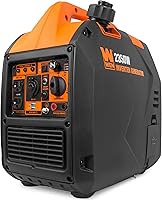
8 Best RV-Ready Generators (November 2026)
The best RV-ready generators include the Westinghouse 5000 Peak Watt Super Quiet Portable for quiet trailer power, the WEN 6800-Watt Dual Fuel RV-Ready Electric Start for high output and fuel choice, and the Westinghouse 6500 Watt Dual Fuel Home Backup for RV and home backup.
On this page (8 sections)
- Which RV-ready generator is best for your trailer?
- How do you match an RV generator to appliance loads?
- Is a 30-amp RV outlet enough?
- Should you choose gasoline, propane or dual fuel?
- How can you reduce RV generator noise?
- What maintenance does an RV generator need?
- More guides on this topic
- Which RV-ready generator should you choose?
The best RV-ready generator for most travel trailers is the Westinghouse 5000 Peak Watt Super Quiet Portable. It combines a TT-30R 30-amp RV outlet, 3900 rated watts, remote electric start and a stated runtime of up to 18 hours on a 3.4-gallon gasoline tank.
For campsite alternatives, compare inverter generators for camping.
Choose the WEN 6800-Watt if you want dual-fuel operation and higher gasoline output. The Champion 4000-Watt is easier to carry, while the Westinghouse 6500 Watt is better suited to buyers who want one generator for RV use and home backup.
RV-ready does not mean every generator will run every appliance at once. Check your trailer connection, total running load and the startup demand of motor-driven equipment before choosing a model.
For a broader explanation of fuel types, outlets and generator sizing, see our fuel generator complete buying guide.
Our picks at a glance
-
1
 Best for quiet trailer power
Westinghouse 5000 Peak Watt Super Quiet Portable
9.7/10 our score
See it on Amazon -
2
 Best for high output and fuel choice
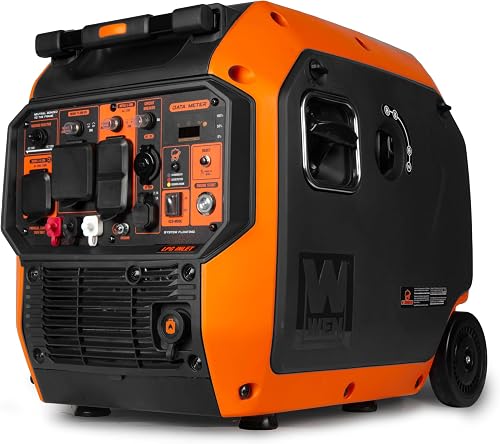
WEN 6800-Watt Dual Fuel RV-Ready Electric Start
9.7/10 our score
See it on Amazon -
3
 Best for RV and home backup
Westinghouse 6500 Watt Dual Fuel Home Backup
9.6/10 our score
See it on Amazon
- 4
 Check it
WEN Quiet and Lightweight 4800-Watt Dual Fuel
Best for lighter dual-fuel travel - 5
 Check it
Oxseryn Power Equipment 4400 Watts Inverter Generator
Best for compact gas power - 6
 Check it
Champion 4000-Watt Dual Fuel RV Ready Portable
Best for easy carrying - 7
 Check it
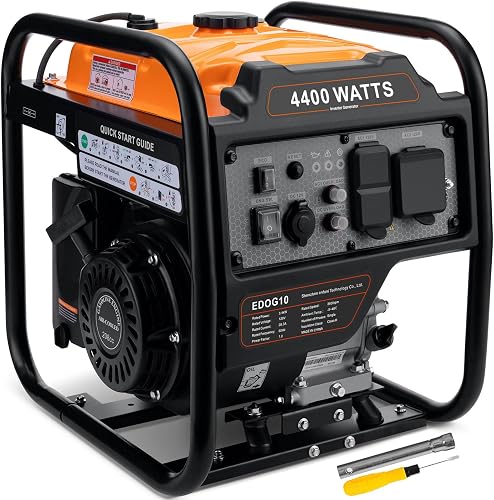
Oxseryn 4400-Watts Inverter Generator
Best for simple 30-amp backup - 8
 Check it
Genkins 4500W Inverter Generator for Home
Best for basic RV and home use
Which RV-ready generator is best for your trailer?
The best RV-ready generator depends on your trailer's outlet, air-conditioner demand, fuel preference and lifting limits. The Westinghouse iGen5000 is the strongest all-around choice here, while the other models target higher output, dual-fuel use, home backup or lower weight.
Our score weighs specs, features and buyer feedback against what you're shopping for. We checked the stated output, RV connection, fuel options, portability and useful controls for travel-trailer use.
Westinghouse 5000 Peak Watt Super Quiet Portable: Best for quiet trailer power
- 5000 peak watts
- 3900 rated watts
- TT-30R 30-amp RV outlet
- Remote electric start
A quiet gasoline inverter with a 30-amp RV outlet, remote start and a long stated runtime.
Pros
- Remote start
- Up to 18-hour runtime
- 52 dBA low-noise claim
Cons
- Gasoline only
- 104.7 lb
The Westinghouse 5000 Peak Watt Super Quiet Portable is the best match for a trailer owner who wants a quieter gasoline inverter with a 30-amp RV outlet. It produces 5000 peak watts and 3900 rated watts, giving you more continuous output than the smaller 3000-running-watt class pick here.
The TT-30R outlet connects directly to a compatible RV cord. Two USB outlets and a 5–20R 120V duplex household outlet also give you options for smaller devices and household-style plugs.
Remote electric start with an included key fob reduces the need to reach the control panel each time. Electric and recoil starts are also available.
Westinghouse states noise as low as 52 dBA and runtime up to 18 hours on the 3.4-gallon gasoline tank. Its rotating LED data center shows fuel level, power output, remaining runtime, voltage and lifetime hours.
At 104.7 lb, this is not the easiest pick to lift into a truck. The wheel and telescoping-handle kit help with movement on the ground.
Choose it when quiet operation, remote start and long gasoline runtime matter most. For more Champion options, compare our best Champion RV-ready inverter generators.
WEN 6800-Watt Dual Fuel RV-Ready Electric Start: Best for high output and fuel choice
- 6800 surge watts on gasoline
- 5100 rated watts on gasoline
- TT-30R RV receptacle
- Gasoline and propane operation
This dual-fuel inverter gives RV owners higher gasoline output, propane flexibility and several connection choices.
Pros
- Highest gasoline output here
- Dual-fuel operation
- CO Watchdog shutdown sensor
Cons
- 99.2 lb
- Lower propane output than gasoline
The WEN 6800-Watt Dual Fuel RV-Ready Electric Start is the best fit when you want high output and a choice between gasoline and propane. On gasoline, it produces 6800 surge watts and 5100 rated watts; on propane, it produces 6000 surge watts and 4500 rated watts.
Its TT-30R receptacle suits a compatible RV connection. The generator also has an L14-30R 120V/240V receptacle, two 120V receptacles, a 12V DC receptacle and two 5V USB ports.
Electric start makes ignition easier, and the fuel shutoff uses remaining carburetor fuel before shutdown. WEN includes a tool-free LPG connector and a 6-ft LPG regulator hose for propane setup.
The CO Watchdog sensor automatically shuts the generator down if dangerous carbon monoxide levels are detected. The built-in wheels and telescoping pull handle help move the 99.2-lb unit.
This model is a strong choice for larger trailer loads, but propane output is lower than gasoline output. Check the appliance load against the fuel mode you expect to use.
Westinghouse 6500 Watt Dual Fuel Home Backup: Best for RV and home backup
- 6500 peak watts on gasoline
- 5300 running watts on gasoline
- TT-30R RV outlet
- 4.7-gallon fuel tank
An open-frame dual-fuel generator for RV use and transfer-switch-ready home backup.
Pros
- High running wattage
- RV and transfer-switch-ready outlets
- Up to 14.5-hour gasoline runtime
Cons
- 135.6 lb
- Magneto ignition
The Westinghouse 6500 Watt Dual Fuel Home Backup suits RV owners who also want a generator for home backup. Before connecting home backup wiring, review generator transfer switch installation.
It produces 5300 running watts and 6500 peak watts on gasoline, or 4800 running watts and 5800 peak watts on propane.
The TT-30R outlet supports RV use, while the L14-30R 30-amp outlet is transfer-switch ready for compatible home backup wiring. Use a qualified electrician for any transfer-switch installation.
A 4.7-gallon fuel tank gives up to 14.5 hours of gasoline runtime. The 120/240V selector switch lets you choose the output arrangement that fits your connected equipment.
The 274cc engine has automatic low-oil and carbon-monoxide shutdown. A fuel gauge helps you check the tank before starting.
At 135.6 lb, this is the heaviest model in this roundup. The hardened-steel frame and wheel kit make ground movement easier, but it is less convenient for frequent RV loading.
Choose it if RV power and home backup are both priorities. If you want to compare solar options for trailer appliances, read can a solar generator run trailer appliances.
WEN Quiet and Lightweight 4800-Watt Dual Fuel: Best for lighter dual-fuel travel
- 4800 surge watts on gasoline
- 4000 rated watts on gasoline
- TT-30R RV receptacle
- 78.5-lb weight
A lighter WEN inverter with dual-fuel operation, electric start and an RV-ready 30-amp receptacle.
Pros
- 78.5-lb weight
- Dual-fuel operation
- Fuel shutoff and CO Watchdog
Cons
- Lower propane output
- Dimensions need careful confirmation
The WEN Quiet and Lightweight 4800-Watt Dual Fuel gives you dual-fuel flexibility in a lighter package than the larger WEN. It produces 4800 surge watts and 4000 rated watts on gasoline, with 4320 surge watts and 3600 rated watts on propane.
Its TT-30R receptacle is designed for a compatible RV connection. Four 120V receptacles, a 12V DC outlet and two USB ports cover common small-device connections.
WEN describes operation at 62 dBA at quarter load. The electric start, recoil backup, wheels and telescoping pull handle make setup easier around a campsite.
The CO Watchdog sensor adds automatic shutdown protection for dangerous carbon monoxide levels. Fuel shutoff helps limit fuel remaining in the carburetor after use.
At 78.5 lb, it is easier to move than the larger Westinghouse home-backup model. The product data includes an unusual width entry, so confirm the physical dimensions before planning storage.
Pick it when you want a quiet dual-fuel inverter without moving a 100-lb-plus generator. For a direct outlet comparison, see the best inverter generators with 30-amp RV plugs.
Oxseryn Power Equipment 4400 Watts Inverter Generator: Best for compact gas power
- 4400 peak watts
- 3400 running watts
- 30-amp RV port
- 56-lb weight
This 56-lb gasoline inverter pairs a 30-amp RV port with a 2-gallon tank and ECO mode.
Pros
- 56-lb weight
- 30-amp RV port
- Fuel gauge
Cons
- Gasoline only
- Under 72 dBA from 23 ft
The Oxseryn Power Equipment 4400 Watts Inverter Generator is a compact gasoline option for RV owners who want a 30-amp connection and a 56-lb unit. It produces 4400 peak watts and 3400 running watts.
The generator has two 120V AC ports, one 12V DC port and one RV port. Its 2-gallon fuel tank and fuel gauge make it easier to plan refueling, while ECO mode supports the stated runtime of up to 14 hours at 25% load.
Oxseryn describes noise below 72 dBA from 23 ft. That is a different measurement context from the quieter dBA figures stated for some enclosed inverter models, so compare noise claims carefully.
Low-oil shutdown and overload protection help protect the generator during use. The metal construction and 56-lb weight favor buyers who need to move it without a large wheel kit.
Choose this model for basic RV power, emergency home backup or outdoor use when gasoline is your preferred fuel. Its 3400 running watts may be enough for planned loads, but check air-conditioner startup demand first.
Champion 4000-Watt Dual Fuel RV Ready Portable: Best for easy carrying
- 4000 starting watts
- 3000 running watts on gasoline
- 120V 25A TT-30R outlet
- 51.8-lb weight
A light dual-fuel inverter for RV basics, with a 25-amp TT-30R outlet and optional parallel capability.
Pros
- Lightest generator here
- Up to 25-hour propane runtime
- CO Shield auto shutoff
Cons
- 3000 running watts on gasoline
- Parallel kit sold separately
The Champion 4000-Watt Dual Fuel RV Ready Portable is the easiest generator here to carry. It weighs 51.8 lb and produces 4000 starting watts and 3000 running watts on gasoline.
For storage protection, see covers for Champion generators.
Its 120V 25A TT-30R outlet connects with a compatible RV cord. The control panel also has a 120V 20A household duplex outlet, a 12V automotive-style outlet and parallel outlets.
Gasoline runtime reaches up to 10 hours at 25% load. With propane, the generator produces 2700 running watts and can run up to 25 hours at 25% load.
Champion states a noise level of 64 dBA from 23 ft. CO Shield provides automatic carbon-monoxide shutdown, and Cold Start Technology is designed for starting in cold weather.
The optional parallel kit can connect this inverter to another compatible Champion inverter or power station. That kit is sold separately, so account for it only if you need the extra capability.
Choose Champion when weight and propane runtime matter more than maximum continuous output. It is a practical match for modest RV loads and shorter trips.
Oxseryn 4400-Watts Inverter Generator: Best for simple 30-amp backup
- 4400 peak watts
- 3400 running watts
- 30-amp RV port
- 14-hour runtime
A gasoline inverter with a 30-amp RV port, ECO mode and a 2-gallon tank.
Pros
- 30-amp RV port
- 14-hour runtime
- 57-lb weight
Cons
- Gasoline only
- Open-frame design
The Oxseryn 4400-Watts Inverter Generator suits buyers who want a simple gasoline generator with a 30-amp RV port. It produces 4400 peak watts and 3400 running watts.
The 2-gallon tank supports a stated runtime of 14 hours at 25% load. ECO mode, low-oil shutdown, overload protection and cold-start technology cover the main operating controls described for this model.
Its outlet setup includes two 120V AC ports, one 30-amp RV port and one 12V DC port. The 57-lb weight keeps it close to the lighter Oxseryn option in this roundup.
The open-frame design may be less convenient for a quiet campsite than an enclosed inverter. Oxseryn also notes that a slight gasoline smell can occur because generators are functionally tested at the factory.
Pick it when you want the core RV connection and 3400 running watts without dual-fuel equipment. Compare the two Oxseryn models by their exact dimensions and included components before ordering.
Genkins 4500W Inverter Generator for Home: Best for basic RV and home use
- 4500 peak watts
- 3700 rated watts
- 30-amp current support
- 2.11-gallon fuel tank
A gasoline open-frame inverter with a 30-amp outlet, pure-sine-wave output and a 56-lb weight.
Pros
- 3700 rated watts
- 30-amp support
- 56-lb weight
Cons
- Pull start
- 70 dB at 7 meters
The Genkins 4500W Inverter Generator for Home is a gasoline option for RV owners who need 3700 rated watts and 30-amp current support. It produces 4500 peak watts and has a 2.11-gallon fuel tank.
The outlet layout includes a 120V NEMA L5-30R outlet and a 120V NEMA 5-20R household outlet. Confirm that the L5-30R connection matches your intended RV cord or adapter before buying.
Genkins describes pure-sine-wave output with THD below 3%, which suits sensitive electronics when used within the generator's limits. Low-oil auto-shutdown and overload protection add basic operating safeguards.
The 56-lb open-frame unit has a 212cc four-stroke engine, pull start and manual choke. Genkins states up to 8 hours at half-load and 70 dB at 7 meters.
Choose this model if rated wattage and low weight matter more than electric start or dual-fuel operation. Its outlet format needs extra attention because it is not described with a TT-30R outlet.
How do you match an RV generator to appliance loads?
Match the generator's rated watts to the appliances you plan to run together, then leave extra capacity for startup surges. A 30-amp RV outlet helps with connection, but it does not tell you whether the generator can start your air conditioner while other loads are running.
List the continuous wattage for the refrigerator, lights, charger, television, microwave and other devices you expect to use. Add only the devices that will run at the same time.
Motor-driven appliances can need more power at startup than during normal operation. An air conditioner or refrigerator may therefore determine your generator size even when the normal load seems modest.
The Westinghouse iGen5000 offers 3900 rated watts, while the Champion offers 3000 gasoline running watts. The larger WEN and Westinghouse models offer more continuous output for heavier planned loads.
Never connect a generator to an RV or home through an unsafe backfeed arrangement. Use the correct cord, outlet and transfer equipment for the installation.
Is a 30-amp RV outlet enough?
A 30-amp RV outlet is enough only when the generator output and your trailer total load fit within that connection. Confirm the plug shape, amperage and cord before choosing a generator.
A TT-30R outlet matters because many travel trailers use that shape for shore power. A direct match can avoid adapters, while a mismatch can complicate setup at the campsite.
The Champion uses a 120V 25A TT-30R outlet, while several other picks specifically list a TT-30R 30-amp outlet. Those details matter when you need a direct shore-power connection.
Amperage on the outlet is not the same as usable running watts. A generator can have a 30-amp outlet and still run out of continuous power when several appliances start together.
Check your trailer cord first and note its plug type and rating. Then compare that connection with the outlet listed for each generator.
Next, list the loads you plan to run at the same time. Include the refrigerator, lights, chargers, television and any motor driven equipment.
Motor driven appliances often need extra power at startup. An air conditioner can decide whether a generator works well even when steady loads look modest.
This is why peak watts should not drive the decision on their own. Rated or running watts give a clearer picture of steady power for camp use.
If your plan is light, a smaller output may suit daily needs. If you want an air conditioner plus other loads, choose more continuous capacity.
If you need more guidance, compare our best 4000-watt generators for RVs and best 3000-watt generators for campers.
Think about where the generator will sit during use. Keep it outdoors, level and clear of vents, with cords routed so they are not a trip hazard.
Also plan for fuel and storage before you travel. A generator that fits your load is less useful if it is awkward to carry, refuel or store between trips.
Match outlet, rated watts and appliance startup demand as a set. That approach helps you avoid buying power that looks right on paper but falls short in camp.
Should you choose gasoline, propane or dual fuel?
Choose gasoline for the highest stated output on several models, propane for longer storage and a different fuel option, or dual fuel when you want both choices. Fuel flexibility adds value only if you have a safe way to store and connect the selected fuel.
The WEN 6800-Watt reaches 5100 rated watts on gasoline and 4500 rated watts on propane. The Champion runs up to 25 hours on propane at 25% load, but its propane running output is 2700 watts.
Gasoline-only models can be simpler when you already carry approved gasoline containers. Dual-fuel models can reduce dependence on one fuel source, but you must follow the connection and storage instructions for propane.
For a broader comparison, read which is better, solar generator or gas generator, then compare the best dual-fuel generators for RVs if fuel choice is your main concern.
How can you reduce RV generator noise?
Reduce noise by choosing a model with a lower stated dBA figure, placing it outside with clear airflow, and keeping it as far from occupied areas as the cord allows. Never operate a fuel generator inside an RV, enclosed storage area or other occupied space.
The Westinghouse iGen5000 lists noise as low as 52 dBA. WEN lists 62 dBA at quarter load for the 4800-Watt model, while Champion lists 64 dBA from 23 ft.
Noise figures use different test conditions, so don't compare every number as if it came from the same distance and load. Read our guide to the best quiet RV generators for more options.
Keep the generator level, dry and clear of blocked vents. Follow the manual for placement, grounding and cord use, and keep carbon-monoxide safety at the center of every setup.
What maintenance does an RV generator need?
An RV generator needs the fuel, oil and air-care routine specified for its engine, plus safe storage between trips. Before travel, check the controls, cables, fuel connections and outlet covers without running the unit in an enclosed area.
Fuel shutoff can help use remaining carburetor fuel before shutdown on the WEN models. Low-oil shutdown appears on several models, but it does not replace checking oil before operation.
Keep gasoline and propane handling outdoors and follow the generator's instructions. Store fuel only in approved containers and inspect hoses and connectors before use.
For propane-focused choices, see the best propane generators for campers and best propane generators for camping.
More guides on this topic
- Best Remote Start Generators for RVs This guide can help if starting from inside the trailer matters more than other features. Compare start method, outlet type and running watts before you decide which setup fits your travel style and daily routine.
Which RV-ready generator should you choose?
Choose the Westinghouse 5000 Peak Watt Super Quiet Portable if you want the best balance of RV connection, rated output, quiet operation, remote start and gasoline runtime. It suits trailer owners who value calm campsite use and straightforward 30-amp connection.
Choose the WEN 6800-Watt for higher gasoline output and dual-fuel flexibility. It fits larger planned loads and buyers who want propane as a second fuel option.
Choose the Westinghouse 6500 Watt when home backup matters as much as RV use. Its transfer switch ready outlet and higher running watts make that dual role easier to plan.
Choose the Champion 4000-Watt when a 51.8-lb generator is easier to manage. It suits lighter loads, shorter trips and buyers who carry gear by hand more often.
For a lighter gasoline option, compare the Oxseryn models by their 3400 running watts and 30-amp RV ports. Both sit near 56 to 57 lb, so outlet details and included parts matter more than the small weight gap.
The WEN 4800-Watt is worth a look for dual-fuel use in a lighter package. It gives propane choice without the size of the largest models here.
The Genkins option may fit buyers who want 3700 rated watts at 56 lb. Check its L5-30R outlet carefully, since it does not list a TT-30R outlet.
Before buying any pick, match its outlet and rated watts to your trailer cord and appliance startup loads. That check should come before fuel choice or extra features.
Ask how you will move the generator each day. Wheels and a handle help on firm ground, but weight still matters on steps, soft soil or a truck bed.
Ask how noise will affect your plans. Lower stated dBA figures can help at a quiet campground, but placement and distance from sleep areas still matter.
Ask which fuel you will actually carry. Gasoline can give higher output on some models, while propane can suit longer storage and different trip plans.
Ask what you want to run at the same time. Lights and chargers are one plan, while air conditioning plus a refrigerator is a much heavier one.
Set up the generator outdoors with clear airflow and cords kept in a safe path. Follow the manual for oil, fuel, grounding and shutdown steps before first use.
Store the unit dry, check cords and connections before travel, and keep fuel in approved containers. Good care protects the engine and keeps campsite power ready when you need it.
Pick the model that fits your outlet, load, weight limit and fuel plan together. That match matters more than chasing the largest peak watt number on the list.
Our top 3 picks at a glance
-
1
Best for quiet trailer power
Westinghouse 5000 Peak Watt Super Quiet Portable
9.7/10 our score
See it on Amazon -
2
Best for high output and fuel choice
WEN 6800-Watt Dual Fuel RV-Ready Electric Start
9.7/10 our score
See it on Amazon -
3
Best for RV and home backup
Westinghouse 6500 Watt Dual Fuel Home Backup
9.6/10 our score
See it on Amazon
Frequently asked questions
What makes a generator RV ready?
An RV-ready generator has an outlet that matches the RV's shore-power connection, commonly a TT-30R 30-amp receptacle. Match the outlet and available running watts to your trailer before buying, then confirm the generator can handle the startup demand of appliances such as an air conditioner.
How many watts do I need for an RV generator?
Many travel trailers can use a generator in the 3000-to-5000-running-watt range, but the correct size depends on your appliances. Add the running watts of the loads you want at the same time, then leave room for motor startup surges from an air conditioner or refrigerator.
Are inverter generators better for RVs?
Inverter generators can be a strong RV choice because the models here produce clean power for electronics and several offer lower-noise operation. Compare the actual wattage, outlet type, fuel runtime and weight rather than choosing by the inverter label alone.
Is a 30-amp generator enough for an RV?
A 30-amp RV-ready generator can fit a trailer with a matching TT-30 connection, but the outlet alone does not determine usable power. Check the generator's rated watts and your appliance loads, especially if you plan to run air conditioning, a refrigerator and other devices together.