How to Install a Generator Transfer Switch
Generator transfer switch installation should be planned around your generator, service panel, load needs, and local electrical rules. A licensed electrician should make the panel connection and verify the finished system.
On this page (8 sections)
- What does a generator transfer switch do?
- What should you plan before generator transfer switch installation?
- How do you check generator and transfer switch compatibility?
- What equipment is normally part of the connection?
- What is the professional installation process?
- How do you operate the system after installation?
- What should you inspect after installation?
- What is the safest generator transfer switch installation plan?
Generator transfer switch installation should be planned around the generator's output, the home's service panel, the transfer switch rating, and the circuits you need during an outage. A qualified electrician should complete the electrical connection and confirm that the system cannot send generator power back into utility lines.
A transfer switch creates a controlled path between the generator and selected home circuits. It also lets you move those circuits from utility power to generator power without using unsafe extension-cord workarounds.
What does a generator transfer switch do?
A generator transfer switch separates utility power from generator power before the selected circuits receive backup electricity. That separation helps prevent backfeeding, which can endanger utility workers and damage equipment.
The switch may serve selected circuits or a larger portion of the home's electrical system. A meter-mounted setup has different planning needs; see transfer switches at the meter.
The right arrangement depends on the generator, service equipment, available capacity, local rules, and the loads you want to run.
Read how to use a transfer switch with a generator after installation for the operating sequence and outage checklist.
What should you plan before generator transfer switch installation?
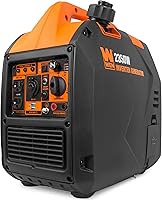
Plan the generator location, backed-up circuits, connection method, switch rating, and fuel arrangement before buying equipment. If you are comparing generator models, see WEN inverter generator options.
Write down the loads you consider essential, then check their startup and running demands with an electrician.
Common backed-up circuits include refrigeration, lighting, heating controls, internet equipment, and selected receptacles. Large loads such as electric ranges, central air conditioners, water heaters, and clothes dryers may exceed a portable generator's capacity.
A gas generator buying guide can help you compare fuel-powered generator types before you match one to a transfer switch. Keep fuel and exhaust planning separate from the electrical work because a correct switch cannot make an unsafe generator location safe.
How do you choose circuits for a transfer switch?
Choose circuits that fit the generator's available output and your emergency priorities. Avoid assuming that every circuit can run at once, especially when motors and compressors need extra starting power.
Make a short load list with the appliance name, running watts, starting demand if available, and whether it must operate continuously. An electrician can use that list to decide whether a selected-circuit switch or another arrangement fits your panel.
How do you check generator and transfer switch compatibility?
Compatibility depends on voltage, amperage, generator outlet type, circuit arrangement, neutral bonding, grounding, and the switch's approved installation method. The generator's output alone does not prove that a switch will work with it.
Check the generator's manual and the transfer switch instructions together. Confirm the connection type, maximum current, number of poles, and whether the switch is designed for the generator and service configuration.
A cord is part of the connection system, so compare the best generator transfer switch cord options with the generator inlet and switch requirements. If the connector does not match, review best generator transfer switch adapter cord options, but do not use an adapter to bypass a rating or grounding requirement.
Does a fuel conversion change transfer switch planning?
A fuel conversion can change how you operate the generator, but it does not automatically change the transfer switch's electrical rating. The generator still needs a compatible connection, adequate output, and safe operating location.
The HIPA 389cc 420cc Tri Dual Generator Carburetor is for compatible Honda GX340, GX390, GX420, and GX460 engines and clones, with gasoline, propane, and natural gas operation. Its compatibility notes require checking engine displacement, carburetor style, and available physical space before purchase.
Use the exact engine and carburetor details when deciding if this type of conversion belongs in your setup. It does not replace the need to size the transfer switch and wiring for the generator's electrical system.
What equipment is normally part of the connection?
A typical installation may include the transfer switch, an outdoor generator inlet, a correctly rated cord, circuit wiring, overcurrent protection, and enclosure hardware. The exact parts depend on the switch design and the existing service panel.
The generator inlet should be placed where the connection cord can reach without passing through a door or window. The generator itself must remain outdoors in a location that keeps exhaust away from openings and occupied spaces.
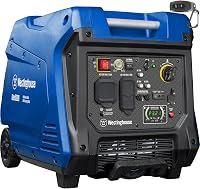
The Westinghouse 5000 Peak Watt Super Quiet Portable has 5000 peak watts, 3900 rated watts, a 30 A current rating, a TT-30R 30 Amp outlet, a 5–20R 120V duplex outlet, and 2 USB outlets. It is gasoline powered, measures 24.5 x 17.5 x 20 inches, and weighs 104.7 lb.
Its output and outlet layout may suit selected home circuits or an RV-related setup, but the transfer switch must match the connection and intended load. Do not size a house connection from peak watts alone.
What is the professional installation process?
The professional connection process usually includes inspecting the service equipment, mounting the switch, routing approved wiring, connecting selected circuits, and testing the transfer operation. The electrician should also confirm labeling, grounding, neutral handling, and required inspection steps.
The work commonly follows this order:
- Review the generator, service panel, transfer switch instructions, and load plan.
- Choose a safe location for the generator inlet and transfer equipment.
- Turn off and verify the relevant electrical supply before opening equipment.
- Mount the transfer switch and inlet according to their instructions.
- Route and terminate conductors using the required wire type and protection.
- Connect only the circuits approved for backup power.
- Label the switch positions and backed-up circuits clearly.
- Test utility operation, generator operation, and transfer behavior.
- Review shutdown, refueling, storage, and outage procedures.
Do not remove panel covers or handle energized conductors unless you are qualified and authorized to do that work. Local rules may require a permit or inspection, so confirm them before the installation begins.
Should you choose a transfer switch or an interlock?
A transfer switch offers a dedicated way to move selected circuits or a service arrangement between utility and generator power. An interlock uses a mechanical arrangement at the panel to prevent the utility main and generator breaker from being on at the same time.
The correct choice depends on the panel, generator connection, local approval, available space, and the circuits you want to control. Compare generator transfer switch vs interlock before selecting an approach.
How do you operate the system after installation?
Operate the system by starting the generator outdoors, allowing it to stabilize as instructed, moving the transfer equipment to the generator position, and turning on loads gradually. Reverse that order when utility power returns.
Keep the generator dry and away from doors, windows, and vents. Never run it in a garage, basement, shed, or other enclosed area, even if a door is open.
The Hutch Mountain Generator Dual-Fuel Conversion Kit for Honda is made for an existing Honda EU2200i and is also described for the EU2000i and EU3000i configurations. It includes a dual-fuel conversion kit, manual, and fuel adapters, with gasoline, propane, and natural gas compatibility.
Verify the exact Honda inverter model before choosing this kit. Fuel conversion does not remove the need for outdoor operation, correct ventilation, safe fuel handling, and a properly matched electrical connection.
For a recreational vehicle setup, see How To Install Solar Generator In RV? for a different power system and installation context.
What should you inspect after installation?
Inspect the inlet, cord, transfer switch labels, generator position, fuel connections, and selected circuits before an outage. Run a controlled test according to the equipment instructions and record any problem for the electrician.
Check that the cord is fully seated and protected from water, vehicles, heat, and foot traffic. Look for damaged insulation, loose covers, unusual noise, or signs of overheating.
A transfer switch is not a substitute for load management. If the generator struggles when a refrigerator, pump, or other motor starts, turn off nonessential loads and ask a qualified professional to review the capacity and wiring.
For more equipment comparisons, see the best transfer switch guide and the best 50-amp generator transfer switch kits guide.
What is the safest generator transfer switch installation plan?
The safest plan is to choose compatible equipment, map the essential circuits, install the inlet and switch correctly, and have a qualified electrician test the complete system. Keep generator exhaust, fuel storage, and electrical connections under separate safety checks.
Pick a selected-circuit setup when you only need a few essential loads. Consider a larger arrangement only when the generator output, service equipment, switch rating, and professional load calculation support it.
Generator transfer switch installation is complete only after the system transfers safely, the circuits are labeled, and everyone who may operate it understands the startup and shutdown sequence.
Frequently asked questions
Can I install a generator transfer switch myself?
You can plan the equipment and identify the circuits you want backed up, but the panel connection should be completed and checked by a qualified electrician. Transfer switch installation can involve the service panel, grounding, neutral conductors, overcurrent protection, and local permit rules.
What size transfer switch do I need?
Choose a transfer switch that matches the generator connection, service-panel arrangement, voltage, amperage, and circuits you want to power. The switch must also be compatible with the generator's output and the electrical system's neutral and grounding design.
Does a transfer switch power the whole house?
A transfer switch powers only the circuits it is designed and wired to control. A whole-house setup needs equipment and service ratings that match the home, while a selected-circuit setup sends generator power only to chosen loads such as a refrigerator, lighting, or a sump pump.
Can I connect a portable generator directly to a transfer switch?
A portable generator can connect to a compatible transfer switch when the generator outlet, cord, switch rating, grounding arrangement, and selected circuits all match. Never connect a generator to a wall outlet, and keep the generator outdoors away from doors, windows, and vents.