Portable vs Whole House Generators: Which Fit? (November 2026)
Choose a portable generator for lower upfront cost and flexible use, and a whole house generator for automatic coverage of more circuits. In a portable generator vs whole house comparison, your outage priorities, panel setup and fuel plan decide the winner.
On this page (11 sections)
- Portable generator vs whole house generator: the quick side by side
- What coverage do you actually need in an outage?
- How automatic do you want the start to be?
- What will installation and total cost look like?
- How much power and runtime do you need?
- What fuel choice fits your home?
- How much noise and space can you accept?
- What maintenance will you do each year?
- Which option fits your home and lifestyle?
- More guides on this topic
- Portable generator vs whole house generator: final verdict
Choose a portable generator for flexibility and a whole house generator for automatic coverage. Portable generator vs whole house comes down to how fast you want power, how many circuits you need and how much setup you will accept.
A portable unit can also run tools or power a travel trailer. A permanently installed unit stays in one place and starts on its own.
We compared specs, features and buyer patterns for the products below. Our score weighs specs, features and buyer feedback against what you are shopping for.
We did not test these units hands on.
 Best for whole house filtration
PUREPLUS 5 Micron 10"x4.5" Whole House Sediment
 Best for portable home backup
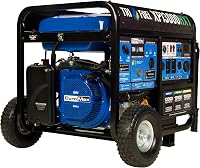
Westinghouse 12500 Watt Dual Fuel Home Backup
Portable generator vs whole house generator: the quick side by side
Portable wins on flexibility and upfront cost, whole house wins on automatic coverage. Use this table to see the core split before you read the details.
| Factor | Portable generator | Whole house generator |
|---|---|---|
| Setup | You place, start and connect it | Permanently installed |
| Coverage | Selected loads or transfer switch circuits | Assigned home circuits |
| Start | Manual, electric or remote start | Automatic on outage, by design |
| Fuel | Gasoline, propane or stored fuel you manage | Usually piped gas or a large tank |
| Use beyond outages | Yes, for work, RV and events | No, tied to the home |
| Best for | Budget minded and flexible users | People who want set and forget backup |
The Westinghouse 12500 Watt Dual Fuel Home Backup Portable Generator sits on the portable side with 9500 running watts on gasoline. That is strong power for a portable unit, but it still needs manual placement and connection.
What coverage do you actually need in an outage?
Coverage means the circuits and appliances you will run, not every outlet in the house. List your must run loads first, then add nice to have loads.
A refrigerator, sump pump, lights, phones and medical devices often top the list. Air conditioning, electric range and water heater add large loads and may need a bigger system.
The Westinghouse portable unit has two GFCI 120V 20A household receptacles and a transfer switch ready 120V L14-30R 30A outlet. That helps you feed selected home circuits with a proper transfer switch.
Our guide to the best propane generator for home helps if propane storage is part of your plan.
Whole house coverage in plain terms
Whole house coverage is wider and more automatic, but it is limited by the installed unit size. An installed system feeds circuits you and the installer assign, not unlimited power.
Our picks for the best propane generator whole house systems show how permanent units are sized for homes.
Portable coverage in plain terms
Portable coverage is flexible, but you choose the loads during the outage. You can plug in a refrigerator directly or feed circuits through a transfer switch, and you must manage cords and load order.
A gas generator guide helps explain fuel types and outlet choices for portable units. Do not assume a portable unit will run everything at once, as motors draw more power at startup, often called surge or peak watts.
How automatic do you want the start to be?
Whole house systems win on automatic start, while portable systems need you to act. That difference matters most in storms, at night or when you travel.
A whole house generator detects an outage and starts without you being there. You still need maintenance, fuel checks and service, but you do not need to drag a unit outside in bad weather.
The Westinghouse portable unit has remote start with an included key fob, plus electric and recoil start.
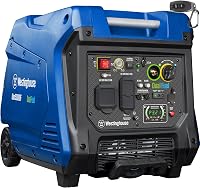
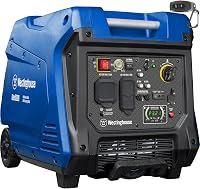
The BLUETTI Elite 30 V2 has a 10ms UPS switch that can protect small devices when power cuts. It is not a whole house automatic system, it is a small bridge for short outages.
Who needs automatic start most?
People with medical devices, sump pumps or a home that cannot sit dark often need automatic start. If you are home and can set up a portable unit safely, manual start may be fine.
If you want quieter, cleaner backup for small devices, our best inverter generator for home backup guide covers a different portable style.
The portable start reality
Portable start is simple, but it is not instant or hands free. You must store fuel safely, move the unit, start it outdoors and connect loads.
The Westinghouse unit has never flat wheels, a handle and a lift bracket to help with moving it. Never run a fuel generator inside a home or garage.
What will installation and total cost look like?
Portable backup usually has lower upfront and install cost, while whole house backup adds permanent install cost. Compare the full project, not only the unit.
A portable setup may need a transfer switch for home circuits. A whole house setup needs a pad, fuel line, electrical work, permits and inspections in many areas.
The Westinghouse portable unit is transfer switch ready, but it does not include a whole house installation.
Our article on Can A Solar Generator Power A Whole House? helps readers who ask about battery based whole house backup.
Hidden costs to plan for
Fuel, maintenance, storage and service are part of total cost for both options. Portable units need oil changes and fuel rotation, while whole house units need scheduled service and exercise cycles.
A portable unit can be stored in a garage or shed. A whole house unit needs outdoor space near the home and clear access for service.
When portable is the smarter spend
Portable is smarter when outages are short, rare or affect only a few loads. You may get years of use for a fraction of permanent install cost.
Portable also fits renters and people who may move. Our post on Can You Use a Portable Power Station as a Whole House Generator? explains why a 288Wh station will not run a home like a fuel generator.
How much power and runtime do you need?
Power is measured in watts, and runtime depends on fuel and load. Running watts matter more than peak watts for most home loads.
The Westinghouse portable unit gives 9500 running watts and 12500 peak watts on gasoline, and 8500 running watts and 11200 peak watts on propane. It runs up to 12 hours on a 6.6 gallon fuel tank, with higher loads using fuel faster.
The BLUETTI Elite 30 V2 gives 600W continuous and 1500W surge with Power Lifting Mode, and stores 288Wh. That suits lights, phones and laptops for a while, not central air or an electric range.
Sizing your must run loads
Add the running watts of your must run appliances, then check startup surge. A refrigerator, freezer, sump pump and lights are a common start.
For a whole house system, an installer sizes the unit for assigned circuits. For a portable unit, you must do that math yourself, and our best dual fuel generator for home backup guide covers dual fuel trade offs.
Runtime and fuel storage
Longer runtime needs more fuel, and fuel storage has safety rules. Propane tanks store well, while gasoline needs stabilizer and rotation in many cases.
For portable use, keep fuel in approved containers away from living spaces and never refuel a hot generator. Whole house units often use piped natural gas or a large propane tank.
What fuel choice fits your home?
Fuel choice affects power, storage, runtime and availability during outages. Pick a fuel you can store and get during a storm.
Gasoline is common and gives this Westinghouse unit its highest output. Propane stores longer, and natural gas avoids storage but needs a utility line.
Whole house generators often connect to natural gas or a large propane tank.
Our best inverter generator with 50 amp outlet post covers outlets for RV and home loads. The Westinghouse unit has a 120/240V 14-50R 50A RV ready outlet.
Dual fuel trade offs
Dual fuel gives you a choice, but output can drop on one fuel. Running watts on the Westinghouse unit are higher on gasoline than propane.
That drop matters if you plan to run an air conditioner on propane, so check running watts for the fuel you will actually use.
Fuel during a regional outage
Fuel access can decide how long any generator runs. Store enough fuel for your must run loads for at least 24 hours and rotate gasoline.
A portable power station charged from solar or a wall outlet can bridge short gaps. The BLUETTI unit charges by AC, car, solar and other listed methods, but it still has limited stored energy.
How much noise and space can you accept?
Portable units are louder and need outdoor space each time, while whole house units are fixed and usually quieter at the home. Noise limits and neighbor rules matter.
A portable generator must run outside, away from windows and doors, with space to place, access and refuel it safely. The Westinghouse unit measures 27.2 x 26.1 x 26.5 inches and has wheels and a handle, but it is not a carry anywhere device.
The BLUETTI Elite 30 V2 measures 9.8 x 7 x 6.6 inches and weighs 9.5 pounds. It has no engine noise, but it is far less powerful.
Space at home
Measure your outdoor space before you choose a permanent unit. A whole house generator needs a pad, clearances and service access.
For a portable unit, find a flat outdoor spot that stays dry and plan where exhaust will go.
Noise during outages
Noise affects how long you will run a generator and where you can place it. The Westinghouse unit is an open frame generator built for power, not low noise.
If noise is a top concern, compare inverter models for smaller loads.
What maintenance will you do each year?
Whole house systems need scheduled service, while portable systems need owner care after each use. Both need fuel checks and exercise runs.
A whole house generator usually has an exercise cycle, but it still needs oil, filters, battery checks and professional service. A portable generator needs oil checks, oil changes, air filter care and fuel rotation.
The Westinghouse unit has a digital hour meter to help track service intervals and automatic low oil shutdown to protect the engine.
Maintenance you can handle
If you like hands on care, a portable unit may fit your habits. You can store it, start it monthly and service it yourself.
If you want fewer tasks, a whole house system with a service plan may fit better. The BLUETTI unit has a 60 month warranty description in its specs, and still needs charge checks.
Storage and readiness
A generator only helps if it starts when you need it. Keep the portable unit clean and dry, run it monthly under load if the manual suggests it, and store the manual and key fob where you can find them in the dark.
For whole house systems, keep service records and fuel logs.
Which option fits your home and lifestyle?
The right choice depends on outage length, home size, budget and how much setup you accept. There is no single winner for every home.
Choose portable if you want lower upfront cost and flexible use. Choose whole house if you want automatic start and wider circuit coverage.
Choose a small power station if you only need phones, lights and laptops.
The Westinghouse portable unit fits homes that want strong portable power, with 9500 running watts on gasoline and a transfer switch ready outlet. The BLUETTI Elite 30 V2 fits small backup needs, with 288Wh, 600W continuous output and a 10ms UPS switch.
Who should buy portable?
Buy portable if outages are short, your must run list is small or you want use beyond the home. Renters and budget minded buyers often land here, as one unit can serve home, work and recreation.
A portable power station fits people who want quiet, indoor safe backup for small devices.
Who should buy whole house?
Buy whole house if you want power to start on its own and feed more circuits. People with medical needs, sump pumps or frequent long outages often land here, as do people who travel during storms.
It also fits homes where a portable unit would be unsafe to set up during weather.
More guides on this topic
- Best Dual Fuel Generators for Home Backup
- Best Inverter Generators with 50-Amp Outlets
Portable generator vs whole house generator: final verdict
Pick portable for cost and flexibility, and whole house for automatic coverage. In portable generator vs whole house decisions, your must run loads and outage habits matter most.
If you can set up a portable unit safely and you want lower upfront cost, choose portable. The Westinghouse unit here gives strong dual fuel power with remote start, and pairing it with a transfer switch helps feed home circuits.
If you want coverage without manual steps, choose a whole house system. Budget for professional install, fuel connection and service, and size it for your must run circuits, not every load in the home.
If you only need small devices during short outages, a portable power station may be enough. The BLUETTI Elite 30 V2 covers lights, phones, laptops and CPAP type loads within its 600W continuous limit, but it does not replace a fuel generator for large loads.
Next, list your must run loads and add their running watts, as that one step will point you to the right size and type.
Frequently asked questions
Is a portable generator or a whole house generator better?
A portable generator is better for lower upfront cost and flexible use, while a whole house generator is better for automatic coverage. Choose portable if you can set it up safely during an outage.
Choose whole house if you want power to start without manual steps.
Can a portable generator power a whole house?
A large portable unit can power selected circuits through a transfer switch, but it does not power every circuit by default. The Westinghouse unit here has 9500 running watts on gasoline and a transfer switch ready outlet.
Plan which loads matter first and keep total running watts within that limit.
What is the main difference in coverage?
Whole house systems are permanently installed and can feed assigned circuits automatically, while portable units must be placed, started and connected each time. A small power station such as the BLUETTI Elite 30 V2 covers only small devices because it stores 288Wh and outputs 600W continuously.
Which choice costs less to install?
Portable units usually avoid permanent install work and a transfer switch may still be needed for safe home wiring. Whole house units require professional installation, permits and fuel connections in many cases.
Compare total project cost, not just the generator price.