What Is a Diesel Inverter Generator?
A diesel inverter generator is a diesel engine paired with inverter electronics that produce clean, stable AC power for sensitive loads. It differs from a conventional diesel generator because the engine speed can vary and the inverter controls the output waveform and frequency instead of tying them directly to engine speed.
On this page (9 sections)
- How does a diesel inverter generator make power?
- How is inverter diesel power different from a conventional diesel generator?
- What is a portable inverter generator, and how does it compare?
- What are the pros and cons of diesel inverter generators?
- Can a diesel inverter generator run sensitive electronics safely?
- What should you check before you buy an inverter diesel model?
- How do you set up and care for a diesel inverter generator?
- Which fuel generator fits if diesel is not available?
- Should you choose a diesel inverter generator, gasoline inverter, or hybrid?
A diesel inverter generator is a diesel engine that feeds an inverter to make clean AC power, and the inverter decouples output frequency from engine speed. That setup lets the engine slow down at light loads, which can cut noise and fuel use compared with a fixed-speed diesel generator.
The phrase inverter generator diesel is used two ways. Sometimes it means a true diesel-powered inverter generator.
Other times it means a portable inverter generator that runs on diesel, which is the same thing in plain terms.
How does a diesel inverter generator make power?
A diesel inverter generator burns diesel to spin an alternator and then conditions that power through an inverter stage. The engine makes electricity, the inverter shapes steadier AC output, and controls adjust engine speed to match demand.
Conventional generators usually run near a fixed speed for 60 Hz output, so frequency and engine speed rise and fall together. In an inverter design, the engine can run slower while electronics hold frequency near 60 Hz.
That slower speed cuts noise, fuel use, and wear at light loads. The inverter also lowers total harmonic distortion, or THD, for a cleaner sine wave for laptops, televisions, and chargers.
Check the published THD figure before you assume a unit is electronics-safe.
How is inverter diesel power different from a conventional diesel generator?
Inverter diesel power uses variable engine speed plus electronic output control, while conventional diesel generation ties output more directly to fixed engine speed. The result is cleaner power and better part-load efficiency.
A conventional diesel generator suits large, steady loads and can be efficient when load is high and steady. It may run louder and use more fuel when only a few lights and chargers are connected.
A diesel inverter generator suits changing loads, such as a campsite, RV, truck, or work site where a kettle, charger, and power tool cycle on and off. Weight and size depend on design, not fuel alone, so compare wet weight, dimensions, and tank size before you plan transport or storage.
What is a portable inverter generator, and how does it compare?
A portable inverter generator uses the same inverter idea as a diesel inverter model, but most portable units run on gasoline or propane. Learn the basics from what is a portable inverter generator before you choose a fuel.
Portable units suit camping and RV travel because they are quiet, compact and produce clean power in a small frame. Dual fuel models are common, but they are not diesel models.
Our gas generator pillar covers designs, outlet types and setup steps. If fuel choice is your main question, read do inverter generators use gas.
The fuel label tells you what to store and refill, not how clean the output is.
Which gasoline inverter model suits light portable loads?
The WEN Super Quiet 2350-Watt Portable Inverter Generator fits light, quiet portable use at 39 lb, with 2,350 surge watts and 1,900 rated watts for phones, tablets, televisions, and computers. It has two 120V receptacles, one 12V DC receptacle, and two 5V USB ports.
WEN says the 79cc 4-stroke engine runs at 51 decibels at quarter load. The fuel shutoff lets remaining carburetor fuel burn off before shutdown, which can help limit stale fuel buildup.
This is not a diesel inverter generator, so do not buy it for diesel storage or long diesel run times. Buy it if you want a light gasoline inverter unit for camping, tailgating, or basic backup, and if 1,900 rated watts matches your load list.
What are the pros and cons of diesel inverter generators?
The pros are cleaner power, quieter part-load running, and better fuel use at variable loads. The cons are higher upfront cost, tighter availability in portable sizes, and diesel fuel handling.
Diesel fuel has high energy density, so a diesel unit can run for a long time on a given tank volume. That matters for remote work, marine use, and sites where refills are hard.
The inverter stage adds electronics, cost, and possible points of failure. A conventional diesel generator may be simpler to service in heavy industrial settings.
Noise is lower for many inverter diesel designs at part load, but not every diesel inverter is quiet. Check the stated decibel level and the conditions behind it before you compare models.
Can a diesel inverter generator run sensitive electronics safely?
Yes, if the inverter output meets the electronics maker's needs and the total load stays within rated watts. Check THD, rated output, frequency stability, and outlet compatibility before you connect a laptop or charger.
Keep the continuous load below rated watts, not peak watts. Add up your loads, include starting needs for motors, and leave headroom for heat and altitude effects described in the manual.
Clean power helps, but it does not replace surge protection for very sensitive gear. For medical devices, follow the device maker's guidance exactly.
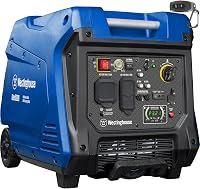
The Westinghouse 5000 Peak Watt Super Quiet Portable unit produces 3,900 rated watts at less than 3% THD. That gasoline example shows the THD check you should use on any inverter diesel candidate.
Which mid-size inverter model suits RV and home backup use?
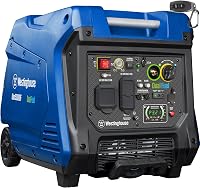
The Westinghouse 5000 Peak Watt Super Quiet Portable fits RV and light home backup use with 5,000 peak watts, 3,900 rated watts, and less than 3% THD. It has a TT-30R RV outlet, a 5-20R 120V duplex, and two USB outlets for travel trailers or home use.
Westinghouse says it runs as low as 52 dBA and up to 18 hours on a 3.4 gallon gasoline tank, with economy mode for fuel savings. The LED data center shows fuel level, power output, remaining run time, voltage output, and lifetime hours.
Again, this is gasoline powered, not diesel. Use it as a comparison point for inverter features such as remote start, parallel capability, and clean output.
If you truly need diesel, use these features as a checklist when you shop.
What should you check before you buy an inverter diesel model?
Check rated watts, THD, tank size, weight, outlets, and service access before you focus on peak watts or fuel type. Those details decide what you can run, where you can take it, and how long it will run.
Start with a load list. Write down each item, its rated watts, and any motor starting demand.
Then check the inverter specs. Look for rated watts, continuous current, THD, frequency, and outlet types.
If you plan to charge batteries or run a transfer switch, confirm that the outlets and controls match that job.
Finally, check logistics. Weight, handle design, ramp access, and winter starting needs can matter more than a small difference in rated watts.
How does inverter technology work with other power sources?
Inverter technology controls AC output with electronics in several kinds of power systems. A hybrid model adds battery storage, while a solar model inverts DC power from panels or batteries into AC power.
For a hybrid system, read What Is a Hybrid Inverter Generator?. A hybrid adds a battery bank, so it can smooth loads and run quieter at times than an engine-only unit.
For solar-based systems, see How Does Inverter Technology Work In Solar Generator?. A solar generator stores energy in a battery and inverts it on demand, with no engine or fuel.
How do you set up and care for a diesel inverter generator?
Set up a diesel inverter generator outdoors, level, grounded as directed, and away from doors and windows. Check oil and fuel before the first start, and follow the break-in and service schedule in the manual.
Fresh diesel matters. Water, algae, and sediment can clog filters and injectors over time, so store fuel clean and dry, keep caps closed, and use fuel stabilizer only if the maker allows it.
Oil, filters, and coolant checks drive long-term health. Keep intake screens and cooling paths clear, and log hours for service.
Never run any fuel generator in a garage, enclosed trailer, or near a window where exhaust can enter living space.
Which fuel generator fits if diesel is not available?
If a diesel inverter model is not available in your size, a gasoline or dual-fuel inverter generator may fit better. The Westinghouse 12500 Watt Dual Fuel Home Backup is a conventional open-frame design, not an inverter model, so use it only if you need high home backup power and can accept fixed-speed operation.
Westinghouse lists 9,500 running watts and 12,500 peak watts on gasoline, and 8,500 running watts and 11,200 peak watts on propane. It has GFCI household outlets, a transfer switch ready L14-30R outlet, and an RV ready 14-50R outlet, with up to 12 hours on a 6.6 gallon gasoline tank.
This model shows a useful contrast. It has high output and dual-fuel flexibility, but it is not a diesel inverter generator and it is not built around variable-speed inverter operation.
Choose it for home backup loads, not for quiet inverter power at a campsite.
Should you choose a diesel inverter generator, gasoline inverter, or hybrid?
Choose a diesel inverter generator if you need diesel runtime, clean power, and variable-load efficiency in one unit. Choose a gasoline inverter generator if you want a light portable unit with wide availability.
Choose a hybrid if battery storage and quieter engine cycling matter most.
Our score weighs specs, features and buyer feedback against what you are shopping for. For this topic, that means we ranked clean output, rated watts, portability, run time, and fuel fit.
For smart features, compare models in best inverter generator bluetooth. Remote monitoring can help you track fuel, load, and hours, but it does not change the fuel type or the inverter design.
For brand-specific shopping, see best inverter generator generac.
Pick diesel inverter power for long, remote, variable-load work with sensitive electronics. Pick gasoline inverter power for light portable use, and pick a conventional dual-fuel unit only when high home backup output matters more than clean inverter output.
Frequently asked questions
Is a diesel inverter generator the same as a diesel generator?
No. Both use a diesel engine, but an inverter model adds power electronics that clean and regulate the output.
That allows variable engine speed, quieter part-load running, and lower harmonic distortion for sensitive electronics, while a conventional diesel generator usually runs at a fixed speed.
Do diesel inverter generators use less fuel?
They often use less fuel at light and medium loads because the engine does not need to run at full speed all the time. Total fuel use still depends on load, engine size, tank capacity, and run time.
Diesel fuel also has different storage and handling rules than gasoline, so check your local rules and the manual.
Why are gasoline inverter generators more common for portable use?
Gasoline inverter generators are widely sold in portable sizes because engines, parts, and fuel are widely available. Many buyers also need a quiet, light unit for camping or RV use, and gasoline models in that range fit that need.
Fuel type alone does not make a generator an inverter model.
Can a diesel inverter generator power sensitive electronics?
It can, if the inverter output is clean enough and the load stays within rated watts. Check total harmonic distortion, rated output, outlet type, and the electronics maker's guidance.
An inverter label alone does not guarantee that every load is safe to run.