
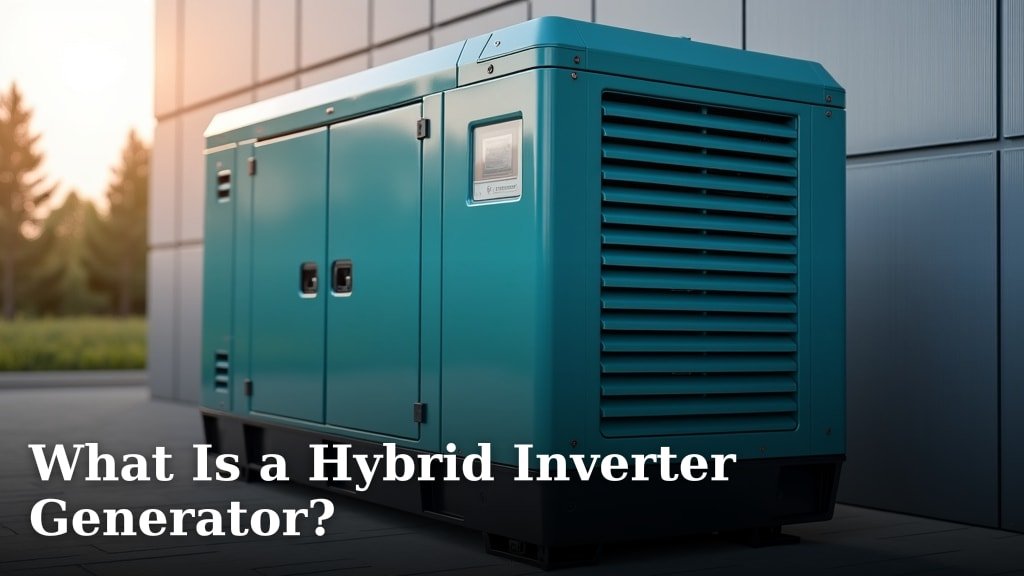
A hybrid inverter generator is a smart power backup device. It combines the features of a traditional generator and a battery backup system. This means you get reliable power when you need it, even during outages.
Think of it as having the best of both worlds for your electricity needs. It can run on fuel like gasoline, propane, or natural gas, just like a regular generator. But it also has a built-in battery to store power. This allows for quieter operation and instant power delivery. Many models can even run on solar power, making them very versatile.
- It’s a generator and battery backup in one.
- Powers your home or devices.
- Can run on fuel or solar.
- Offers quiet and instant power.
- A flexible energy solution.
So, what exactly makes a hybrid inverter generator different and how can it help you? We’ve gathered the key details to help you understand this modern power solution.
Understanding the Hybrid Inverter Generator
So, you’re curious about what exactly a hybrid inverter generator is and how it can make your life easier when the power goes out? We’ve dug into the details to bring you the clearest explanation. Think of it as a modern power superhero for your home.
Essentially, a hybrid inverter generator is a clever device that brings together two power solutions into one. It merges the power-generating capability of a traditional generator with the energy-storing power of a battery backup. This combination means you get a flexible and reliable source of electricity.
What Makes It “Hybrid”?
The “hybrid” part comes from its ability to use multiple energy sources and storage methods. Unlike a standard generator that just burns fuel, a hybrid unit can do much more. It can use fuel like gasoline, propane, or even natural gas. But it also has a built-in battery. This battery can be charged up. It can be charged by the generator itself, or even by solar panels.
This dual capability makes it a versatile power backup. You aren’t limited to just one way of getting power. If you have solar panels, you can use that clean energy. When the sun isn’t shining, or if your panels aren’t producing enough, the generator can kick in. Or, the battery can supply power until the generator is needed.
The Inverter Technology: What It Does for You
Now, let’s talk about the “inverter” part. This is a key feature that sets these generators apart. Inverter technology cleans up the electricity produced. Traditional generators often produce “dirty” power. This power can fluctuate in voltage and frequency. Think of it like a bumpy road for your electronics.
Sensitive devices like laptops, smartphones, and flat-screen TVs need clean, stable power. Dirty power can damage them or cause them to malfunction. An inverter takes the raw power from the generator (or battery) and converts it into a smooth, consistent sine wave. This is the same type of clean power you get from your wall outlets.
So, the inverter technology ensures your electronics are safe and protected. You won’t have to worry about a surge from the generator frying your expensive gadgets. This is a major advantage over older, conventional generators. It’s like having a power conditioner built right in.
How a Hybrid Inverter Generator Works
Understanding the mechanics can help you appreciate its efficiency. These generators are designed to be smart about power delivery and storage. They often prioritize using stored energy first.
The Power Flow: Step-by-Step
Let’s break down how the power usually flows. It’s a smart system designed for efficiency and convenience.
- Battery Power First: When you need electricity, the hybrid inverter generator will typically draw power from its built-in battery first. This is great because batteries operate silently. There’s no engine noise.
- Generator Kicks In (If Needed): If the battery power starts to run low, or if you’re drawing a lot of power, the generator engine will start up. It will then supply power directly to your devices. It also recharges the battery simultaneously.
- Fuel and Solar Options: You can choose how the generator engine runs. Most use gasoline, but many models also support propane or natural gas. If you have solar panels, the generator can be set up to charge the battery using solar energy. This can significantly reduce your reliance on fossil fuels.
- Smart Switching: The system automatically switches between these power sources. You don’t have to do anything manually. It’s designed to provide continuous power with minimal interruption. You might not even notice when it switches.
Fuel Efficiency and Noise Reduction
One of the biggest benefits of this hybrid approach is improved fuel efficiency. Because the generator doesn’t have to run constantly, it uses less fuel. It only runs when necessary to meet demand or recharge the battery. This saves you money on fuel costs over time.
Another major perk is reduced noise. When the battery is providing power, the generator is completely silent. Even when the engine does start, inverter generators are generally much quieter than traditional generators. Many are designed with sound-dampening enclosures. We found that noise levels can be as low as a normal conversation. This is a huge plus, especially if you live in a neighborhood with noise restrictions or simply value peace and quiet.
Key Components of a Hybrid Inverter Generator
To really grasp how these devices work, it’s helpful to know their main parts. Each component plays a vital role in delivering reliable power.
The Generator Engine
This is the part that produces raw electrical energy. It’s typically powered by gasoline, propane, or natural gas. The size and power output of the engine determine how much electricity the generator can produce. For home backup, you’ll want an engine powerful enough to run your essential appliances.
The Battery Storage System
This is the core of the “hybrid” aspect. These are usually high-capacity rechargeable batteries. They store energy from the generator or solar panels. This stored energy provides silent, instant power when you need it. The battery capacity determines how long you can run on battery power alone. Many modern units use lithium-ion batteries, which are known for their long lifespan and efficiency.
The Inverter Module
As we discussed, the inverter is crucial. It converts the DC (Direct Current) power from the battery or raw AC (Alternating Current) from the generator into clean, stable AC power for your appliances. This module ensures your electronics are safe. It’s the brain that manages the power conversion and distribution.
The Control Panel and Smart Features
Most hybrid inverter generators come with an intuitive control panel. This allows you to monitor power output, battery status, fuel levels, and run time. Many also feature smart technology. This can include remote monitoring via a smartphone app. You can often check the status of your generator from anywhere. Some even offer eco-modes. These modes optimize fuel consumption. They help reduce emissions when power demands are low.
Why Choose a Hybrid Inverter Generator?
So, why would you opt for a hybrid inverter generator over a standard generator or a separate battery backup? The benefits are quite compelling for many homeowners.
Benefits for Your Home and Peace of Mind
Let’s look at the advantages that make these units stand out: Understanding your RV air conditioner’s power needs is crucial for selecting the right generator.
- Reliable Power During Outages: This is the primary reason people invest in generators. A hybrid model ensures you have power when you need it most. You can keep essential lights, refrigerators, and medical equipment running.
- Quiet Operation: The ability to run silently on battery power is a significant advantage. It means less disturbance to you and your neighbors.
- Fuel Savings: By using stored energy and running the engine only when necessary, these generators can consume less fuel. This translates to lower operating costs.
- Lower Emissions: Reduced fuel consumption also means fewer emissions. This is better for the environment. If you use solar charging, the environmental benefits are even greater.
- Protection for Electronics: The clean sine wave power protects your sensitive electronics from damage. This is a feature often missing in older generator types.
- Versatility: The ability to run on multiple fuel types and potentially charge via solar offers flexibility. You can adapt to available resources.
Comparison: Hybrid vs. Traditional vs. Battery Backup
To really see where a hybrid shines, let’s compare it to other options.
| Feature | Traditional Generator | Battery Backup System | Hybrid Inverter Generator |
|---|---|---|---|
| Power Source | Fuel (gasoline, propane, etc.) | Stored electricity (from grid or solar) | Fuel, Battery, Solar |
| Noise Level | Loud | Silent | Silent (battery), Quieter (engine) |
| Power Quality | Can be inconsistent (dirty power) | Clean, stable power | Clean, stable power |
| Runtime | Limited by fuel supply | Limited by battery capacity | Extended by fuel/solar recharging |
| Emissions | High | None (during use) | Lower (than traditional) |
| Startup | Engine needs to start | Instantaneous | Instantaneous (battery) or quick start |
As you can see, the hybrid model aims to capture the best aspects of both traditional generators and battery backups. It offers extended runtime like a generator but with the quiet operation and clean power of a battery system. Many experts believe this type of integrated system is the future of home power resilience.
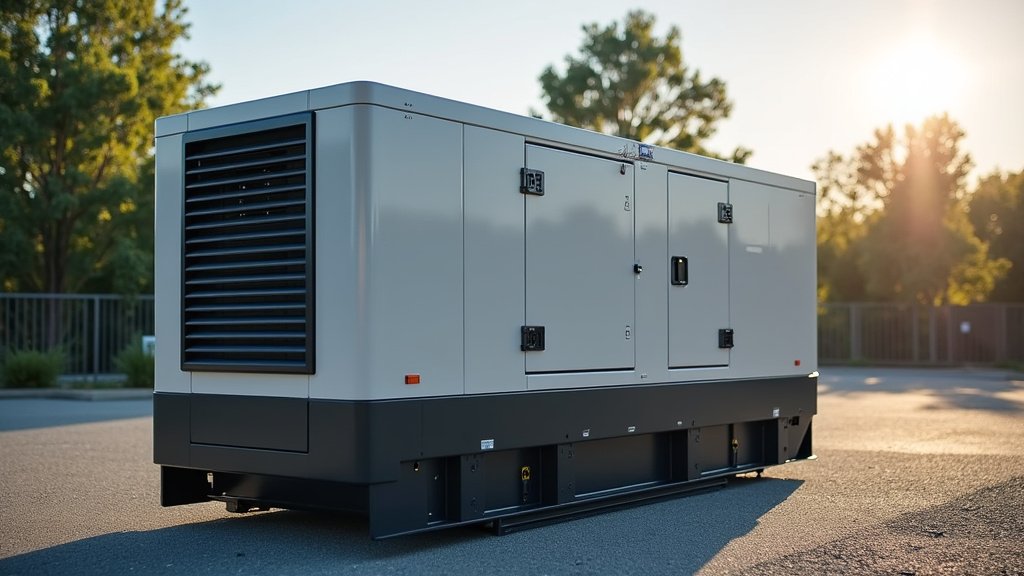
What Can You Power with a Hybrid Inverter Generator?
The amount of power you can get depends on the generator’s wattage. However, most hybrid inverter generators are designed to power a range of devices, from small electronics to essential home appliances.
Essential vs. Whole-House Powering
Many people use them to power essential circuits during an outage. This might include your refrigerator, lights, fans, a medical device, and charging stations for phones and laptops. This is often referred to as powering “essential loads.”
Larger, more powerful hybrid inverter generators can even handle whole-house backup. These can run multiple high-demand appliances like air conditioners, electric stoves, or well pumps. It’s important to calculate your power needs carefully. You can then choose a generator with sufficient wattage for your specific requirements. Many guides suggest adding up the wattage of your essential devices to determine your minimum needs (Energy.gov). To ensure you select the right model, learn how to calculate your power needs.
Getting Started with a Hybrid Inverter Generator Checklist
Ready to consider a hybrid inverter generator for your home? Here’s a quick checklist to help you think through the key steps:
- Assess Your Power Needs: List all the devices and appliances you want to power during an outage.
- Determine Wattage Requirements: Calculate the total wattage needed, considering both running and starting (surge) watts for appliances.
- Consider Fuel Options: Decide if you prefer gasoline, propane, natural gas, or a model that supports multiple fuels.
- Evaluate Battery Capacity: Think about how long you might need backup power from the battery alone.
- Check for Solar Compatibility: If you have or plan to install solar panels, ensure the generator is compatible.
- Research Brands and Models: Look into reputable brands known for reliability and customer support.
Conclusion
You’ve learned how a hybrid inverter generator cleverly combines generator power with battery storage. It offers you reliable, clean electricity. This smart system runs quietly on battery first, then uses fuel only when needed, saving you money and reducing noise. It also protects your electronics thanks to its inverter technology. If you’re looking for a flexible and efficient power backup solution, a hybrid inverter generator is a smart choice.
Your next step? Assess your home’s power needs and research models that fit your lifestyle and budget. This can give you peace of mind during any outage.
Frequently Asked Questions
Are hybrid inverter generators expensive?
Hybrid inverter generators often have a higher upfront cost compared to traditional generators. However, they can save you money in the long run through better fuel efficiency and longer lifespans. Consider it an investment in reliable and cleaner power.
Can I connect a hybrid inverter generator to my home’s electrical panel?
Yes, many hybrid inverter generators can be connected directly to your home’s electrical panel via a transfer switch. This allows you to power specific circuits or your entire home during an outage, much like a permanently installed standby generator.
How long can a hybrid inverter generator run on battery power alone?
The runtime on battery power depends on the generator’s battery capacity and the amount of power you’re drawing. Smaller loads can last for several hours, while larger loads might only last for an hour or two. It’s designed to bridge the gap until the engine starts.
Do I need solar panels to use a hybrid inverter generator?
No, solar panels are not required. The generator can function perfectly well using its fuel source and battery. However, if you have solar panels, many hybrid models can integrate with them to recharge the battery, offering an even greener power solution.
What is the maintenance like for a hybrid inverter generator?
Maintenance is similar to a traditional generator, focusing on the engine’s oil changes and filter replacements. The battery system typically requires minimal maintenance and has a long lifespan, especially lithium-ion types.
