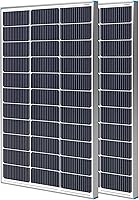
EcoFlow NextGen 220W Bifacial Solar Panel Review: Worth It? (November 2026)
The EF ECOFLOW 220W Portable Solar Panel is a strong fit for EcoFlow owners who want fast portable charging and a panel that can also catch light from behind. Pick the Renogy 200W if you need direct USB charging, or the DELTA 3 Classic bundle if you need a power station and panel together.

On this page (10 sections)
- The EcoFlow 220W panel at a glance
- Who the EcoFlow 220W panel suits
- Specs that matter in daily use
- How the adjustable angle helps
- Setup for an EcoFlow power station
- Water resistance and outdoor use
- Care, storage and transport
- Trade-offs against the alternatives here
- Alternatives in this guide
- Verdict: which one should you buy?
The EF ECOFLOW 220W Portable Solar Panel is a portable bifacial panel built for EcoFlow solar charging. This ecoflow 220w solar panel review looks at its output, angle adjustment, water resistance and the two close alternatives in this guide.
You get 220 watts of maximum power, 25% conversion efficiency and an IP68 rating. EF ECOFLOW also says the panel uses N-Type solar cells and an ETFE coating.
Those details matter if you camp, travel in an RV or keep a power station ready for outages.
The maximum power figure is a peak rating rather than a promise for every hour of the day. Sun strength, panel angle, temperature and shade will move real output up or down.
That is why the adjustment range and bifacial design deserve close attention before you compare it with a smaller panel.
Our score weighs specs, features and buyer feedback against what you are shopping for. A panel can earn a high score for output and still suit a different reader than the top bundle below.
The right choice depends on whether you already own a compatible station or need charging ports on the panel itself. For another bifacial option, see the Anker SOLIX PS400 review.
For EcoFlow owners, the appeal is straightforward portable charging with rear side capture. For other readers, the Renogy option may fit better because it adds direct USB charging.
We will look at who each panel suits, how setup works in practice and what trade offs to expect over a season of use.
The EcoFlow 220W panel at a glance
The EcoFlow 220W panel is a foldable, bifacial portable panel for EcoFlow power stations. It weighs 7 kg and measures 23.2L x 24.2W x 1.3H in.
That size makes it a carry-along panel rather than a roof panel.
EF ECOFLOW 220W Portable Solar Panel: Best for EcoFlow bifacial charging

- 220W maximum power
- Bifacial design
- IP68 waterproof rating
- 25% conversion efficiency
- Adjustable kickstand
- Foldable design
A foldable bifacial EcoFlow panel for portable charging. It suits camping, RV and road trips where rear-side light can help.
Pros
- 220W portable output
- Bifacial design can collect rear-side light
- IP68 rating for water and dust
- Adjustable angle bracket
- Foldable and portable
Cons
- No direct USB charging ports
- Rear-side gain depends on ground and setup
The included component listed for this panel is a bag. The panel uses an MC4 connector.
It produces 21.5 volts at its maximum voltage rating.
Those basics tell you a lot about daily use. The bag is the storage point between trips, so it should be part of your packing list rather than an afterthought.
Folding the panel into soft storage helps protect the surface when it shares space with other gear in a vehicle.
The MC4 connector also shapes setup for an EcoFlow power station. You will need the right cable path from panel to station, with the connection kept dry and clear of strain.
Checking the station input limit before connecting is a simple step that avoids wasted time at a campsite.
Voltage is the other detail to check before you order. A 21.5 volt maximum rating needs to sit within the range your station accepts for solar input.
If it does, you can focus on placement, angle and shade rather than compatibility worries.
Need a broader starting point first? Our guide to what is the best solar panel explains how panel type, wattage and portability fit different uses.
Read that first if you are new to portable solar and want the wider picture before choosing between these options.
Who the EcoFlow 220W panel suits
This panel suits EcoFlow owners who charge a power station outdoors. The bifacial design helps most when the rear side can face a bright surface.
Snow, pale sand, light concrete and bright gravel can reflect light upward.
It also suits campers and road trippers who need a panel that folds down. A foldable panel fits in a vehicle more easily than a rigid panel.
You can move it during the day to follow the sun.
It suits RV users who want portable power at a campsite. You can set the panel where the sun falls, even if the RV sits in shade.
That freedom is the main reason to choose portable over fixed.
It is a weaker fit if you want direct USB charging from the panel. This EcoFlow panel is made to feed a power station.
The Renogy alternative below has USB ports for direct device charging.
Specs that matter in daily use
The headline figure is 220 watts of maximum power. That is a peak rating under ideal conditions.
Real output will change with sun strength, panel angle, temperature, shade and the input limits of your power station.
Efficiency is listed at 25%. EF ECOFLOW says N-Type solar cells help reach that rate.
Higher efficiency means more power from the same panel area, which helps when space is tight.
The bifacial design is the key feature. EF ECOFLOW says the dual-sided design can collect up to 28% more energy.
Treat that as a best-case figure. Dark soil, grass, covered ground or a panel laid flat will give less rear-side help.
Voltage matters for matching. This panel is listed at 21.5 volts maximum voltage.
Check that figure against your power station's solar input range before you connect it. A mismatch can limit charging or prevent a safe connection.
How the adjustable angle helps
EF ECOFLOW gives the panel a 30-60° adjustable angle bracket. It also has an integrated solar angle guide.
The goal is simple: keep sunlight hitting the panel close to a 90° angle.
You can use that guide each morning and again after lunch. Small angle changes can help when the sun moves across the sky.
A panel left in one fixed position all day will rarely stay perfectly aimed.
The kickstand design also helps on uneven ground. You can raise the rear edge, tilt the panel and set it on soil, grass or a campsite pad.
Make sure the stand legs sit firmly before you walk away.
For a wider view of portable options, see our Best Solar Panel For Camping guide. It helps you compare foldable panels by use case rather than wattage alone.
Setup for an EcoFlow power station
Set the panel in direct sun with no shadow on any cell. Even partial shade can reduce output from a section of the panel.
Check for shadows from tents, vehicles, trees and camp chairs.
Unfold the panel fully and set the kickstand. Aim the front at the sun, then use the angle guide to adjust between 30 and 60 degrees.
Place the rear side where reflected light can reach it.
Connect the panel to your EcoFlow power station using the correct cable and connector. This panel uses MC4.
Confirm the station input first, then make the connection with dry hands.
Keep the cable run as short as practical. A long cable across a campsite can become a trip hazard.
Lay it along a clear edge and avoid sharp bends or pinching points.
Water resistance and outdoor use
EF ECOFLOW gives this panel an IP68 rating. The brand says that rating protects against water and dust.
It also says the ETFE coating helps the panel resist harsh weather conditions.
That makes the panel a sensible choice for rain, dust and outdoor travel. You should still avoid letting connectors sit in puddles.
Water resistance on the panel does not mean every cable joint is safe to submerge.
If you want to know how EcoFlow panels handle wet conditions in more detail, our guide on ecoflow solar panels waterproof breaks down what the rating does and does not cover.
Dry the panel with a soft cloth after wet use. Let it air dry before folding it away.
That habit helps prevent moisture from sitting in folds or around the frame.
Care, storage and transport
Fold the panel only when it is clean, dry and cool. Dirt left on the surface can reduce light pickup and may scratch the coating during folding.
A soft cloth and clean water are enough for routine cleaning.
Store it flat or in its bag when you can. Avoid stacking heavy gear on top of it.
The panel has tempered glass and ETFE, but repeated pressure on folded sections can still cause damage.
Check the hinges, kickstand and cable points before each trip. Look for loose fittings, cracked edges or worn cable insulation.
Small issues are easier to fix at home than at a remote campsite.
Keep the panel out of direct heat when stored. A hot vehicle boot can stress materials over time.
If space allows, store it in shade and keep it separated from sharp objects.
Trade-offs against the alternatives here
The EcoFlow panel gives more watts than the Renogy option. It also has the bifacial feature and an IP68 rating.
Its main trade-off is focus: it is built around EcoFlow charging rather than direct device charging.
The Renogy 200W panel has USB-C PD 45W and dual USB-A ports. That makes it handy for phones, tablets, laptops, GPS units and cameras.
The EcoFlow panel does not list direct USB ports.
The DELTA 3 Classic bundle is a different purchase. It includes a 1024Wh power station plus the 220W panel.
If you already own a station, the panel alone is the cleaner buy.
For station-specific pairing, compare the best ecoflow solar panels before you choose a panel wattage. Your station's input limit matters more than the highest panel number.
Alternatives in this guide
Renogy 200W Portable Solar Panel for Power
The Renogy panel is listed at 200 watts with 25% efficiency. It weighs 13.89 lb and folds to 23.72 x 22.99 x 1.97 in.
It also has four kickstands with 40°, 50° and 60° angles.
It lists compatibility with Jackery Explorer 1000 v2, EcoFlow DELTA 3, DELTA 3 Max and RIVER 3 Max, plus Anker SOLIX S2000 and other models that meet the requirements. The 4-in-1 adapter is sold separately, and output is MC4 only for station charging.
RENOGY says the panel is UL 61730 certified. It also lists CE, RoHS, FCC, CA65, PSE and ISO 9001 claims.
If direct USB charging matters to you, this is the alternative to study.
A broader station-focused roundup is our Best Solar Panel For Power Station guide. Use it when you want to compare panel types across brands.
EF ECOFLOW Solar Generator Delta 3 Classic
The DELTA 3 Classic bundle includes the DELTA 3 Classic and the 220W Solar Panel. EF ECOFLOW says the station and panel will arrive separately.
If one item arrives first, wait for the remaining item.
The station delivers 1800W output with 3600W surge and X-Boost technology. EF ECOFLOW says it can expand up to 2600W with X-Boost for heavier loads.
It also lists 0-80% in 45 minutes with X-Stream AC charging.
For solar charging, EF ECOFLOW says the station can recharge in 5.8 hours with a 220W solar panel. The battery uses LiFePO4 cells rated for 10+ years of daily use.
It also has a <10ms UPS function for sensitive electronics.
If you already own a station, skip the bundle. If you own nothing and want power plus a panel in one purchase, this is the simplest route.
Verdict: which one should you buy?
Buy the EF ECOFLOW 220W Portable Solar Panel if you own an EcoFlow power station and want a portable bifacial panel for charging. Its 220W output, 25% efficiency, IP68 rating and 30-60° adjustment make it the best match for that job.
Buy the Renogy 200W if you want to charge small devices directly through USB ports. Buy the DELTA 3 Classic bundle if you need a station and panel together and you can wait for separate deliveries.
For DELTA 3 owners, the next step is our guide to the best EcoFlow DELTA 3 solar panels. For DELTA 2 owners, compare the best solar panel for EcoFlow DELTA 2 before you order.
Frequently asked questions
Is the EcoFlow 220W panel waterproof?
EF ECOFLOW gives the 220W Portable Solar Panel an IP68 rating. That rating covers water and dust exposure for the panel itself.
You should still protect connectors and cables from standing water, and check the manual for the exact limits before leaving the panel in rain.
What does bifacial mean on this panel?
Bifacial means the panel can collect light on both sides. The front faces the sun directly.
The rear can catch reflected light from bright ground, snow, sand or a light surface.
EF ECOFLOW says the dual-sided design can collect up to 28% more energy in suitable outdoor settings.
Which power station should I pair with the EcoFlow 220W panel?
EF ECOFLOW says the panel is for use with an EcoFlow power station. Check your station's solar input limits before you connect it.
If you are comparing models, read about the best solar panel for EcoFlow DELTA 2 and the best EcoFlow DELTA 3 solar panels to see which inputs and wattages fit each station.
Is the Renogy 200W or the EcoFlow 220W better for camping?
The Renogy 200W suits camping when you want direct USB charging for phones, tablets and laptops. The EcoFlow 220W suits camping when your main goal is charging an EcoFlow power station and you want bifacial rear-side capture.
Choose by how you plan to charge, not by wattage alone.