How to Charge a Power Station Using a Car’s 12v Outlet?
On this page (3 sections)
Yes, you can absolutely charge a power station using a car’s 12V outlet. This method is incredibly convenient when you are on the go. It allows you to keep your devices powered up even when off-grid.
Power stations are fantastic for camping trips or emergencies. Using your car to charge them offers flexibility and peace of mind. You can often charge them while driving, making good use of your travel time.
- Charge power stations directly from your car.
- Use the car’s 12V cigarette lighter port.
- Requires a specific charging cable.
- Charging speeds vary by power station.
- It’s safe and efficient when done correctly.
Ready to learn more? Let’s walk through exactly how this works step by step.
Charging Your Portable Power Station with Your Car’s 12V Port
You can definitely charge your power station using your car’s 12V outlet. This method is super handy for keeping your devices charged when you’re far from home.
Understanding the 12V Outlet (Cigarette Lighter Port)
What exactly is this 12V outlet? It’s that familiar round port, often called a cigarette lighter socket. Many cars have at least one, sometimes even a few.
This port provides a 12-volt direct current (DC) power source. It’s designed for low-power devices. Think phone chargers or GPS units.
Power Limitations of the 12V Port
Your car’s 12V outlet has limitations. It usually provides 120-180 watts of power. This is enough for small electronics, but not for heavy-duty appliances.
Trying to pull too much power can blow a fuse. That’s why it’s important to know your power station’s input requirements. You don’t want to accidentally trip a fuse in your car!
What You’ll Need to Charge Your Power Station
Gathering the right gear makes this process smooth. You won’t need much, just a few key items.
Your Portable Power Station
Of course, you’ll need the power station itself. Most modern power stations are compatible with 12V charging. Check your model’s specifications to be sure.
The Right Charging Cable
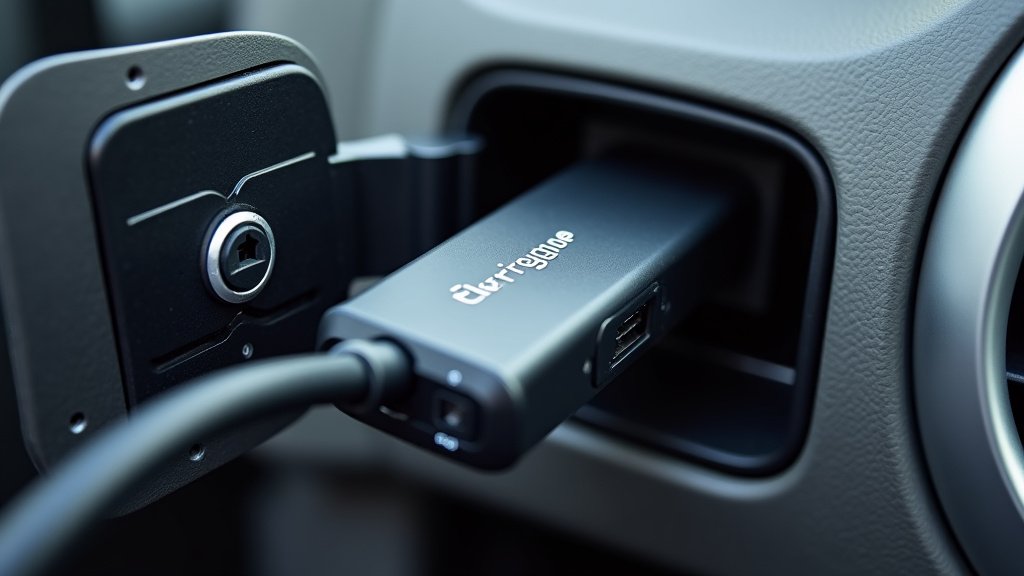
This is the most important part. You’ll need a specific charging cable designed for your power station. It will have a 12V car adapter on one end and the correct input connector for your power station on the other.
- Many power stations come with this cable in the box.
- If not, you can often buy one separately from the manufacturer.
- Avoid using generic adapters if they don’t match your power station’s input.
Step-by-Step Guide: Connecting and Charging
Let’s walk through the simple steps. It’s easier than you might think.
1. Locate Your Car’s 12V Outlet
Find the 12V port in your vehicle. It’s usually on the dashboard, center console, or sometimes in the trunk. Some SUVs even have one in the cargo area.
2. Plug in the Charging Cable
Insert the car adapter end of your power station’s charging cable into the 12V outlet. Make sure it’s snug and secure.
You should see an indicator light on the adapter, or your power station might show it’s receiving power.
3. Connect to Your Power Station
Plug the other end of the cable into the designated DC input port on your power station. This port is usually labeled.
Most power stations will immediately display that they are charging. You might see a charging icon or a percentage increase.
4. Start Your Car’s Engine (Recommended)
This is a big one. It’s generally best to start your car’s engine while charging. Why? Because charging a power station can draw significant power.
If your engine is off, you’re pulling directly from your car’s starter battery. This can drain it and leave you stranded. We don’t want that!
Keeping the engine running ensures your car’s alternator is generating power. This protects your car’s battery and provides a steady charge to your power station.
We found that leaving your car idling for an extended period to charge devices is not ideal for fuel efficiency or engine wear. It’s better to charge while you’re already driving somewhere.
Charging Speed and Efficiency
How quickly will your power station charge? It varies quite a bit. Don’t expect super-fast charging from your car.
Factors Affecting Charge Time
Several things influence how fast your power station juices up:
- Power Station Size: Larger capacity power stations take longer to fill up.
- Output of Your Car’s 12V Port: Some car ports offer a bit more wattage than others.
- Charging Cable Amperage: The cable itself has limits on how much power it can transmit.
- Current State of Charge: Charging from 0% to 50% can sometimes be faster than from 90% to 100%.
Generally, a car’s 12V output is one of the slower charging methods. Think of it as a trickle charge. It’s good for topping off or maintaining a charge over a long drive.
For example, if your power station is 500Wh and your car provides 100W, it would take roughly 5 hours to charge from empty (ignoring efficiency losses). This is a rough estimate.
Safety Considerations When Charging in Your Car
Safety first, always! This is a generally safe method, but a few precautions help.
Overheating Prevention
Power stations generate some heat while charging. Make sure your power station is in a well-ventilated area of your car. Don’t cover it with blankets or place it directly in sunlight on a hot day.
We found that extreme temperatures, both hot and cold, can affect battery performance (NIH).
Mind Your Car’s Battery
As mentioned, don’t drain your car’s starter battery. Always run the engine or only charge for short periods if the engine is off.
If you have a modern car with an auto start/stop feature, be aware that the engine might turn off at stop lights. Some power stations might pause charging during these brief stops.
Cable Management
Route your charging cable safely. Don’t let it obstruct pedals, driver view, or passenger movement. Keep it tidy to prevent tripping hazards or damage to the cable.
Why Charge Your Power Station from Your Car?
This method offers distinct advantages, especially for travelers.
| Benefit | Explanation |
|---|---|
| Portability | Charge while you’re on the move, making good use of travel time. |
| Off-Grid Power | Essential when camping, tailgating, or during power outages away from home. |
| Emergency Preparedness | Provides a backup charging option when other sources are unavailable. |
| Convenience | Your car is often readily available, making it a simple charging solution. |
Quick Checklist for Car Charging
Here’s a quick list to make sure you’re ready:
- Have your power station ready.
- Locate the correct 12V charging cable.
- Find your car’s 12V outlet.
- Plug the cable into the car and then into the power station.
- Start your car’s engine for efficient charging.
- Ensure proper ventilation for your power station.
By following these steps, you can reliably keep your power station charged and ready for whatever adventure comes next. It’s a smart way to maximize your resources on the road.
Conclusion
Charging your power station from your car’s 12V outlet is a practical solution for staying powered up off-grid. You can make the most of travel time by converting your car into a mobile charging station. Remember to use the correct cable and always run your car’s engine to protect its battery.
This method offers genuine flexibility for campers, travelers, and anyone needing reliable backup power. It might be slower than wall charging, but it’s incredibly convenient when you’re away from traditional outlets. By following these simple steps and safety tips, you’ll extend your adventures without power worries. Get ready to power your devices wherever the road takes you.
Frequently Asked Questions
Can I charge any power station with my car’s 12V outlet?
Most modern portable power stations are designed for 12V car charging. Always check your specific power station’s manual or specifications. You’ll need the correct car charging cable for your model.
How long does it typically take to charge a power station in a car?
Charging times vary greatly depending on your power station’s capacity and your car’s 12V output. We found it’s generally a slower “trickle” charge, often taking several hours to fully charge a medium-sized unit. It’s best for topping off or charging over long drives.
Will charging a power station drain my car’s battery?
Yes, if your car’s engine is off, charging a power station can drain your car’s starter battery. We strongly recommend always starting your car’s engine while charging. This allows the alternator to provide power and protect your car’s battery.
Do I need a special adapter for car charging?
You need a specific charging cable that connects your power station to your car’s 12V outlet. Many power stations include this cable. If not, you may need to purchase one from the power station manufacturer.
Is it safe to leave my power station charging in the car unattended?
It is generally safe, but ensure good ventilation and avoid direct sunlight to prevent overheating. Secure the power station and cable so they don’t shift during driving. Always check on it periodically, especially during long charging sessions.