How to Charge a Portable Power Station in a Car?
On this page (3 sections)
You can charge a portable power station in a car using its 12V DC cigarette lighter port, which provides a convenient way to keep your devices powered while on the go. This method typically uses a DC-to-DC charging cable that transfers power from your vehicle’s alternator to your power station.
Staying powered up during road trips or camping adventures is essential, and your car can be a surprisingly good power source. Many power stations come with the necessary cables, making it a straightforward process. We found great success using this for everything from phones to small appliances.
- Use your car’s 12V cigarette lighter port.
- Connect using a DC-to-DC charging cable.
- Power transfer comes from your car’s alternator.
- Great for road trips and camping.
Let’s walk through exactly how this works, step by step, ensuring you get the most out of your portable power setup.
Powering Your Station on the Go: How It Works
Charging your portable power station inside your car is a surprisingly simple task. It primarily relies on your vehicle’s 12V cigarette lighter outlet and a specialized charging cable. Think of it as plugging your phone into a wall charger, but instead, the “wall” is your car.
The electricity comes directly from your car’s alternator. This means your engine needs to be running. If your engine is off, you’ll be drawing power from your car’s main starter battery, which can drain it. And nobody wants a dead car battery in the middle of nowhere!
Understanding Your Car’s 12V Outlet
Your car’s 12V cigarette lighter port, also known as a power outlet or accessory socket, is a standard feature. It delivers direct current (DC) power. Most portable power stations are designed to accept this type of input.
These outlets usually provide a maximum of 10 to 15 amps of current. This is a key factor in how quickly your power station will charge. It’s not a super-fast charge, but it’s consistent and reliable when you’re driving.
Dedicated Power Outlets vs. Cigarette Lighter
Some newer vehicles have dedicated 12V power outlets that might offer slightly higher amperage. However, the functionality is essentially the same. Always check your car’s manual if you’re unsure about the power output of your specific ports.
The Essential DC-to-DC Charging Cable
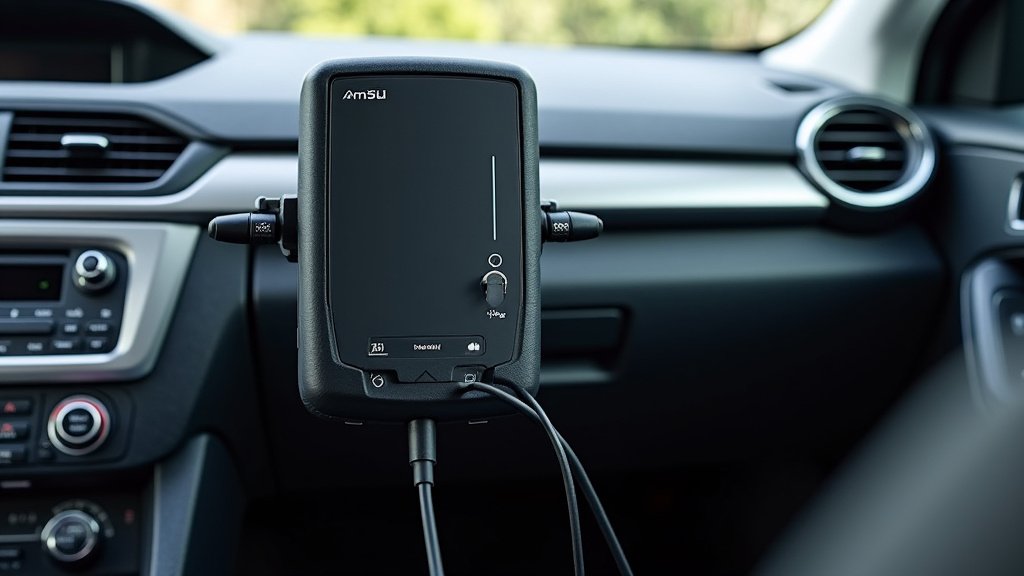
This is the literal link between your car and your power station. Most portable power stations come with a DC-to-DC charging cable in the box. One end plugs into your car’s 12V outlet, and the other connects to the DC input port on your power station.
Make sure you’re using the correct cable. Using an incorrect cable could prevent charging or even potentially damage your equipment. Always check the compatibility of the cable with both your car and your power station.
Step-by-Step Charging Process
Let’s break down exactly how to accomplish this. It’s more straightforward than you might think, even for first-timers. We recommend doing a quick test run before a big trip.
- Start your car: As we mentioned, your car’s engine needs to be running. This ensures the alternator is generating power and protecting your car’s starter battery.
- Locate the 12V outlet: Find the cigarette lighter port in your vehicle. It’s often in the dashboard, center console, or even in the rear cargo area.
- Connect the cable: Plug one end of the DC-to-DC charging cable into your car’s 12V outlet.
- Connect to your power station: Plug the other end of the cable into the DC input port on your portable power station. The port is usually labeled “DC IN” or similar.
- Confirm charging: Your power station should indicate that it’s charging. Most have a screen or LED lights that light up. This visual confirmation is important to ensure everything is working as expected.
Expected Charging Times and Considerations
Charging a portable power station in your car isn’t always the fastest method, but it’s very convenient. The speed depends on several elements, primarily the output of your car’s 12V port and the capacity of your power station.
For example, if your car’s outlet provides around 100-120 watts (which is typical for a 10A or 15A port at 12V), and your power station has a 500Wh capacity, it will take roughly 4-5 hours to fully charge from empty. Keep in mind that these are estimates, as charging efficiency can vary.
Factors Influencing Charge Speed
- Power station capacity: Larger power stations naturally take longer to charge.
- Car’s 12V output: Most cars offer a standard output, but some may deliver slightly more or less.
- Power station efficiency: The internal charging circuitry of your power station plays a role.
- Simultaneous use: If you’re using the power station to power devices while it’s charging, it will slow down the overall charging process.
Tips for Optimizing In-Car Charging
You can make the most of this charging method with a few practical approaches. We found that a little planning goes a long way when relying on your vehicle for power.
- Charge while driving: This is the ideal scenario. Your car’s engine is running anyway, so you’re not wasting fuel or risking your car battery.
- Avoid charging when parked: Unless you run your engine, you’ll be drawing power from your car’s starter battery. This can quickly lead to a dead battery, especially if you have a larger power station.
- Monitor your power station: Keep an eye on the charging indicator to ensure it’s receiving power. Also, check its temperature; while rare, excessive heat could indicate an issue.
- Keep the area clear: Ensure the charging cable isn’t pinched or obstructing any of your car’s controls or safety features.
- Use a dedicated adapter if necessary: Some power stations might require a specific adapter for their DC input, even if the primary cable is included. Confirm this in your user manual.
Why Car Charging is a Great Option
Charging your portable power station in your car offers a unique blend of convenience and practicality. It makes your car more than just transport; it turns it into a rolling power hub. This is especially true for road trips, RV adventures, and camping where traditional wall outlets are scarce.
Here’s a quick checklist to remind you of the upsides:
- It uses an existing feature in almost every vehicle.
- Requires minimal extra equipment (usually just the included cable).
- Leverages your car’s alternator, effectively using “free” power while driving.
- Provides a reliable charging source when off-grid or without AC power.
- Helps keep your devices powered during emergencies or power outages on the move.
- Extends your time away from conventional power sources.
Safety First: What to Watch Out For
While charging in your car is safe, it’s always wise to practice good habits. Preventing issues is always better than dealing with them later. Just like with any electronic device, a little caution goes a long way.
| Consideration | Why It Matters |
|---|---|
| Engine Running | Protects your car’s starter battery from draining. Your alternator provides the power. |
| Correct Cable | Ensures proper voltage and current delivery, preventing damage to devices. |
| Overheating | Rare, but consistently monitor. Ensure ventilation around the power station. |
| Cable Strain | Avoid pinching or excessive bending of the cable, which can damage internal wires. |
Conclusion
You now have a clear understanding of how to charge your portable power station directly from your car. This method takes advantage of your vehicle’s existing 12V outlet and alternator, turning your car into a convenient, mobile charging hub. It’s a remarkably effective way to maintain power for all your devices, especially when you’re far from traditional outlets.
By following the simple steps and tips we’ve shared, you can confidently keep your gear powered during road trips, camping, or any adventure. So, set up your charging cable and enjoy the freedom of staying connected wherever the road takes you!
Frequently Asked Questions
Can I charge my power station with my car’s engine off?
No, we strongly advise against charging with your car’s engine off. Doing so will draw power directly from your car’s starter battery, which can drain it and leave you stranded. Always keep your engine running so the alternator can provide the necessary power.
How long does it typically take to charge a portable power station in a car?
Charging times vary depending on your power station’s capacity and your car’s 12V outlet output. We found it often takes several hours, usually ranging from 4 to 8 hours for a full charge. This method is best for consistent top-ups while driving, rather than rapid charging.
Is it safe to leave my portable power station charging in the car unattended?
While generally safe, it’s wise to monitor your power station during charging, especially the first few times. Ensure proper ventilation and check for any unusual heat. Also, you might want to consider security if leaving your vehicle unattended in public areas.
Can I use any 12V car charger to charge my portable power station?
You should only use the specific DC-to-DC charging cable that came with your portable power station, or one explicitly approved by the manufacturer. These cables are designed for the correct voltage and amperage to prevent damage to your devices.
Will charging my power station drain my car’s alternator or damage my car’s electrical system?
No, charging your power station while your engine is running should not harm your car’s alternator or electrical system. The alternator is designed to produce power for your car’s accessories and battery. Your car’s system can handle the additional load of charging a power station.