
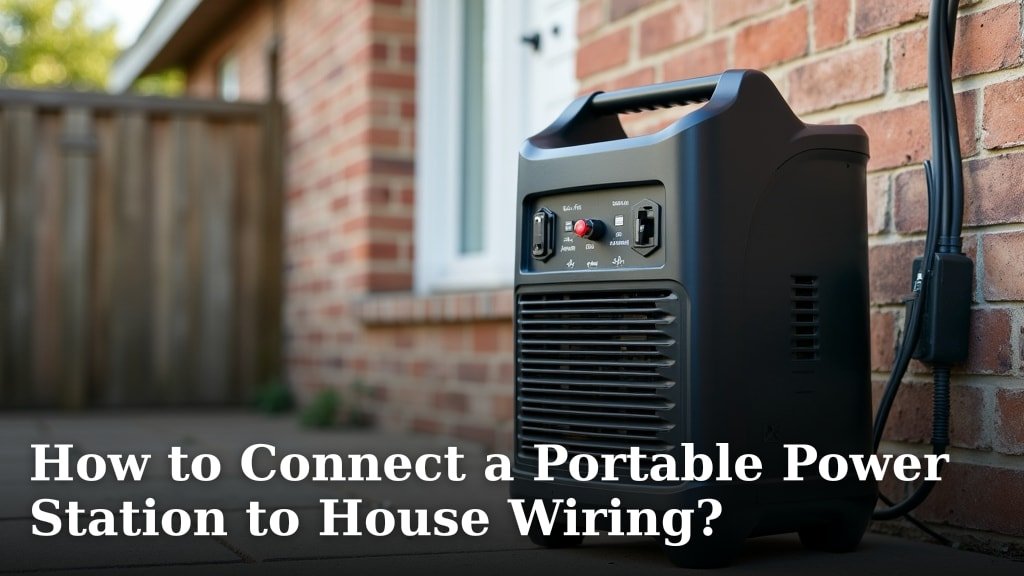
Connecting a portable power station to your house wiring requires specific safety steps and the right equipment. You can absolutely power parts of your home, but it’s vital to do it correctly to avoid hazards. The safest method involves using a manual transfer switch installed by a licensed electrician.
You want reliable backup power when the grid goes down, right? A portable power station can be a great option for this. However, Our guide on how to use a camping power station for home backup offers more insights into achieving reliable backup power.direct connection to your home’s electrical panel can be dangerous without proper isolation. We found that understanding your home’s electrical system is key to a safe and effective setup.
- Safely connect a portable power station.
- Understand transfer switch requirements.
- Identify essential safety precautions.
- Learn about professional installation.
Let’s walk through exactly how to safely connect a portable power station to house wiring, ensuring your peace of mind.
Connecting Your Portable Power Station to Home Electrical Systems
Safely integrating your portable power station with your home’s wiring is possible. This section guides you through the essential steps and safety measures. You can enjoy the convenience of backup power directly through your outlets.
Understanding the Risks: Why Proper Connection is Critical
Connecting a power source to your home’s electrical system improperly is very dangerous. You risk damaging appliances, harming yourself, or even starting a fire. We found that understanding “backfeeding” is key to avoiding these dangers.
The Danger of Backfeeding
Backfeeding happens when you send electricity from a portable power source back into the utility grid. This occurs if your power station is connected without proper isolation. Utility workers assume power lines are dead during an outage. If your power station backfeeds, those lines become live and extremely hazardous. This puts lives at risk.
It’s like trying to drive the wrong way on a highway. The system isn’t designed for it. Many electrical safety codes, including those from the National Electrical Code (NEC), strictly prohibit backfeeding. This is why proper safety devices are not optional.
The Safest Solution: A Manual Transfer Switch
A manual transfer switch is the recommended and safest way to connect your portable power station. It ensures your home is completely disconnected from the grid before the power station takes over. This eliminates the risk of backfeeding.
Think of it as a gatekeeper for your home’s electricity. It allows only one power source to flow into your home at a time. You manually flip a switch to change between utility power and your power station. It’s a simple, effective, and code-compliant solution.
How a Manual Transfer Switch Works
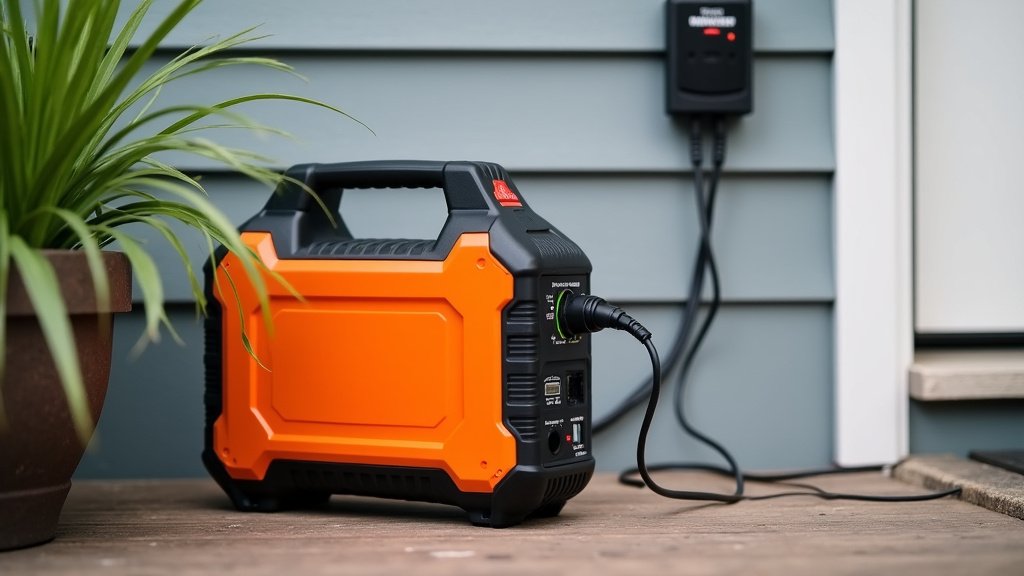
When the power goes out, you plug your power station into a special inlet box outside your home. This inlet connects to the transfer switch. The switch itself is usually mounted near your main electrical panel. You then manually switch from “utility” to “generator” mode. This action physically isolates your home from the grid. Now, your power station can safely supply power to specific circuits you’ve chosen. When utility power returns, you simply reverse the process: switch back to “utility” and unplug your power station.
This method ensures zero chance of backfeeding. It’s why electrical professionals universally recommend it. You get peace of mind knowing you’re protecting your family and utility workers.
Professional Installation is Key
Installing a manual transfer switch involves working with your home’s main electrical panel. This is a job for a licensed electrician. They understand the wiring, local codes, and necessary safety precautions. Trying to install it yourself could lead to serious injury or electrical hazards.
An electrician will help you select the right size transfer switch for your needs. They will also ensure it’s correctly wired to the circuits you want to power. This ensures your system is not only safe but also efficient and compliant (National Fire Protection Association).
Choosing the Right Equipment for Your Setup
Beyond the power station itself, you’ll need a few specific items. Each piece plays a critical role in safety and functionality. We found that investing in quality equipment upfront saves trouble later.
Required Components
- Portable Power Station: Ensure it has enough wattage for your essential items. Our guide on what size power station you need for home backup can help you determine enough wattage for your essential items.
- Manual Transfer Switch: Sized for your home’s electrical needs and the circuits you plan to power.
- Outdoor Inlet Box: This is where you plug your power station into your house. It needs to be weather-resistant.
- Generator Cord (Power Inlet Cord): A heavy-duty cord that connects your power station to the inlet box. Make sure it has the correct plugs for both ends.
- Circuit Breakers: Sometimes included with the transfer switch, these protect your selected circuits.
Power Station Output Types Explained
Portable power stations come with various outlets. Understanding these helps you choose the right inlet box and cord. Most transfer switches use a L14-30R or L5-30R receptacle type for the inlet box. Your power station needs an output that matches.
| Output Type | Voltage / Amperage | Common Use |
|---|---|---|
| Standard 120V (e.g., NEMA 5-15R) | 120V / 15A | Everyday household appliances, small electronics. |
| RV/Generator Style (e.g., NEMA TT-30R) | 120V / 30A | Recreational vehicles, some smaller generators. |
| Twist-Lock (e.g., NEMA L5-30R) | 120V / 30A | More secure connection, common for generators. |
| Twist-Lock (e.g., NEMA L14-30R) | 120V/240V / 30A | Provides both 120V and 240V power, ideal for larger homes or appliances. |
Check your power station’s specifications carefully. You want a matching cord and inlet box for its most powerful output. This ensures you can utilize its full capacity.
The Connection Process: A Step-by-Step Guide (with a Professional)
While an electrician handles the installation, you need to understand the process. This helps you communicate your needs and ensures everything is set up correctly. We found that being informed helps you ask the right questions.
Before the Outage: Installation by an Electrician
- Consultation: Your electrician helps you identify essential circuits (fridge, lights, furnace fan, well pump). They calculate the total wattage needed.
- Transfer Switch and Inlet Box Placement: The electrician mounts the transfer switch near your main panel. The inlet box goes outside, close to where you’ll place your power station.
- Wiring: They carefully wire the inlet box to the transfer switch, and the transfer switch to the chosen circuits in your main panel. This involves cutting power to your home.
- Testing: Once installed, the electrician tests the system to confirm it functions safely and correctly. They will explain how to operate it.
During an Outage: Your Role
- Turn Off Main Breaker: This is crucial. Your electrician will show you where it is. Flipping the main breaker completely disconnects your home from the utility grid.
- Start Your Power Station: Follow your power station’s instructions to start it up. Ensure it’s running smoothly.
- Connect the Power Inlet Cord: Plug one end of your heavy-duty cord into your power station’s output. Plug the other end into the outdoor inlet box.
- Engage the Transfer Switch: Go to your manual transfer switch. Move the switch from “utility” to “generator” or “power station” mode.
- Turn On Selected Circuits: Flip on the individual circuit breakers on the transfer switch for the circuits you want to power. Don’t turn on all of them at once. Start with essential loads.
- Monitor Usage: Keep an eye on your power station’s load display. Do not exceed its rated output.
When Power Returns
- Turn Off Circuits: Flip off the individual circuit breakers on the transfer switch.
- Disengage Transfer Switch: Move the transfer switch back to “utility” mode.
- Unplug Power Station: Disconnect the power inlet cord from the inlet box and your power station.
- Shut Down Power Station: Turn off your portable power station.
- Turn On Main Breaker: Restore utility power to your home by flipping your main breaker back on.
Following these steps ensures a smooth and safe transition between power sources. Your electrician will walk you through these steps during installation.
Important Safety Precautions: Don’t Skip These!
Your safety is paramount. We found that most electrical accidents during outages stem from ignoring basic precautions. Treat electricity with respect.
- Never backfeed: This is the golden rule. Always use a transfer switch or interlock kit.
- Run power stations outdoors: Never operate a gas or propane power station inside your home or garage. Carbon monoxide is odorless and deadly.
- Keep power stations dry: Protect your unit from rain and snow. Use a cover or place it under an open shelter.
- Use proper cords: Only use heavy-duty, outdoor-rated extension cords that are correctly sized for the load.
- Perform regular maintenance: Check your power station and cords for damage before each use.
- Have CO detectors: Install carbon monoxide detectors in your home, especially if you have a fuel-powered power station outside.
Following these rules keeps your family safe and your home protected. Remember, an emergency power setup is only good if it’s safe to use (Occupational Safety and Health Administration).
Conclusion
Connecting a portable power station to your home wiring is a smart move for backup power, but safety must be your top priority. You’ve learned why backfeeding is dangerous and how a manual transfer switch, installed by a professional, eliminates this risk. We found that investing in the right equipment and following strict safety protocols ensures your family’s well-being.
Don’t cut corners when it comes to electrical work. Your peace of mind, and the safety of utility workers, depends on it. Contact a licensed electrician today to discuss installing a manual transfer switch for your home.
Frequently Asked Questions
Can I use a generator interlock kit instead of a transfer switch?
Yes, you can. An interlock kit is another approved method to prevent backfeeding. It physically prevents your main breaker from being on at the same time as the breaker feeding power from your portable power station. Your electrician can help you choose between an interlock kit and a manual transfer switch.
What size portable power station do I need to power my house?
The size you need depends on what you want to power. First, list your essential appliances like your refrigerator, some lights, and perhaps a furnace fan. Add up their running watts and starting watts. We found that most homes need a power station with at least 3000-5000 running watts for basic necessities.
Can a portable power station power 240V appliances?
Some larger portable power stations do have 240V outputs, often using a NEMA L14-30R receptacle. If your essential 240V appliances (like a well pump or central AC) are critical during an outage, choose a power station specifically designed for this. Remember, your transfer switch setup must also be rated for 240V.
Is it legal to connect a portable power station to my house wiring?
Yes, it is legal when done correctly and safely. This means using an approved method like a manual transfer switch or interlock kit, which prevents backfeeding. Also, ensure the installation complies with local electrical codes and is performed by a licensed electrician. Incorrect connection methods are illegal and extremely dangerous.
How long can a portable power station power my home?
The run time depends on the power station’s battery capacity (measured in Watt-hours) and the load you put on it. The less power you draw, the longer it will last. For example, a 2000Wh power station running appliances that draw 200W might last about 10 hours. Manage your loads to extend run time, and consider recharging options like solar panels.
