
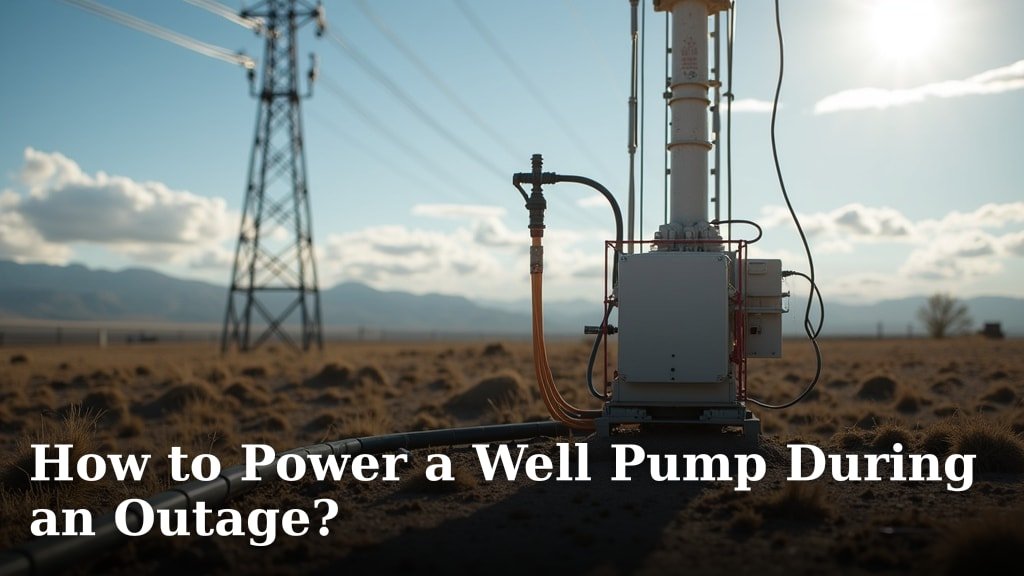
You can power your well pump during an outage using a portable generator or a battery backup system. This ensures you still have access to water when the main power grid fails. It’s a smart way to stay prepared for unexpected power interruptions.
Having a backup power source for your well pump is more than just a convenience. It’s about maintaining a basic necessity, especially in rural areas. Many homeowners research options to ensure they’re never without running water. We found that the most common methods involve external power supplies.
- Use a portable generator.
- Consider a battery backup system.
- Ensure proper sizing for your pump.
- Always follow safety guidelines.
Let’s walk through exactly how you can keep your well pump running when the power goes out.
“`htmlKeeping Water Flowing: Powering Your Well Pump During an Outage
Losing power can be a real headache, especially when it affects your water supply. Your well pump needs electricity to do its job. Without it, no water comes out of your taps. Fortunately, you have options to keep that essential water flowing. We’ve looked into the best ways to ensure your well pump stays operational during a power outage.
This guide will walk you through powering your well pump. We’ll cover the most popular and effective solutions. You’ll learn about the pros and cons of each. Plus, we’ll touch on what to consider when choosing a backup power source for your specific needs.
Understanding Your Well Pump’s Power Needs
Before you think about backup power, you need to understand your pump. Well pumps come in different types. They also vary in their power requirements. Knowing these details is key to choosing the right backup solution.
Types of Well Pumps
Most homes use either a submersible pump or a jet pump. Submersible pumps sit down inside the well. Jet pumps are typically located above ground. Both need a steady supply of electricity to push water to your home.
Calculating Wattage Requirements
Your well pump has a specific wattage rating. This tells you how much power it needs to start and run. Pumps often require more power to start than to continue running. This is called “surge wattage” or “starting wattage.” You’ll also need to consider the “running wattage.” Understanding surge wattage is critical for selecting a backup power source, and this guide explains how to size a portable power station.
It’s important to match your backup power source to these requirements. Undersizing can lead to the pump not starting or being damaged. Oversizing isn’t necessarily bad, but it can be more expensive. You can usually find the pump’s specifications on its label or in its manual.
If you’re unsure, consult a well professional. They can help you determine the exact wattage your pump needs. Many experts say this step is critical for a successful backup power setup (National Ground Water Association).
Option 1: Portable Generators
A portable generator is a common and often cost-effective solution. It can provide power not just to your well pump but also to other essential appliances.
How Generators Work for Your Pump
Portable generators create electricity through an engine. You fuel the generator, start it up, and plug your pump into it. You’ll need a way to connect the generator to your pump’s power supply. This usually involves a transfer switch or direct connection.
Direct Connection (Use with Caution)
In a pinch, you might be able to disconnect your pump from the grid power and plug it directly into the generator. This requires careful planning and understanding of your electrical system. You must ensure the generator is properly grounded. It’s generally safer to use a transfer switch.
Using a Transfer Switch
A transfer switch is a safety device. It allows you to switch power sources between the grid and your generator. There are manual and automatic transfer switches. A manual switch requires you to flip a lever. An automatic switch detects power loss and engages the generator on its own.
Many electricians recommend a transfer switch. It prevents back-feeding electricity into the grid. This protects utility workers and your equipment. It also keeps your generator from being overloaded. Codes often require them for generator hookups.
Choosing the Right Generator Size
Generator sizing is crucial. You need a generator that can handle your pump’s starting and running wattage. As mentioned, pumps have a higher starting wattage. A common rule of thumb is to add the running wattage to the surge wattage to find the minimum required capacity.
For example, if your pump needs 1000 watts to run and 2000 watts to start, you’d need a generator capable of at least 3000 watts. However, it’s wise to have some buffer. A generator running at full capacity all the time can wear out faster. We found that aiming for a generator that’s 20-30% larger than your calculated maximum need is a good practice.
Pros and Cons of Portable Generators
Pros:
- Versatility: Can power multiple appliances.
- Cost: Often less expensive upfront than other solutions.
- Availability: Widely available for purchase.
Cons:
- Noise: Generators can be very loud.
- Fuel: Requires storing fuel (gasoline, propane, etc.), which can be hazardous.
- Maintenance: Needs regular engine maintenance.
- Manual Effort: You need to start it, connect it, and refuel it regularly.
Option 2: Battery Backup Systems
For a more automated and quieter solution, consider a battery backup system. These systems store energy and can provide it to your pump when needed. For a quieter solution, consider a battery backup system, and this guide reviews the best options for whole-home backup.
How Battery Backup Systems Work
These systems typically include a battery bank, an inverter, and a charge controller. The battery bank stores DC power. The inverter converts this DC power to AC power that your pump uses. The charge controller manages the flow of electricity to and from the batteries.
When the power goes out, the system automatically detects the change. It then supplies power from the batteries to your well pump. This switchover is often nearly instantaneous. Many experts say this quick response is a major advantage (Energy.gov).
Types of Battery Backup Systems
There are a few main types:
- Dedicated Pump Backup: These systems are designed specifically to power a well pump. They are often sized to run the pump for a specific duration.
- Whole-Home Battery Systems: These are larger systems that can power your entire home, including the well pump. They are more expensive but offer broader backup power.
Some systems also integrate with solar panels. This allows batteries to be recharged even when the grid is down. This can be a great long-term solution for off-grid or power-conscious homes.
Sizing a Battery Backup System
Sizing is just as important here as with generators. You need to calculate the total energy your pump consumes over the period you want backup power. This is measured in kilowatt-hours (kWh).
You’ll need to know your pump’s running wattage and how many hours per day you anticipate needing it. For instance, if your pump runs at 1000 watts (1 kW) and you want it to run for 2 hours a day, that’s 2 kWh per day. Multiply that by the number of days you want backup power. Remember to factor in the inverter’s efficiency loss.
Many homeowners find it helpful to work with a professional installer. They can assess your pump’s usage and recommend an appropriate battery bank size. They’ll also ensure the inverter and charge controller are correctly matched.
Pros and Cons of Battery Backup Systems
Pros:
- Quiet Operation: Batteries are silent, making them ideal for residential areas.
- Automatic: No manual starting or fueling required during an outage.
- Clean Power: Provides stable power that’s often better for electronics.
- Environmentally Friendly: Can be paired with solar for renewable energy.
Cons:
- Cost: Typically has a higher upfront cost than portable generators.
- Limited Duration: Battery capacity can limit how long the pump runs without recharging.
- Battery Lifespan: Batteries need eventual replacement, which adds to long-term cost.
Important Considerations for All Solutions
Regardless of whether you choose a generator or a battery system, there are essential safety and practical points to keep in mind.
Safety First!
Working with electricity and generators carries risks. Never operate a generator indoors, in a garage, or near windows. Fumes can be deadly. Ensure all connections are secure and insulated. If you’re not comfortable with electrical work, hire a qualified electrician. Many safety organizations strongly advise professional installation for backup power systems (Occupational Safety and Health Administration).
Maintenance is Key
Both generators and battery systems require maintenance. Generators need oil changes, fuel stabilization, and regular testing. Batteries may need occasional cleaning and checking of connections. Following the manufacturer’s maintenance schedule will ensure your backup system is ready when you need it. Research and found that well-maintained systems are far more reliable.
Local Regulations and Permits
Before installing any permanent backup power system, check with your local building department. You might need permits for transfer switches or generator installations. Some areas have specific regulations about generator placement or fuel storage. Being aware of these rules can save you a lot of hassle.
Water Storage as a Supplement
While not a direct power solution, having a way to store water can be a lifesaver during outages. If you have a large pressure tank, it might hold enough water for essential uses for a short period. Some people even install dedicated water storage tanks. This can be a great supplement to your backup power strategy.
Checklist for Powering Your Well Pump During an Outage
- Determine your well pump’s exact starting and running wattage.
- Research portable generators or battery backup systems that meet those wattage needs.
- Consider how long you need backup power for.
- Decide if you want an automated system or are okay with manual setup.
- Consult a qualified electrician or well professional for installation advice.
- Understand and follow all safety guidelines for your chosen system.
Conclusion
Keeping your well pump running during an outage is achievable with the right preparation. You’ve learned about using portable generators and battery backup systems, understanding your pump’s specific wattage needs, and the importance of safety. Whether you choose the versatility of a generator or the quiet automation of a battery system, making an informed decision ensures you won’t be without water. Your next step is to calculate your pump’s power requirements and start researching the best backup solution for your home.
Frequently Asked Questions
How much does a portable generator cost to power a well pump?
The cost of a portable generator suitable for a well pump can range from $500 to $2,000 or more. Smaller, less powerful units will be on the lower end, while larger, more robust models capable of handling surge wattage will cost more. It’s wise to factor in the cost of a transfer switch and any necessary wiring.
How long do battery backup systems last during an outage?
The duration a battery backup system can power your well pump depends on the battery bank’s capacity and your pump’s energy consumption. Smaller systems might offer a few hours, while larger, more expensive ones could provide power for days. You’ll need to calculate your pump’s daily energy usage to determine the appropriate system size.
Can I just plug my well pump into a portable generator directly?
While it might be possible in an emergency, directly plugging your well pump into a generator without a transfer switch is generally not recommended. It can be unsafe due to the risk of back-feeding electricity into the grid, potentially harming utility workers and damaging your equipment. A transfer switch provides a safer and code-compliant connection.
What happens if my backup power source is too small for my well pump?
If your generator or battery system is too small, your well pump might not start at all due to insufficient starting wattage. It could also cause the generator to overload, leading to damage to both the generator and the pump. It’s essential to size your backup power source correctly based on your pump’s surge and running wattage requirements.
Do I need a professional to install a backup power system for my well pump?
For most setups, especially those involving transfer switches or permanent battery systems, hiring a qualified electrician is highly recommended. They can ensure the installation is safe, compliant with local codes, and correctly sized for your pump. Improper installation can lead to electrical hazards and equipment damage.
