
No, a bigger power station is not always better for camping. While more power can be useful, a larger unit might be overkill and harder to manage. The best choice depends on your specific camping needs and what you plan to power.
When choosing a portable power station for your outdoor adventures, think about your electricity demands. Do you just need to charge phones and run a small fan, or are you planning to power a mini-fridge and a coffee maker? We found that matching the power station’s capacity to your actual usage is key to a successful trip and avoids unnecessary weight and bulk.
- Bigger isn’t always best for camping power needs.
- Consider what you actually need to power.
- Matching capacity to your devices prevents hassle.
- Weight and portability are important factors.
- Choose a power station that fits your camping style.
Let’s break down how to choose the right power station so you can keep your gadgets charged and enjoy your time outdoors without any battery anxiety.
Is a Larger Camping Power Station Always the Best Choice?
No, a bigger power station isn’t always the best choice for camping. Think of it like packing for a trip. You wouldn’t bring a suitcase the size of a refrigerator if you were only going away for a weekend, right? The same logic applies to portable power stations. A larger unit might be overkill and add unnecessary weight and bulk to your gear.
We’ve found that matching the power station’s capacity to your actual usage is key. This ensures you have enough power without lugging around extra weight. Let’s break down what you really need to consider. Matching the power station’s capacity to your actual usage is key.
Understanding Your Power Needs: The First Step
Before you even look at different power stations, take a moment to figure out what you’ll be powering. This is the most critical step. Many campers make the mistake of overestimating their needs or simply buying the biggest unit they can find.
What Devices Will You Power?
Make a list of everything you plan to plug in. This includes essentials like your smartphone, tablet, and perhaps a laptop. Then, consider comfort items. Do you want to run a small fan, a string of fairy lights, or charge your e-reader? Be realistic about your camping style.
Everyday Camping Essentials
Most campers need to keep their personal electronics charged. This usually includes cell phones and maybe a portable speaker. These devices typically have low wattage requirements. Charging them a few times usually doesn’t drain a large power station quickly.
Comfort and Convenience Items
This is where power needs start to climb. Think about things like:
- Portable fans
- LED string lights
- Small refrigerators or coolers
- Electric blankets
- CPAP machines
- Coffee makers
Calculating Your Wattage and Watt-Hours
You’ll see two main numbers when looking at power stations: wattage (W) and watt-hours (Wh). Wattage tells you how much power a device can deliver at any given moment. Watt-hours tell you how much total energy it can store.
Wattage (W): The Power Output
This is the maximum amount of power your station can supply to devices simultaneously. If you try to power too many high-wattage devices at once, the station might shut down or not power them at all. We found that many camping devices run on less than 100W. However, some, like coffee makers, can jump to 500W or more. Check your device labels for their wattage.
Watt-Hours (Wh): The Energy Storage
This is the total energy capacity. A 500Wh power station can theoretically deliver 500 watts for one hour, or 100 watts for five hours, and so on. To estimate your daily needs, sum up the watt-hours for all the devices you’ll use each day. We recommend adding a buffer of 20-30% for efficiency losses.
Weighing the Pros and Cons of Larger Power Stations
Bigger power stations offer more energy, which sounds great. But there are definite downsides to consider, especially for camping.
The Upside: More Power, More Options
A larger power station, typically over 500Wh, gives you the freedom to power more devices for longer periods. You can run a small portable fridge continuously, brew multiple cups of coffee, or keep all your gadgets charged without much worry. Many experts say this is ideal for longer trips or when you need to power energy-hungry items like medical equipment.
The Downside: Weight, Size, and Cost
This is where bigger often means problematic. Larger power stations are heavier and bulkier. Carrying a 40-pound unit to your campsite can be a workout. They also tend to be significantly more expensive. You might be paying for capacity you’ll never actually use.
Portability is Key for Camping
When you’re camping, especially if you hike in or have to carry gear a distance, weight matters. A unit that’s easy to move from your car to your tent, and then to the picnic table, is a win. We found that units under 20 pounds are generally much easier to handle for most people.
Cost-Benefit Analysis
Think about how often you’ll camp and what you’ll do. If you’re a weekend warrior who just needs phone charging, a 200Wh unit might be perfectly adequate and much cheaper. You don’t want to spend hundreds of dollars on features you won’t utilize. Many consumer reviews highlight that overbuying leads to regret due to weight and cost.
Matching Power Station Size to Your Camping Style: A Practical Guide
Let’s put this into practical terms. Your camping style will dictate the best size for you.
The Weekend Warrior: Light & Simple Needs
For short trips (1-3 nights) where you primarily need to charge phones, run a small fan, or power some LED lights, a smaller power station (150-300Wh) is usually sufficient. These are lightweight, compact, and affordable. We found that these units can easily power basic electronics for a full weekend.
The Extended Camper: Moderate Power Demands
If you camp for longer durations (3-5 nights) or want to power a small cooler/fridge, a mid-range power station (300-600Wh) is often the sweet spot. This size offers a good balance of capacity and portability. It can handle charging multiple devices, running a cooler, and powering lights for several days. Many experts recommend this range for car camping where you don’t need to hike far.
The Base Camp Powerhouse: Serious Energy Needs
For longer trips, powering multiple larger appliances (like a coffee maker or CPAP machine), or if you need reliable power for extended periods, a larger power station (600Wh+) might be necessary. Be prepared for the increased weight and cost. This is often for RV campers or those who have a very specific need for high power output. We found that these can be powerful, but are often best left near your vehicle.
Essential Features to Look For (Beyond Capacity)
While capacity is king, other features can make a big difference in your camping experience.
Portability and Design
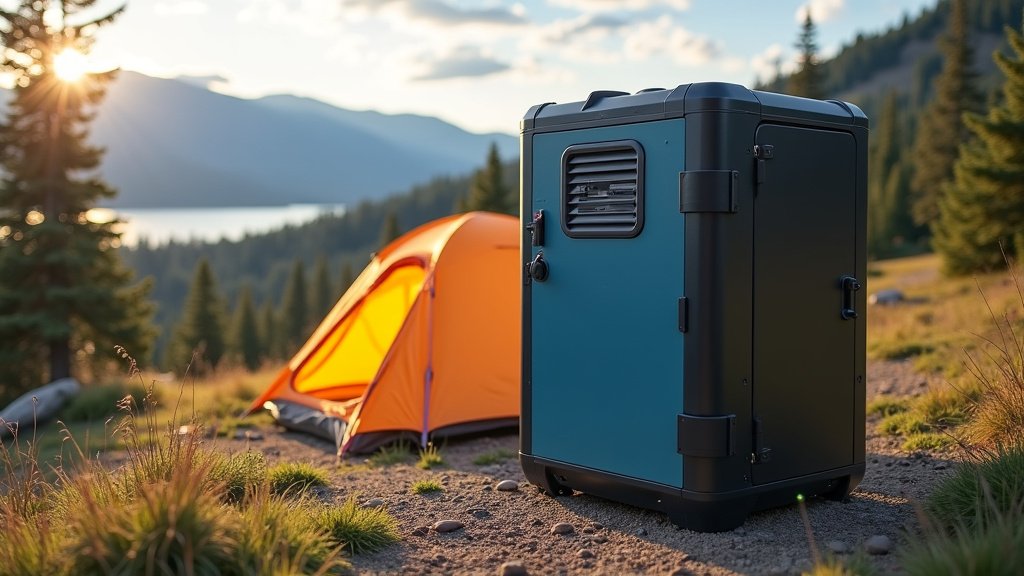
Look for a power station with a sturdy handle and a compact design. Some units have built-in flashlights or LCD screens that show remaining battery life, which are handy. We found that integrated designs often feel more robust for outdoor use.
Recharging Options
How will you recharge the power station itself? Most can be recharged via AC wall outlets, car chargers, and solar panels. For camping, solar panel compatibility is a huge plus. Research how quickly each charging method works. Many users prefer solar for extended off-grid trips. You want to ensure you can replenish power effectively.
Number and Type of Outlets
Check how many AC outlets, USB-A ports, and USB-C ports it has. Do you need fast charging via USB-C PD? Ensure the station has enough ports for all your devices. Having a mix of outlets is often best. We found that stations with at least two AC outlets are very convenient.
Durability and Build Quality
Camping can be rough. A power station with a robust casing and good build quality will withstand bumps and minor drops. Some units are specifically designed for outdoor use with better weather resistance. Durability is often a key factor in long-term satisfaction.
Quick Checklist for Choosing Your Camping Power Station
To help you decide, consider these points:
- What devices do you NEED to power?
- How many nights will you typically camp?
- How much weight can you comfortably carry?
- What is your budget?
- Do you plan to use solar charging?
- How many outlets do you need?
Conclusion
So, is a bigger power station always better for camping? We’ve found the answer is a resounding no. The ideal power station size truly depends on your specific camping needs and style. Overestimating your power requirements can lead to carrying unnecessary weight and spending more money. Instead, focus on understanding what you’ll actually power, calculating your expected energy use, and balancing capacity with portability.
Before you buy, ask yourself these questions. Then, choose a power station that fits your adventures, not just the biggest one on the shelf. This thoughtful approach ensures you have reliable power without the hassle.
Frequently Asked Questions
How do I know if I need a small or large power station for my camping trip?
For short trips with only basic electronics like phones and speakers, a smaller unit (150-300Wh) is usually sufficient. If you plan to run a cooler, multiple devices for longer periods, or need power for comfort items, a mid-range or larger station (300Wh+) might be necessary.
What is the difference between wattage (W) and watt-hours (Wh) for power stations?
Wattage (W) is the amount of power a station can deliver at any single moment, while watt-hours (Wh) is the total amount of energy it can store over time. You need enough wattage for devices that draw a lot of power simultaneously and enough watt-hours to last your trip.
Will a power station be too heavy to carry to my campsite?
Larger power stations can be quite heavy, sometimes over 30 pounds. If your campsite requires hiking or carrying gear a distance, weight is a major consideration. We found units under 20 pounds are generally much easier to manage for most campers.
Can I recharge a power station using solar panels while camping?
Yes, many portable power stations are compatible with solar panels. This is an excellent option for extending your power supply during longer trips off the grid. Just ensure the power station you choose supports solar charging and consider the panel size needed.
What common camping devices consume the most power?
Items like portable refrigerators or coolers, electric blankets, coffee makers, and CPAP machines are significant power consumers. Always check the wattage and estimated watt-hours for these appliances to properly size your power station.
