
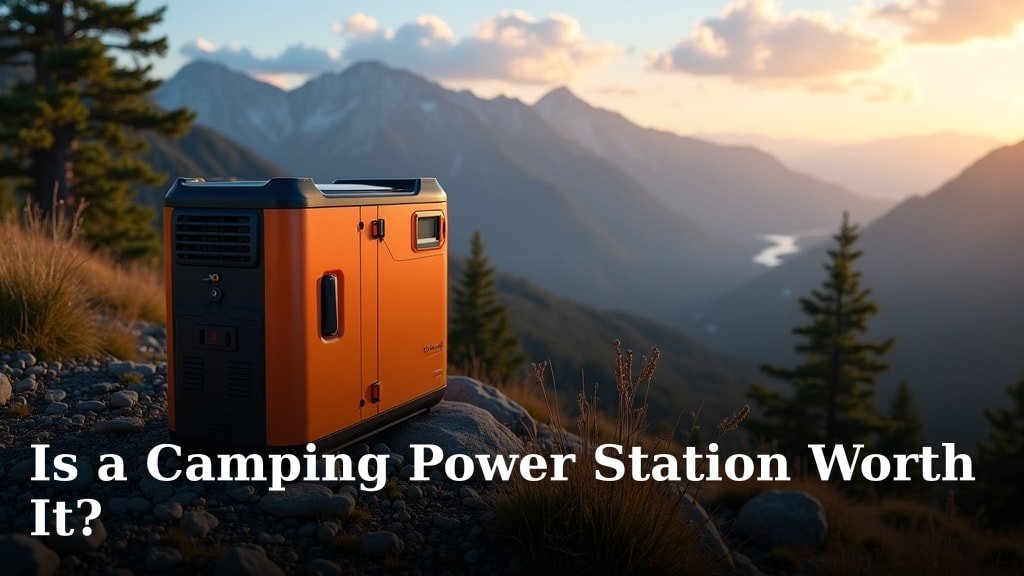
Yes, a camping power station is absolutely worth it if you want reliable electricity for your devices while enjoying the outdoors. They offer a convenient and quiet power source, far superior to noisy generators for your camping trips.
You can keep your phones charged, run small appliances, and even power portable fridges in remote locations. We found that modern power stations provide clean, safe energy, making your outdoor adventures much more comfortable and connected.
- Camping power stations are quiet and safe.
- They charge phones, run small appliances, and power portable fridges.
- Offer reliable electricity away from home.
- Help you stay connected and comfortable outdoors.
Ready to upgrade your camping experience? We’ll help you figure out if a camping power station is right for you, covering all the pros and cons.
Is a Camping Power Station a Smart Buy?
Yes, a camping power station is a fantastic investment for anyone who loves the outdoors but also enjoys the comforts of modern technology. Think of it as bringing a slice of home right to your campsite, without the noise or fuss of traditional generators. We’ve seen these devices transform camping trips, making them more enjoyable and less about roughing it.
Why Consider a Portable Power Station for Camping?
When you’re out in nature, access to power can be a real game-changer. These stations offer a quiet, clean way to keep your essential gadgets running. No more worrying about a dead phone battery when you need to check a trail map or capture a sunset photo. They also provide peace of mind in case of an emergency, keeping communication lines open.
The Quiet Advantage Over Generators
One of the biggest reasons campers choose power stations is their silent operation. Unlike gas generators that rumble and hum, power stations run almost noiselessly. This means you can enjoy the natural sounds of your campsite without interruption, which is a huge plus for many outdoor enthusiasts. Your neighbors will appreciate the peace too!
We found that many campgrounds have strict noise regulations. A portable power station helps you stay compliant while still enjoying power. It’s hard to relax when you’re constantly listening to an engine running, right?
Clean Energy for Sensitive Electronics
Power stations deliver a stable, pure sine wave output. This is a technical way of saying they provide electricity that’s safe for sensitive electronics like laptops, drones, and CPAP machines. Traditional generators often have less stable power, which can sometimes harm delicate devices. With a power station, you can plug in with confidence.
What Can a Camping Power Station Actually Power?
You might be surprised by the range of devices a good power station can handle. From charging your phone multiple times to keeping food cold, these units are versatile. Their capacity, measured in Watt-hours (Wh), determines how much and how long they can power things.
- Smartphones and Tablets: Keep all your communication and navigation devices charged.
- Laptops: Work remotely or enjoy a movie night under the stars.
- Portable Refrigerators/Coolers: Say goodbye to soggy ice and enjoy fresh food.
- LED Lights: Illuminate your campsite without relying on headlamps alone.
- Small Appliances: Run a coffee maker, fan, or even a projector for some outdoor entertainment.
- Medical Devices: Crucial for CPAP machines or other essential health equipment.
Choosing the Right Camping Power Station: Key Considerations
Picking the perfect power station can feel a bit overwhelming with so many options. We’ve broken down the main factors to help you make an informed decision. Think about what you need to power and for how long.
Capacity (Watt-hours) and Power Output (Watts)
Capacity tells you how much energy the power station can store, like a fuel tank. Power output indicates how much energy it can deliver at one time, similar to how quickly you can pump fuel. If you’re only charging phones, a smaller capacity is fine. For power-hungry items like portable fridges, you’ll need more.
We found that a good rule of thumb is to calculate the total wattage of all devices you plan to run simultaneously and then add a buffer. For example, a 500Wh station might charge a phone 40 times or run a 40W portable fridge for about 10-12 hours.
Portability and Size
Camping means moving around, so the size and weight of your power station matter. Are you car camping, where weight is less of an issue, or backpacking, where every ounce counts? There’s a wide range of sizes, from brick-sized units to larger, suitcase-style stations.
Look for models with sturdy handles and a compact design. Some models even come with built-in lights or other convenient features that add to their utility without much extra bulk.
Charging Options: Recharging Your Station
How will you recharge your power station while on your trip? This is a critical question. Most stations offer multiple charging methods. The most common include AC wall outlets, your car’s 12V cigarette lighter, and solar panels.
We’ve seen that solar charging capabilities are a huge draw for campers looking for off-grid solutions. Look for efficient solar input, often measured in watts. Higher wattage solar panels will recharge your station faster. Remember, solar charging is slower and depends on sunlight, so plan accordingly.
Benefits of Integrating a Power Station into Your Camping Gear
Beyond just keeping your devices alive, a power station brings several tangible benefits to your outdoor experience. It upgrades your comfort and convenience in ways you might not expect.
- Extended Stay: Stay out longer without needing to find an electrical hookup.
- Comfort and Convenience: Enjoy small luxuries like a lighted tent or a charged e-reader.
- Enhanced Safety: Keep emergency communication devices charged.
- Environmental Friendliness: A quiet, emission-free power alternative.
- Versatility: Useful for home emergency backup, tailgating, or DIY projects too.
Consider this a small checklist of perks:
- Peaceful campsite ambiance
- Reliable device charging
- Access to fresh food
- Emergency preparedness
- Off-grid freedom
Comparing Camping Power Stations: Features at a Glance
To help you see the differences, here’s a quick comparison of typical features you’ll find across various models. This isn’t a comprehensive list of all products, but it shows common variations we’ve observed in the market.
| Feature | Smaller Models (e.g., 200-300Wh) | Mid-Range Models (e.g., 500-1000Wh) | Larger Models (e.g., 1500Wh+) |
|---|---|---|---|
| Typical Devices Powered | Phones, small lights, action cameras | Phones, laptops, portable fridges, fans | Multiple devices, full-size fridges, CPAP for days |
| Weight (approx.) | 5-10 lbs | 12-25 lbs | 30+ lbs |
| Charging Ports | USB-A, small AC outlet | USB-A/C, 12V DC, multiple AC outlets | Many USB-A/C, 12V DC, high-wattage AC |
| Solar Input | Limited (max 60W) | Good (max 100-200W) | Excellent (200W+) |
| Price Range | $150 – $300 | $400 – $800 | $1000 – $2000+ |
As you can see, there’s a power station for almost every camping style and budget. Your ideal choice depends on your specific needs and how much power you truly anticipate using.
Are There Any Downsides to Camping Power Stations?
While power stations are incredibly useful, it’s fair to look at the whole picture. No product is perfect for every single scenario. We want you to feel confident in your decision, so let’s touch on a couple of potential drawbacks.
Initial Cost and Weight
The upfront cost can be a consideration. A good quality power station can be a significant investment. However, think of it as a durable piece of equipment that will last for many trips. When you compare it to the cumulative cost of batteries or the hassle of finding charging spots, the value often becomes clear.
Also, while lighter than generators, larger power stations can still be heavy. If you’re planning a trip where you need to carry gear a long distance, the weight might be a factor to consider carefully. Always check the product specifications for weight before purchasing.
Limited Power for Heavy-Duty Appliances
Power stations are fantastic for most camping needs, but they aren’t designed to run large, high-wattage appliances like full-size air conditioners, electric grills, or power tools for extended periods. For those kinds of demands, a traditional gas generator might still be the only option.
However, for the typical camper, the power provided by these stations is usually more than enough. Many campers find that they significantly reduce their reliance on noisy generators for everyday needs, saving the generator for truly heavy-duty tasks if they even bring one.
Conclusion
You’ve seen how a camping power station can truly transform your outdoor adventures. They offer quiet, clean power for all your essential devices, making your trips more comfortable and convenient. From keeping phones charged to running a portable fridge, these units provide reliable electricity without the fuss of noisy generators.
We’ve gone through the features and benefits, helping you understand what to look for. Think about your power needs and choose wisely. Adding a power station to your gear means embracing peace, comfort, and preparedness on every journey.
Ready to upgrade your camping experience? We encourage you to research models that fit your personal style and budget. You’ll wonder how you ever camped without one!
Frequently Asked Questions
Is a camping power station safe to use inside a tent?
Yes, camping power stations are very safe for indoor use, including in tents. They don’t emit fumes like gas generators do. This makes them perfect for powering devices overnight without ventilation concerns.
How long does it take to fully charge a power station?
Charging time varies greatly depending on the station’s capacity and charging method. Using a wall outlet, most mid-range stations can fully charge in 5-10 hours. Solar charging will take much longer and depends on sunlight conditions.
Can a camping power station jump-start a car?
Some specialized power stations come with a jump-start feature, but it’s not standard for all models. If this is important to you, look for power stations specifically advertised with car jump-starting capabilities. Otherwise, you would need a separate jump starter.
Do camping power stations hold their charge for a long time when not in use?
Most modern power stations have very low self-discharge rates. You can typically charge them up and store them for several months, and they will still retain a significant amount of power. We recommend recharging them every 3-6 months to maintain battery health.
What is the typical lifespan of a camping power station?
The lifespan depends on the battery type and usage. Lithium-ion batteries, common in these devices, are rated for a certain number of charge cycles, often 500 to 2000 cycles. With proper care, a good quality power station can last many years, often 5 to 10 years or more.
