Is a Jackery Good for a Tiny Home?
On this page (8 sections)
- Can a Jackery Power Your Tiny Home? Let’s Take a Look
- Understanding Your Tiny Home Power Needs
- How Jackery Fits into Your Tiny Home Power System
- Choosing the Right Jackery Model for Your Tiny Home
- Recharging Your Jackery: Solar and Other Methods
- Living with a Jackery: Tips for Tiny Home Success
- Conclusion
- Frequently Asked Questions
Yes, a Jackery portable power station can be a fantastic power solution for your tiny home. It offers a reliable and portable way to keep your essential appliances running off the grid or as a backup. You can power lights, charge devices, and even run small kitchen gadgets with the right Jackery model.
Tiny home living often means creative solutions for power needs. A Jackery generator fits this need perfectly, offering eco-friendly energy without the noise or fumes of traditional generators. It’s a smart choice for those seeking energy independence and a simpler lifestyle. Many users find it a game-changer for off-grid adventures too.
- Jackery is great for tiny homes.
- It powers essentials like lights and chargers.
- It’s eco-friendly and quiet.
- It provides energy independence.
Let’s dive into how a Jackery can fit into your tiny home setup and what you need to consider.
Can a Jackery Power Your Tiny Home? Let’s Take a Look
So, you’re dreaming of tiny home living. That means big decisions about power. You want to keep your lights on, your phone charged, and maybe even your coffee maker humming. But how do you do it without a massive, noisy generator or a complicated solar setup? This is where a Jackery portable power station really shines. We found that for many tiny home dwellers, it’s a surprisingly effective and flexible power source.
Think of a Jackery as a giant, rechargeable battery. It stores electricity so you can use it whenever you need it. This means you can have power, even if you’re off the grid or your main solar panels aren’t generating enough. It’s clean, quiet, and easy to use. We think you’ll find it’s a super convenient way to manage your energy needs.
Understanding Your Tiny Home Power Needs
Before we dive into Jackery specifics, let’s talk about what your tiny home actually uses. It’s like packing for a trip – you need to know what essentials to bring. Your power needs will depend on a few things:
What Appliances Will You Run?
This is the big one. Are you just powering LED lights and charging your laptop? Or do you plan on running a blender, a mini-fridge, or even a microwave? We found that listing out every single appliance you plan to use is a great first step. Don’t forget things like phone chargers, water pumps, and any small fans or heaters.
How Much Power Do They Use?
Each appliance has a wattage rating. This tells you how much power it needs to run. You can usually find this on a sticker on the appliance itself or in its manual. We found that summing up the wattage of all the appliances you’ll use simultaneously gives you a good idea of your peak power demand. Remember, some appliances, like refrigerators, have a higher starting wattage.
How Often Will You Use Them?
A device that runs for 10 hours a day uses a lot more energy than one you only turn on for 30 minutes. We found that thinking about your daily routine helps estimate your total energy consumption in watt-hours (Wh). This is your wattage multiplied by the hours you use the appliance.
How Jackery Fits into Your Tiny Home Power System
Jackery units are designed for portability and ease of use, making them a natural fit for the minimalist lifestyle of tiny homes. They act as a central hub for your electricity, much like a traditional home’s electrical panel, but in a much more manageable form factor.
As Your Primary Off-Grid Power Source
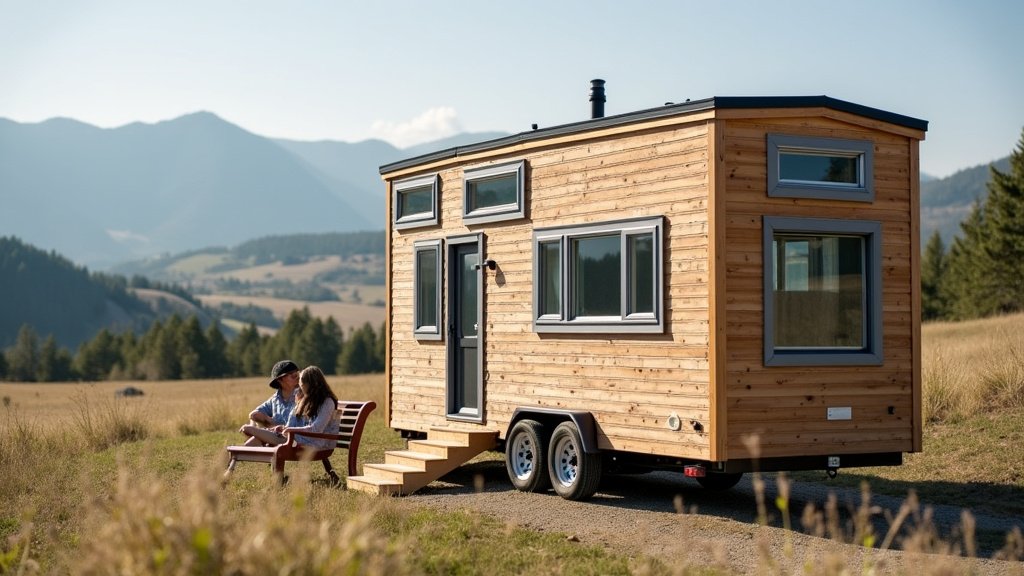
For many tiny homes, especially those parked in remote locations, a Jackery can serve as the main source of electricity. You can pair it with solar panels to keep it charged. During the day, solar panels can recharge the Jackery, and you can draw power from it as needed. This setup offers a clean and renewable way to power your home. We found that many users start with a smaller Jackery and expand their system as their needs grow.
As a Backup Power Solution
Even if your tiny home has a grid connection or a larger solar system, a Jackery can be an excellent backup generator. If the power goes out, you can simply plug your essential devices into the Jackery. This ensures you still have lights, can charge your phone, and keep critical items running. We found that this peace of mind is incredibly valuable, especially during severe weather events.
For Temporary or Mobile Tiny Homes
If your tiny home isn’t stationary, or you use it for travel, a Jackery is perfect. Its portability means you can easily move it between your home, your vehicle, or even take it camping. This flexibility is a major advantage for tiny home dwellers who value mobility. We found that many people appreciate not being tied to a fixed power infrastructure.
Choosing the Right Jackery Model for Your Tiny Home
Jackery offers several models, each with different capacities and output capabilities. Picking the right one is key to avoiding power frustrations. It’s like choosing a backpack – you need one that’s big enough for your gear but not so big it’s a burden.
Jackery Power Station Capacity (Watt-hours – Wh)
This is the total amount of energy the power station can store. A larger Wh number means it can power your devices for longer. For a tiny home, you’ll likely want a model with a substantial capacity, perhaps 500Wh or more, depending on your appliance list. We found that running essential lights and charging devices might only need a smaller unit, but a fridge or microwave requires a much larger capacity.
Jackery Output Power (Watts – W)
This tells you how much power the Jackery can deliver at any one time. It needs to be high enough to handle the combined wattage of the appliances you plan to run simultaneously. Some appliances, like microwaves, have a high “surge” or “starting” wattage. You need a Jackery that can handle this initial surge. We found that checking the surge output is just as important as the continuous output.
Jackery Solar Panel Compatibility
If you plan to recharge with solar, ensure the Jackery model you choose is compatible with Jackery’s solar panels. The size and number of panels you need will depend on your energy consumption and how much sunlight you get. We found that Jackery makes it quite easy to connect their panels to their power stations.
A Quick Look at Popular Models
Let’s consider a couple of common scenarios and suitable Jackery sizes. Remember, these are general guidelines, and you should always calculate your specific needs.
| Use Case | Recommended Jackery Model | Typical Capacity (Wh) | Notes |
|---|---|---|---|
| Basic Essentials (Lights, Phone/Laptop Charging) | Jackery Explorer 300/500 | 292Wh / 518Wh | Great for simple needs and portability. |
| Running Small Appliances (e.g., Coffee Maker, Fan) + Essentials | Jackery Explorer 1000 | 1002Wh | Offers more power for occasional use of small appliances. |
| Extended Use of Moderate Appliances (e.g., Mini-Fridge, Blender) | Jackery Explorer 1000 Pro / 1500 | 1002Wh / 1512Wh | Higher continuous and surge output, better for running multiple items. |
| Powering Higher-Draw Appliances (e.g., Microwave – briefly) + Full Essentials | Jackery Explorer 2000 Pro | 2164Wh | For those who need more robust power for demanding tasks. |
We found that checking the wattage required by your most power-hungry appliance is essential when making your choice.
Recharging Your Jackery: Solar and Other Methods
Keeping your Jackery topped up is crucial for uninterrupted power. Thankfully, Jackery offers several convenient ways to recharge.
Solar Charging: The Eco-Friendly Choice
This is often the most attractive option for tiny home dwellers seeking independence. Jackery solar panels are foldable and portable. You can position them to catch the sun’s rays. The charging speed depends on the panel size and the intensity of sunlight. We found that using multiple panels can significantly speed up recharging, especially on cloudy days.
Wall Outlet Charging
If you have access to a standard electrical outlet (e.g., when parked at a campground or a friend’s place), you can charge your Jackery directly. This is the fastest way to recharge. We found that it’s a good idea to fully charge your unit before heading off-grid.
Car Outlet Charging
You can also charge your Jackery from your car’s 12V outlet while driving. This is slower than wall charging but can be useful for topping up on the go. We found this is a handy way to maintain power during travel days.
Living with a Jackery: Tips for Tiny Home Success
Using a Jackery in your tiny home is generally straightforward. But like any tool, understanding its quirks will help you get the most out of it. We’ve gathered a few tips to make your experience smoother.
Monitor Your Power Usage
Most Jackery models have a display that shows how much power is going in and out, as well as the remaining battery percentage. Keep an eye on this! It helps you understand your consumption patterns and prevents you from running the battery completely dead. We found that actively monitoring your usage is the best way to avoid surprises.
Prioritize Your Appliances
When power is limited, you’ll need to make choices. Always have a list of your essential appliances. If your battery is running low, know which non-essential items you can do without. We found that a simple “must-have” vs. “nice-to-have” list can be very helpful.
Keep it Cool and Dry
Like most electronics, Jackery power stations perform best in moderate temperatures. Avoid leaving them in direct, intense sunlight for extended periods, especially inside a hot tiny home. Also, keep them away from moisture. We found that proper storage extends the lifespan of your power station.
Don’t Overload the Output
Always ensure the total wattage of the appliances you plug in at one time does not exceed the Jackery’s output rating. Overloading can cause the unit to shut down or even be damaged. We found that checking the combined wattage before plugging things in is a simple but effective habit.
Plan Your Charging Strategy
Decide how you will recharge your Jackery. If you rely on solar, understand your average daily sunshine. If you’ll be near outlets, plan charging times. We found that having a clear recharging plan prevents you from running out of power unexpectedly.
Regular Maintenance Checks
Periodically check the power station for any physical damage. Ensure all ports are clean and free of debris. If you’re using solar panels, make sure their connections are secure. We found that a quick once-over every few months is usually sufficient.
By following these tips, you can ensure your Jackery serves as a reliable and efficient power source for your tiny home for years to come. It’s about smart usage and understanding the technology.
Conclusion
You’ve seen how a Jackery portable power station can be a powerful and flexible energy solution for your tiny home. It’s a clean, quiet way to keep your essentials running, whether you’re completely off-grid or just need a reliable backup. We found that by carefully assessing your power needs and choosing the right Jackery model, you can achieve significant energy independence. Remember to plan your charging strategy and monitor your usage for the best experience. Your next step is to list out your must-have appliances and compare their wattages to find the perfect Jackery match for your tiny living dream.
Frequently Asked Questions
How long can a Jackery power my tiny home essentials?
The duration depends on the Jackery’s capacity (Wh) and the wattage of your essential appliances. For basic needs like LED lights and phone charging, a mid-size Jackery can last for many hours. We found that reviewing the power draw of each appliance will give you a clearer picture.
Can I run my refrigerator off a Jackery?
Yes, you can run a mini-fridge, but it requires a Jackery with a higher capacity and sufficient surge wattage to handle the initial startup. We found that you’ll need to check your fridge’s power consumption carefully and choose a Jackery model like the Explorer 1000 Pro or larger.
Is a Jackery noisy when it operates?
No, Jackery power stations are virtually silent. Unlike traditional gas generators, they have no moving parts that create noise. This makes them ideal for quiet tiny home living. We found this quiet operation to be a major benefit for many users.
How many solar panels do I need to keep a Jackery charged for my tiny home?
The number of solar panels needed depends on your daily energy usage and the amount of sunlight you receive. For consistent charging of a mid-size unit, two to three Jackery solar panels are often recommended. We found that assessing your daily watt-hour needs is the best way to determine this.
What happens if I overload the Jackery’s output?
If you plug in appliances that collectively exceed the Jackery’s output wattage, it will likely shut down automatically to protect itself. This is a safety feature. We found it’s best to always check the combined wattage before connecting devices to avoid interruptions.