
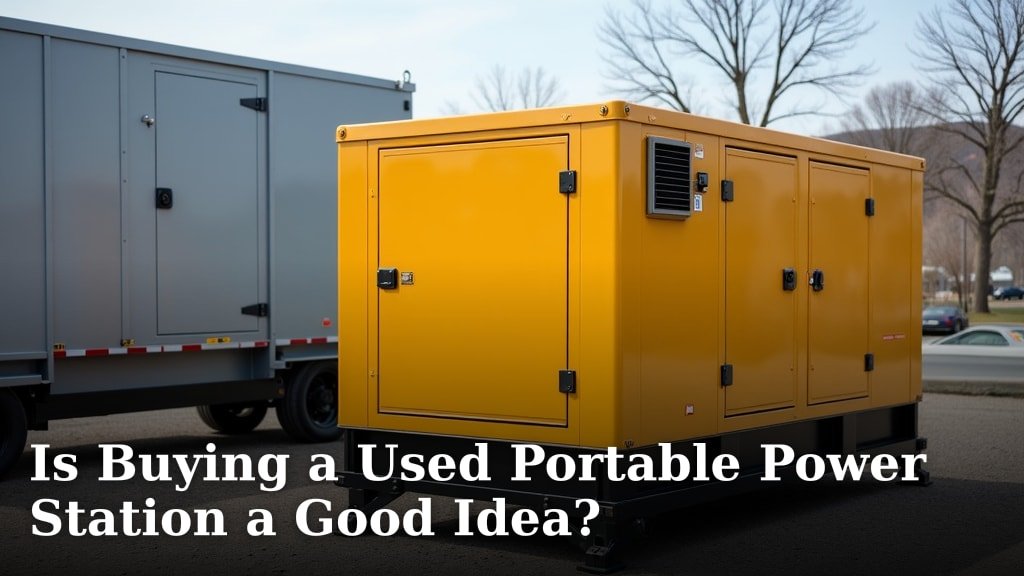
Yes, buying a used portable power station can be a smart way to save money, but you need to be careful. It’s a great option if you’re on a budget and understand the potential risks involved with pre-owned electronics. Getting a good deal is possible with the right approach.
These portable power solutions offer convenience for camping, emergencies, or off-grid power needs. When you buy one used, you’re looking for a functional unit at a lower price point. You just want to make sure it still holds a good charge and isn’t on its last legs.
- Buying used can save you a lot of cash.
- You need to check for battery health and functionality.
- Look for sellers with good reviews and clear descriptions.
- Understand the warranty situation (or lack thereof).
Let’s dive into what you need to consider to make sure you’re getting a good deal on a pre-owned power station.
Considering a Pre-Owned Portable Power Station? Here’s What to Know
So, you’re thinking about snagging a used portable power station? That’s a smart move if you’re trying to stretch your budget. These powerhouses can be pricey when new. Buying used means you could get the same kind of backup power or portable energy source for a lot less cash. But, like with any used electronic, there are definitely some things you need to look out for to make sure you’re not buying a lemon.
The Big Advantage: Saving Money
Let’s face it, the biggest draw to buying anything used is the price. Portable power stations can range from a few hundred to well over a thousand dollars. If you find one in good condition that’s just a year or two old, you could be saving 30-50% off the original price. That’s a huge chunk of change back in your pocket!
Think about it this way: a power station is like a big battery on wheels. Its main job is to store and deliver electricity. When you buy one used, you’re essentially buying someone else’s leftover battery capacity. You just want to make sure there’s still plenty of juice left in that battery.
Potential Downsides and What to Watch For
While the savings are attractive, there are definitely some potential pitfalls to buying a used power station. You need to be aware of these before you hand over your hard-earned cash.
Battery Health is Key
The heart of any power station is its battery. Batteries degrade over time and with use. A power station that’s a few years old might not hold a charge as long as a brand-new one. This is probably the most important factor to consider.
Understanding Battery Degradation
Most portable power stations use lithium-ion batteries. These are great, but they have a limited lifespan, measured in charge cycles. A charge cycle is essentially one full discharge and recharge. The more cycles a battery has gone through, the less capacity it will have. You can’t always tell how many cycles a used unit has had just by looking at it.
What to Ask the Seller About the Battery
When you’re looking at a used unit, ask the seller specifically about the battery. Have they noticed a significant decrease in how long it holds a charge? Do they know how old the unit is? Any seller who is transparent about these details is a good sign. If they seem hesitant or unsure, it might be a red flag.
Physical Condition and Signs of Wear
Beyond the battery, you’ll want to check the overall physical condition of the power station. Does it look like it’s been through the wringer?
Scratches and Dents
Some minor cosmetic wear and tear, like a few scratches or small dents, might be perfectly fine. These happen easily. What you really want to avoid are signs of serious damage. Look for cracks in the casing, especially around ports. Deep gouges could indicate it’s been dropped hard.
Port Integrity
Check all the output and input ports. Are they clean? Do they look bent or damaged? A loose port could mean internal connection issues. You want to ensure that the USB ports, AC outlets, and DC ports look solid and are free from debris.
Functionality Tests: The Most Important Step
This is where you really need to do your homework, ideally before you buy. Can you test it?
Testing the Charge and Discharge
If possible, ask to see the power station plugged in and charging. Note how quickly the battery percentage increases. Then, ask if you can plug in a small device, like a phone or a lamp, to see if it powers it. This shows the output ports are working. A seller who refuses to let you test it might be hiding something.
Checking the Display Screen
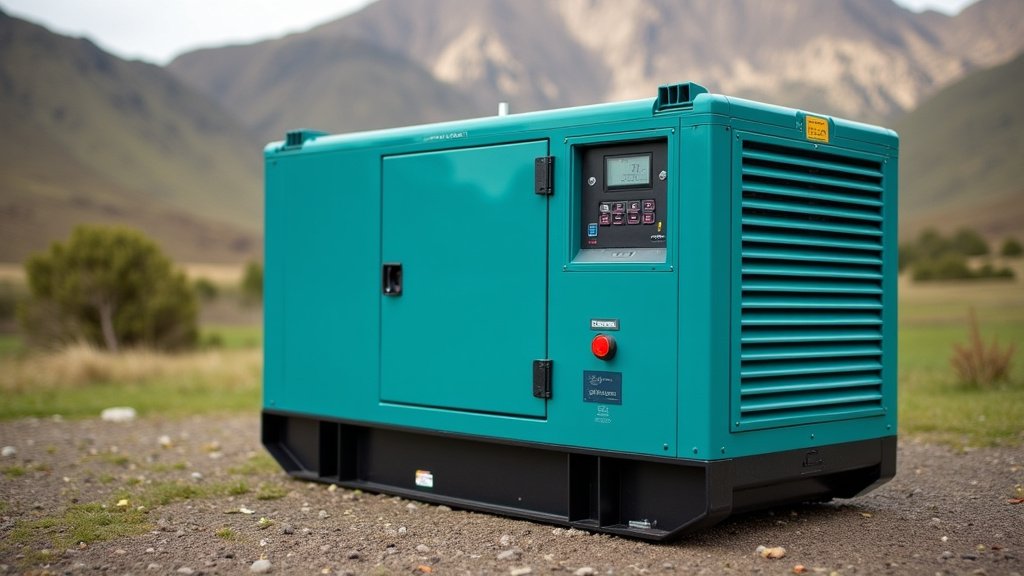
Most power stations have a display that shows battery level, input wattage, and output wattage. Make sure the screen is clear and readable. Check if all the icons and numbers light up correctly. Sometimes, display issues can be a sign of deeper electronic problems.
Where to Find Used Portable Power Stations
You’ve got a few avenues to explore when you’re hunting for a pre-owned unit. Each has its own pros and cons.
Online Marketplaces
Websites like eBay, Facebook Marketplace, and Craigslist are popular spots. You’ll find a wide variety of models and prices. The key here is vetting the seller carefully. Look at their ratings and read reviews. Pay close attention to the item description and photos.
Risks and Rewards of Online Shopping
The risk is that you might not be able to test the unit before buying, especially if it’s being shipped. The reward is potentially finding the best deals because there’s a huge selection. Always be wary of listings that seem too good to be true.
Refurbished Models from Manufacturers or Retailers
Some companies sell “refurbished” power stations. These are units that were returned, inspected, repaired if necessary, and cleaned. They often come with a limited warranty, which is a big plus. Check the manufacturer’s website or major electronics retailers for these options.
The Benefit of a Refurbished Warranty
A refurbished unit from a reputable source is generally a safer bet than a random private sale. Knowing there’s some kind of guarantee, even if short, offers peace of mind. It means someone has already checked it over.
What About the Warranty?
This is a big one when buying used. New power stations usually come with a warranty, often 2-5 years. When you buy used, especially from an individual, that warranty is likely gone.
Understanding “As-Is” Sales
Most private sales of used electronics are sold “as-is.” This means once you buy it, it’s yours, with all its potential faults. There’s no going back to the seller if something stops working a week later. This is why testing it thoroughly before purchase is so important.
Refurbished Warranties vs. Private Sales
As mentioned, refurbished units might come with a shorter warranty, like 90 days or a year. This can be a lifesaver. A private sale? You’re probably looking at zero warranty. You have to be comfortable with that risk.
Key Questions to Ask a Seller
Before you agree to buy, fire off some questions. A good seller will be happy to answer them.
- How old is the power station?
- What has it been primarily used for (camping, backup power, etc.)?
- Have there been any issues with the battery life or performance?
- Is there any damage to the casing or ports?
- Can I test it before I buy it?
Making the Final Decision: A Checklist
So, is buying a used portable power station a good idea for you? Here’s a quick checklist to help you decide:
- Budget is a priority and you’re willing to accept some risk for savings.
- You’ve researched the specific model you’re interested in.
- You can physically inspect and test the unit before purchase.
- The seller has positive reviews or a good reputation.
- You understand there’s likely no warranty, or a very limited one.
- The price reflects the age and condition of the unit.
Buying used can be a fantastic way to get a great piece of gear without breaking the bank. Just be diligent, ask the right questions, and perform thorough checks. You’ll significantly increase your chances of walking away with a reliable power source that serves you well.
Conclusion
Buying a used portable power station can be a really smart move for your budget. You can often find great units for a fraction of the original cost. The key is to be a prepared buyer. You need to focus on battery health and test the unit thoroughly if possible. Thoroughly vetting your seller and understanding the lack of a warranty are crucial steps. If you do your homework and are comfortable with a little risk, you can absolutely score a reliable power station that meets your needs without emptying your wallet.
Frequently Asked Questions
What’s the biggest risk when buying a used power station?
The biggest risk is buying a unit with a degraded battery. Batteries naturally lose capacity over time and with use. If the battery is already weak, the power station won’t hold a charge for long, limiting its usefulness. You might end up needing to replace the battery, which can be costly.
Can I expect a warranty when buying a used power station?
Generally, no. Most private sales of used electronics are “as-is,” meaning there’s no warranty. Refurbished units from retailers might come with a limited warranty, often 90 days to a year. Always confirm the warranty status with the seller before purchasing.
How can I tell if a used power station’s battery is still good?
Ask the seller about its age and how long it typically holds a charge. If you can, test it by letting it charge and then see how long it powers a small device. A display screen showing battery percentage and output wattage can also give you clues during a test.
Where are the best places to look for a used power station?
Popular online marketplaces like eBay, Facebook Marketplace, and Craigslist are common. You can also check manufacturer or retailer websites for “refurbished” models. Refurbished units often come with a limited warranty, making them a safer choice than private sales.
Is it worth buying a used power station if it has minor cosmetic damage?
Often, yes. Minor scratches or dents are usually just cosmetic and don’t affect performance. Focus more on the internal condition, especially the battery and ports. Significant cracks or damaged ports could indicate more serious internal issues, so be cautious with those.
