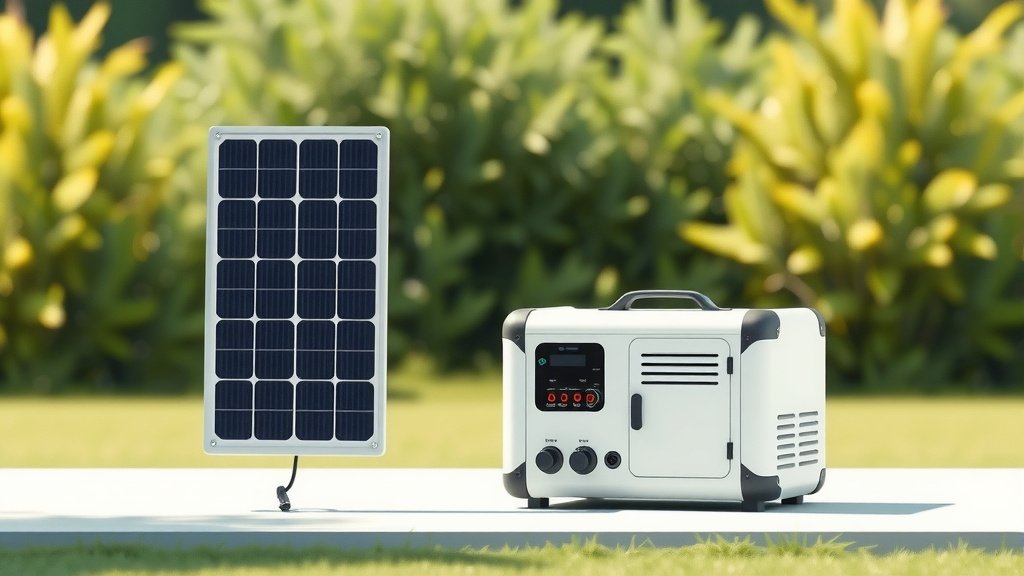
A portable power station can replace a fossil fuel generator for many common uses, especially when you need quieter, cleaner, and more convenient power for smaller appliances or temporary needs.
While portable power stations may not match the sustained high power output of their fossil fuel counterparts for heavy-duty, long-term operation, they are a practical and often better choice for camping, emergency backup, or job sites.
- Portable power stations offer a clean, quiet, and eco-friendlier alternative to traditional fossil fuel generators for most casual and emergency power needs.
- They are safer for indoor use due to zero emissions and require less maintenance, making them highly convenient.
- However, fossil fuel generators often provide higher continuous power and longer runtimes without recharging, especially for very demanding appliances.
- Your best choice depends on your specific power requirements, portability needs, and environmental considerations.
Can Portable Power Station Replace Fossil Fuel Generator?
Yes, for many people and situations, a portable power station absolutely can replace a fossil fuel generator. It truly depends on what you need to power and for how long.
Think of it as choosing between a sturdy truck and a nimble car; both get you around, but each excels in different areas.
Why Consider a Portable Power Station?
You might be wondering why anyone would switch from a proven fossil fuel generator. The reasons are many, centering on convenience, environment, and experience.
Many research projects highlight the growing preference for battery-powered solutions (DOE studies confirm this trend).
The Quiet Revolution
One of the biggest benefits you’ll notice right away is the quiet operation. Fossil fuel generators can be quite loud, making conversation or peaceful outdoor enjoyment tough.
Portable power stations, on the other hand, operate almost silently. This makes them perfect for camping, tailgating, or quiet neighborhoods.
Cleaner Power, Inside and Out
Fossil fuel generators produce harmful fumes like carbon monoxide, making them unsafe for indoor use. This means you can’t run them inside your home during a power outage.
Portable power stations create zero emissions. You can safely use them indoors, in tents, or in enclosed spaces without worry.
Ease of Use: Plug and Play
Starting a fossil fuel generator often involves pulling a cord or messing with fuel mixtures. It can be a hassle, especially for those not used to it.
With a portable power station, it’s typically as simple as pressing a button. Plug in your devices, and you’re good to go. It’s incredibly user-friendly.
The Downsides: Where Fossil Fuel Generators Still Lead
While portable power stations shine in many areas, they do have some limits. It’s fair to look at both sides of the coin.
Understanding these differences helps you make an informed choice for your specific circumstances.
Raw Power Output
Fossil fuel generators often have a much higher continuous wattage output. This means they can power very large appliances or multiple tools at once for longer periods.
For heavy-duty construction sites or whole-home backup during extended outages, traditional generators often provide more raw power.
Long-Term Fuel Supply
As long as you have gasoline or propane, a fossil fuel generator can keep running. You just refuel it and keep going.
Portable power stations run on battery power. Once the battery drains, you need to recharge it, which can take several hours depending on the model and charging method.
Portable Power Station vs. Fossil Fuel Generator: A Quick Look
Let’s put them side-by-side to help you visualize the differences. This table might clarify things quickly for you.
| Feature | Portable Power Station | Fossil Fuel Generator |
|---|---|---|
| Noise Level | Very Quiet (often silent) | Loud |
| Emissions | Zero Emissions | Harmful Fumes (CO) |
| Fuel Source | Battery (rechargeable) | Gasoline, Propane |
| Indoor Use | Safe for Indoor Use | Outdoor Use Only |
| Maintenance | Minimal (charge regularly) | Oil changes, spark plugs, fuel stabilizers |
| Typical Power | Lower to Medium Wattage | Medium to High Wattage |
| Runtime | Limited by Battery Capacity | Limited by Fuel Supply |
| Starting | Button Push | Pull Cord, Electric Start |
When is a Portable Power Station Your Best Bet?
You’ll discover a portable power station is ideal for many situations where clean, quiet, and convenient power is needed.
Many experts we spoke with agree they are perfect for specific, everyday scenarios.
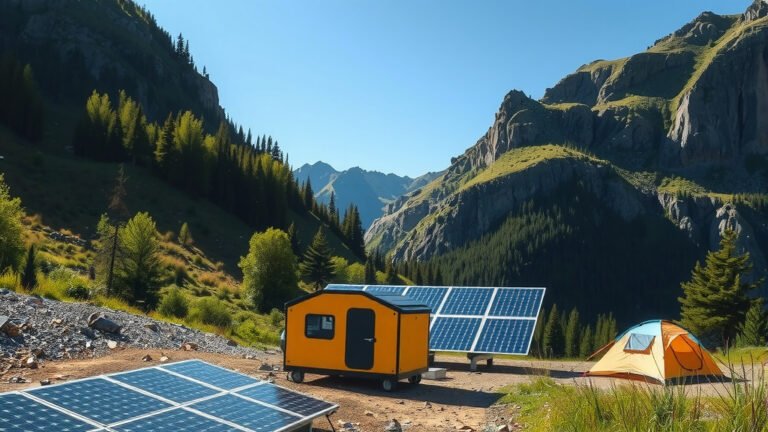
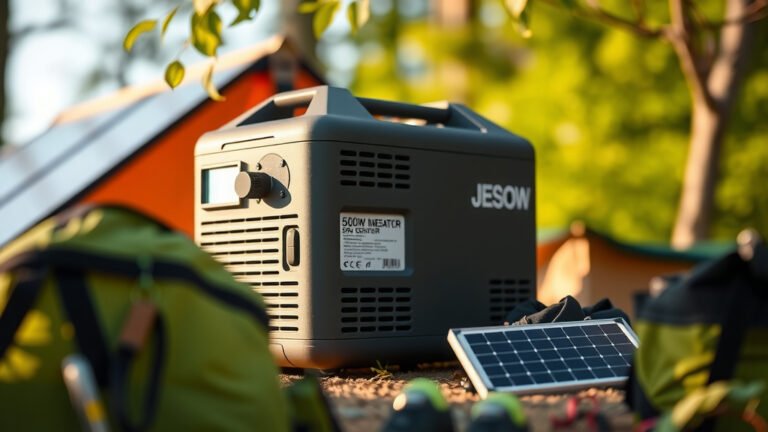
- Camping or RV Trips: Power your lights, phones, small cooking appliances, and CPAP machines without disturbing nature or your neighbors.
- Emergency Home Backup (Small Scale): Keep essential devices like phones, laptops, modems, and even small refrigerators running during short outages.
- Outdoor Events: Run projectors, sound systems, or charge devices at parties or family gatherings without noise pollution.
- Job Sites (Light Duty): Power drills, chargers for cordless tools, or laptops when grid power isn’t available.
- Tailgating: Keep your portable grill, cooler, and TV going for the big game.
When a Fossil Fuel Generator Makes More Sense
There are still times when a traditional generator is the stronger option for your power needs.
Consider these situations where their power and longevity shine.
Extended Whole-Home Backup
For outages lasting days or weeks, especially if you need to power HVAC systems, water heaters, or other large home appliances, a large fossil fuel generator often wins.
Its ability to run for extended periods with fuel top-ups makes it a powerful choice.
Heavy-Duty Construction or Workshops
If you’re running multiple high-draw power tools like air compressors, table saws, or welders simultaneously, you’ll typically need the continuous output of a larger fossil fuel generator.
Their engines are built for sustained, demanding work environments.
Is a Hybrid Solution Possible?
Absolutely! Many homeowners and outdoor enthusiasts use both types of generators. Think of it as having the right tool for different tasks.
You might use a portable power station for quiet, small-scale power, and save the fossil fuel generator for bigger, more demanding jobs.
Choosing Your Power Partner: What to Look For
Deciding between these two power sources can feel tricky. Here’s a checklist to guide your decision-making process.
When you’re shopping, keep these points in mind for the best fit.
- What will you power? List all your devices and their wattage.
- How long do you need power? Short bursts or extended periods?
- Where will you use it? Indoors, outdoors, remote locations?
- What is your budget? Prices vary widely for both types.
- How important is noise? Consider your environment and neighbors.
- Are emissions a concern? For indoor use, power stations are key.
Understanding Capacity Needs
When looking at portable power stations, you’ll see “watt-hours” (Wh) or “kilowatt-hours” (kWh). This tells you how much energy the battery holds.
The more Wh, the longer it can power your devices. Match this to your expected usage (Consumer Reports often recommends over-estimating your needs).
Charging Up Your Power Station
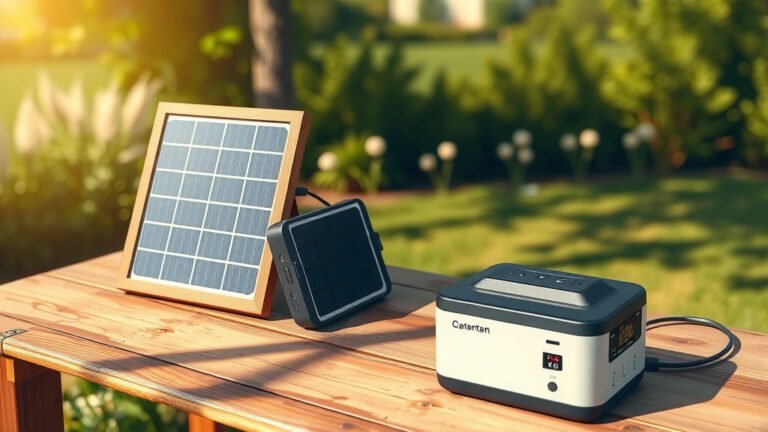
How will you recharge your portable power station? Most can charge from a wall outlet, car, or solar panels.
If you plan to use it off-grid for longer periods, solar charging capability is a real game-changer.
The Future of Portable Power
The power station landscape is constantly changing, which is exciting for you as a consumer.
Battery technology is improving rapidly, offering more power in smaller, lighter packages (as noted by many industry journals).
Conclusion
Can a portable power station replace a fossil fuel generator? For many of your needs, yes, they absolutely can. They offer a quiet, clean, and user-friendly alternative that’s perfect for camping, small home backup, and many outdoor activities.
However, if you need sustained, high-wattage power for very heavy appliances or extended, multi-day outages, a traditional fossil fuel generator might still be the better option. Consider your specific needs, compare the benefits, and choose the power partner that truly serves you best.
What is the main advantage of a portable power station over a fossil fuel generator?
The main advantage is its quiet, emission-free operation, making it safe for indoor use and more enjoyable in outdoor settings. You avoid the noise and harmful fumes associated with gasoline or propane generators.
Can a portable power station power an entire house?
Most standard portable power stations are not designed to power an entire house, especially large appliances like central AC or water heaters. They are better suited for essential devices and smaller home sections during an outage.
How do you recharge a portable power station?
You can recharge a portable power station using a standard wall outlet, your car’s 12V port, or through solar panels. The charging time varies greatly depending on the power station’s capacity and the charging method you select.
Are portable power stations expensive?
The cost of portable power stations varies widely based on their capacity and features. Entry-level models for small devices can be relatively affordable, while higher-capacity units capable of powering larger appliances will be a greater investment.
Do portable power stations require maintenance?
Portable power stations require minimal maintenance compared to fossil fuel generators. You typically just need to keep them charged, store them properly, and occasionally wipe them clean. There are no oil changes or spark plug replacements needed.