What Is a Camping Solar Generator?
On this page (6 sections)
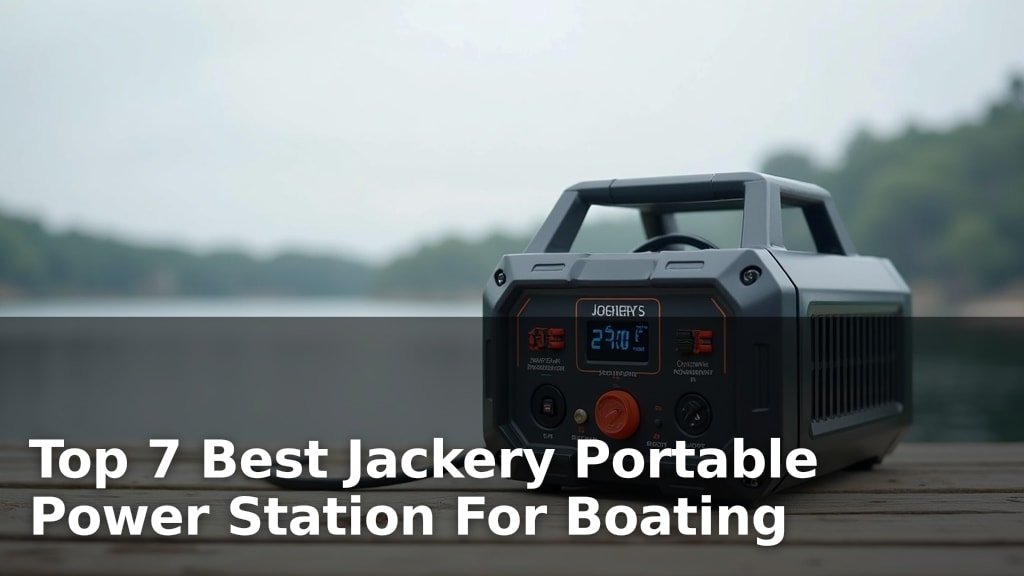
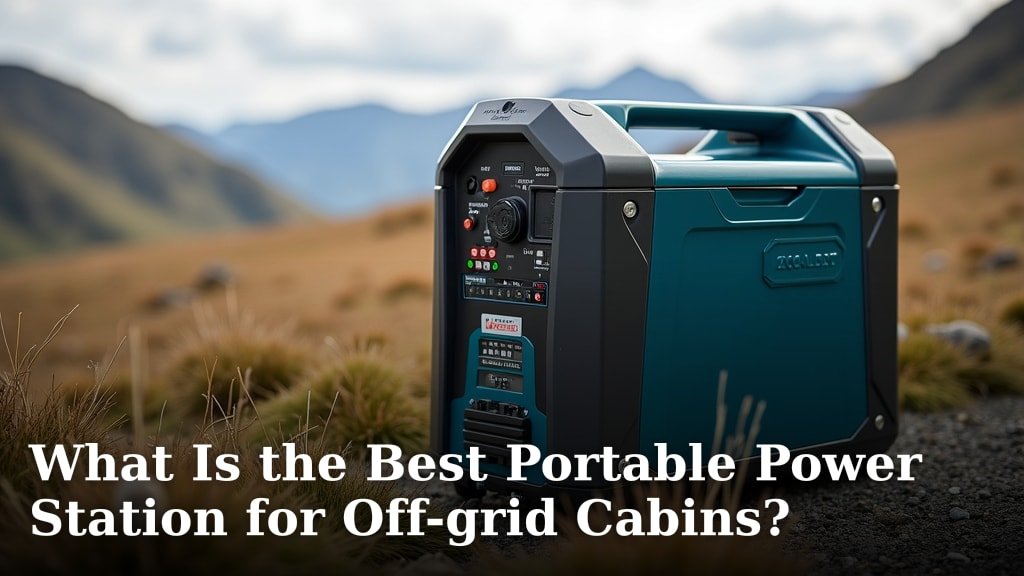
A camping solar generator is a portable power station that uses solar panels to charge an internal battery, providing clean electricity for your outdoor adventures. It lets you power your devices without relying on a noisy gas generator or campground hookups. Think of it as a silent, sun-powered battery bank for your campsite.
These handy devices are perfect for keeping your phone charged, running small appliances, or even powering lights when you’re off-grid. You get renewable energy on demand, making your camping trips more comfortable and eco-friendly. It’s about bringing a little piece of home comfort to the wilderness.
- A camping solar generator powers devices using the sun.
- It combines solar panels with a portable battery.
- Enjoy quiet, emissions-free electricity outdoors.
- Charge phones, run lights, or power small appliances.
- Ideal for off-grid camping and outdoor adventures.
Ready to learn more about how these clever gadgets work? Let’s explore everything you need to know about camping solar generators and how they can transform your next outdoor escape.
Understanding Camping Solar Generators
A camping solar generator essentially combines three key components into one portable unit: a solar panel, a battery, and an inverter. It’s designed to capture the sun’s energy and turn it into usable power for your devices.
The Core Components Explained
Each part plays a crucial role. Together, they create a silent, fume-free power source for your outdoor adventures.
The Solar Panels
These are the “eyes” of your generator. They collect sunlight and convert it into direct current (DC) electricity. Think of them as miniature power plants, harnessing nature’s energy. Most portable solar generators come with foldable panels or connect to external ones.
The Battery
Once the solar panels generate power, where does it go? Into the battery! This is the energy storage unit, typically a lithium-ion battery for modern portable generators. It holds the DC power until you need it, even after the sun goes down. A larger battery means more stored power for longer use.
The Inverter
Most of your everyday devices, like laptops or coffee makers, run on alternating current (AC) electricity. The inverter’s job is to change the DC power from the battery into AC power. This ensures compatibility with your standard household plugs.
How Does a Camping Solar Generator Work?
It’s simpler than you might think! The process is a continuous loop of energy capture, storage, and release. You just plug in your devices and let the sun do the rest.
- Sunlight Hits Panels: Your solar panels absorb photons from the sun.
- DC Power Generated: This light energy is converted into DC electricity.
- Battery Charges: The DC electricity flows into the internal battery, charging it up.
- Power Conversion (If Needed): When you plug in an AC device, the inverter changes the stored DC power to AC.
- Devices Powered: Your phone, lights, or small appliances receive power.
It’s a clean, efficient cycle. You get to enjoy modern conveniences without the usual noise or fumes of a gas generator.
Key Benefits of Using a Solar Generator for Camping
Why choose solar over other power options? We found several compelling reasons that make these generators a game-changer for campers.
Quiet Operation
One of the biggest advantages is the absolute silence. Unlike gas generators that hum and rumble, solar generators make no noise. Imagine falling asleep to crickets, not engine sounds. This preserves the peaceful atmosphere of your campsite.
Eco-Friendly Power
You’re using the sun, a renewable energy source. This means zero emissions and no carbon footprint during operation. It’s a fantastic way to minimize your environmental impact while enjoying nature.
No Fuel Hassle
Forget about lugging heavy gas cans or searching for fuel stations in remote areas. With a solar generator, your “fuel” is free and abundant (when the sun is out). This makes packing and planning much simpler.
Versatile Charging Options
Most units offer multiple output ports. You’ll find standard AC outlets, USB ports (including USB-C), and sometimes 12V car ports. This versatility means you can power a wide array of devices, from smartphones to mini-fridges.
Safety First
Since there are no combustion processes, you don’t have to worry about carbon monoxide poisoning or fire risks associated with gasoline. This makes them safer for use inside tents or enclosed spaces (though good ventilation is always wise with any electronics).
What Can You Power with a Camping Solar Generator?
The amount of power available depends on the generator’s capacity, measured in Watt-hours (Wh) for the battery and Watts (W) for the inverter output. Small units are great for personal electronics, while larger ones can handle more demanding appliances.
Common Camping Devices and Their Power Needs
We’ve put together a quick table to give you an idea of what typical devices consume. This helps you match your needs to a generator’s capacity.
| Device | Average Wattage (W) | Run Time on a 500Wh Generator (Approx.) |
|---|---|---|
| Smartphone (charging) | 5-18W | 40-100+ recharges |
| LED Lantern | 5-10W | 50-100 hours |
| Laptop (charging) | 40-70W | 7-12 hours |
| Portable Cooler/Fridge | 40-60W | 8-12 hours |
| Electric Blanket (low setting) | 50-75W | 6-10 hours |
| Small Coffee Maker (brief use) | 600-1000W | 0.5-0.8 hours (check inverter capacity!) |
Remember, these are averages. Always check the specific wattage of your devices. Also, consider “surge” wattage for things like coffee makers, which need a lot of power briefly when they first start up.
Choosing the Right Camping Solar Generator for Your Adventures
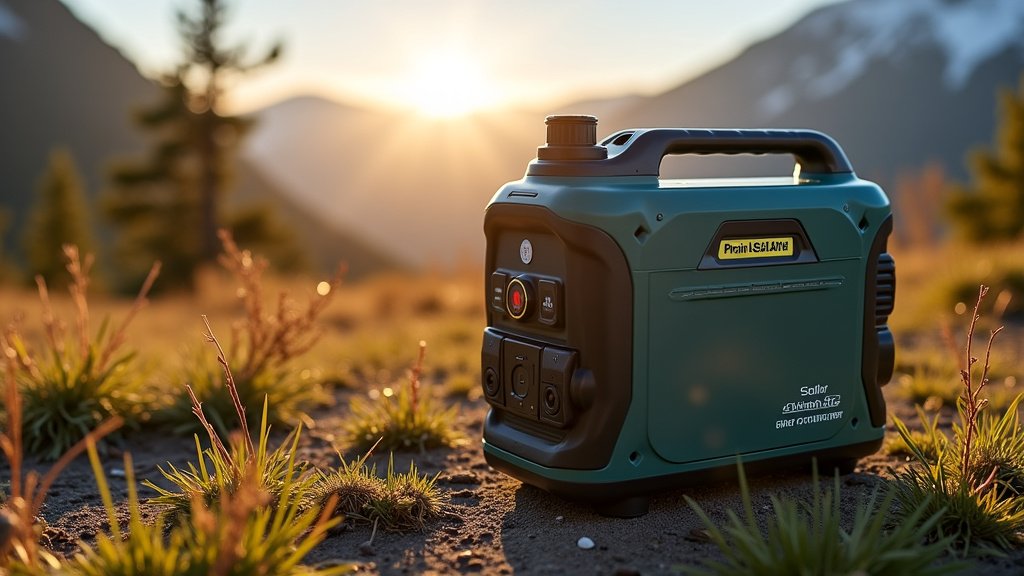
Selecting the best generator involves assessing your power needs, portability requirements, and budget. It’s like buying a tent; you need one that fits your style of camping.
Factors to Consider
Before you buy, ask yourself a few questions. This helps narrow down the options and ensures you get a generator that truly meets your expectations.
- Battery Capacity (Wh): How much energy do you need to store? Daily phone charging is different from running a fridge for days. Higher Wh means more power and usually a higher price.
- Inverter Output (W): Can it handle your highest-wattage device? If you plan to use a small hairdryer (often 1000-1500W), you’ll need a generator with a robust inverter.
- Portability: How heavy is it? Do you need to carry it far from your car? Lighter, smaller units are easier to transport but have less power.
- Charging Speed: How quickly can the battery recharge from solar panels or a wall outlet? Faster charging is convenient, especially on shorter trips.
- Solar Panel Compatibility: Does it come with panels, or do you need to buy them separately? What type of connector does it use?
- Number and Type of Ports: Do you need multiple USB ports? AC outlets? A 12V car port? Make sure it has the right connections for all your gear.
It’s about finding that sweet spot between power, size, and features. Don’t overbuy if you just need to charge a phone. Don’t underbuy if you plan on extended off-grid living.
Conclusion
As you’ve seen, a camping solar generator is more than just a gadget; it’s your ticket to comfortable, quiet, and eco-friendly outdoor adventures. We covered how they work, their many benefits, and what you can power. We also looked at how to choose the right one for your needs.
By understanding battery capacity, inverter output, and portability, you can confidently select a model. Get ready to enjoy the wilderness with all your essential devices powered up. Your next camping trip could be your most convenient yet!
Frequently Asked Questions
Can a camping solar generator power an RV?
It depends on the size. Smaller camping solar generators are generally for portable devices and small appliances. Larger, more robust models might power some RV essentials, but a full RV often needs a dedicated RV solar system or a very powerful generator. Always check the wattage requirements of your RV appliances.
How long do camping solar generators last?
The lifespan primarily depends on the battery type and usage. Most modern lithium-ion batteries found in these generators are rated for 500 to 2,000 charge cycles before their capacity significantly degrades. With proper care, many users report their units lasting 5-10 years.
Are all solar panels compatible with all camping solar generators?
Not always. While many generators use common connectors like MC4 or Anderson, some brands have proprietary connections. Always check the input port type and voltage range of your generator. If buying separately, ensure the solar panel’s output matches your generator’s input requirements.
Can I use a camping solar generator indoors or in a tent?
Absolutely! Unlike gas generators, solar generators produce no fumes or carbon monoxide, making them safe for indoor use. They are silent and clean, which is perfect for powering lights, fans, or charging devices inside your tent or cabin without any safety concerns.
What’s the difference between a solar generator and a power bank?
A power bank is typically a small, portable battery pack designed to charge mobile devices. A solar generator combines a larger battery, an inverter for AC power, and the capability to recharge via solar panels. It offers significantly more power and versatility than a basic power bank.