

The best portable power station for seniors is one that is lightweight, easy to operate, and provides reliable backup power for essential devices. We’ve found that models with simple interfaces, clear displays, and multiple output options are often the easiest for seniors to use. Think of it as a modern, convenient way to keep your lights on and your phone charged during an outage.
Choosing the right portable power station means looking beyond just the power output. We found that portability is key, as is the user-friendliness of the controls. Seniors often prefer power stations that don’t require complex setup or technical know-how, making them a stress-free solution for emergencies or even everyday use like camping.
TL;DR:
- Look for lightweight and easy-to-use models.
- Simple controls and clear displays are a must.
- Ensure it can power your essential devices.
- Consider battery capacity and recharge times.
- Portability is a major factor.
Let’s break down what makes a portable power station ideal for seniors and what features you should be looking for. We’ll help you find a power station that offers peace of mind without the fuss.
Finding the Right Portable Power for Your Needs
Choosing a portable power station can feel overwhelming. We understand you want a reliable backup that’s also simple to use. The good news is, many power stations are designed with exactly that in mind. Think of it as a modern-day generator, but much quieter and easier to manage. We’ve researched what makes these devices a great fit, especially when ease of use is a top priority.
Key Features for Seniors: What to Look For
When we looked at portable power stations, several features stood out as particularly beneficial for seniors. These aren’t just about raw power; they’re about making your life easier and safer. Let’s dive into what really matters.
1. Weight and Portability: It Shouldn’t Be a Workout
This is often the first thing people notice. You don’t want to strain yourself just to move the unit. We found that models under 20 pounds are generally easier to handle for most seniors. Some even have comfortable, ergonomic handles. A lighter unit is also easier to place where you need it most, whether that’s near your medications or your bedside table during an outage.
2. Ease of Operation: Simple Controls Are Key
Complicated buttons and confusing menus are out. We looked for power stations with a clear, intuitive interface. This means easy-to-understand buttons, simple on/off switches, and clear indicators for battery life and output status. Many models now feature simple LED displays that show you exactly what’s going on without any guesswork. Imagine a TV remote; you want your power station controls to be just as straightforward.
3. Clear Displays: No Need for a Magnifying Glass
A display that’s easy to read is non-negotiable. We found that units with large, bright digital displays are the best. These clearly show you the remaining battery percentage, how much power is being drawn, and how much time you might have left. This kind of information is incredibly reassuring during a power outage. You’ll know at a glance if your phone is charging or if the lamp will stay on.
4. Multiple Output Options: Powering What Matters
What do you need to power? Most seniors find they need to charge phones, tablets, medical devices, or run a small lamp. We recommend a power station with multiple types of ports. This typically includes standard AC outlets (like your wall sockets), USB-A ports for older devices, and USB-C ports for newer electronics. Having a variety ensures you can keep all your essential gadgets running.
AC Outlets for Everyday Devices
These are the same outlets you use for your toaster or TV. Having a few of these means you can plug in things like a small fan, a radio, or even a CPAP machine. We found that 1-2 AC outlets are usually sufficient for most basic needs.
USB Ports for Smart Devices and More
USB ports are vital for charging smartphones, tablets, and e-readers. Many power stations offer multiple USB-A ports, and increasingly, faster USB-C ports. Some even include specialized ports for charging smaller electronics. This versatility is a big plus.
5. Battery Capacity: How Long Will It Last?
Battery capacity is measured in Watt-hours (Wh). This tells you how much energy the power station can store. A higher Wh number means it can power your devices for longer. For seniors, we often recommend a capacity between 200Wh and 500Wh. This range is usually enough to charge a phone many times over, power a lamp for hours, or keep critical medical devices running for a significant period.
For example, a 300Wh power station could fully charge a typical smartphone about 20-25 times. It could also power a 10-watt LED light for about 30 hours.
6. Rechargeability: Getting Back Up and Running
How do you recharge the power station itself? Most can be plugged into a standard wall outlet. We found that recharge times vary, but many units can go from empty to full in under 8 hours. Some also offer car charging or solar charging options, which can be useful if you’re going camping or want an alternative way to power up.
7. Safety Features: Peace of Mind Included
Safety is always a top concern. Reputable brands include features like overload protection and short-circuit prevention. These prevent the unit from overheating or causing damage to your devices. Many also have built-in battery management systems to ensure safe charging and discharging. It’s like having a little guardian for your electronics.
Recommended Features Checklist
To help you zero in on the perfect unit, consider this quick checklist:
- Weight: Ideally under 20 pounds.
- Display: Large, bright, and easy to read.
- Controls: Simple, clearly labeled buttons.
- Ports: At least one AC outlet and multiple USB ports.
- Capacity: 200-500Wh for most common needs.
- Safety: Built-in overload and short-circuit protection.
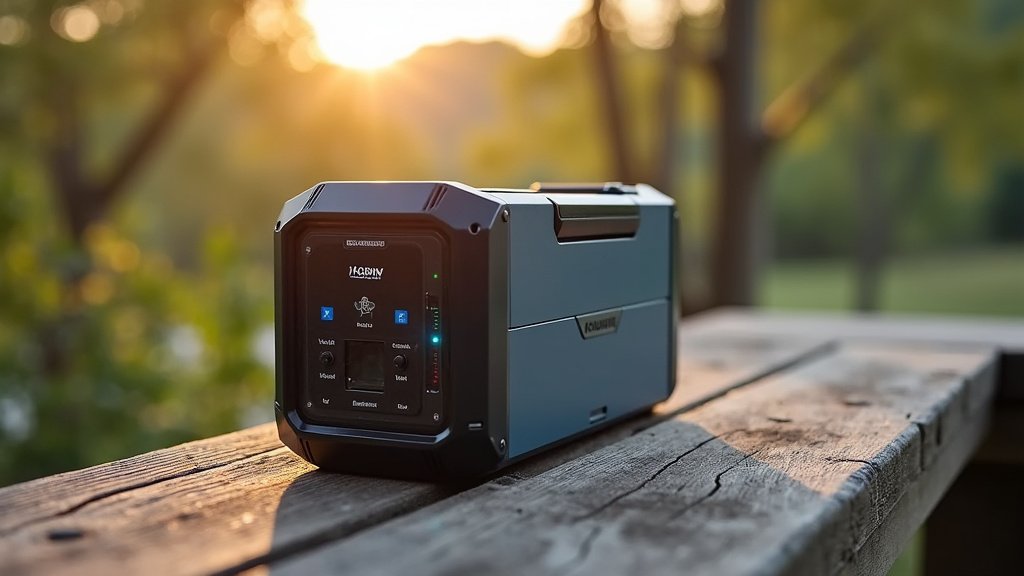
Real-World Scenarios: How a Power Station Helps
Let’s picture a few situations where a portable power station could be a lifesaver. Imagine a sudden thunderstorm knocks out the power for a few hours. Your phone might be low on battery, and you rely on it to check on family or get updates. You can simply plug it into the power station and keep it charged. Or perhaps you have a small CPAP machine that needs to run through the night. A power station can provide that essential power, giving you peace of mind.
We also found that these units are fantastic for everyday convenience. Going out on the patio for a book club meeting? Bring your lamp and a charging brick for your e-reader. Heading to a community event? Keep your phone topped up. They offer a sense of security that extends beyond just emergencies.
Understanding Watt-Hours (Wh) and Wattage (W)
It’s helpful to understand two key terms: Watt-hours (Wh) and Watts (W).
Watt-hours (Wh) is the total amount of energy a power station can store. Think of it like the size of the fuel tank in your car. A bigger tank (higher Wh) means it can run for longer.
Watts (W) is the rate at which power is delivered. This tells you how powerful the device is and what kind of appliances it can run. Your devices have a wattage rating (e.g., a phone charger might be 15W, a small fan 30W). The power station’s “output wattage” must be higher than the total wattage of the devices you want to run simultaneously.
We found that for seniors, focusing on Wh for duration and ensuring the output wattage can handle essential items like phones and small medical devices is usually the best approach.
| Capacity (Wh) | Typical Use Cases | Recharge Examples (approx.) |
|---|---|---|
| 150-250 Wh | Charging phones, tablets, powering small LED lights for a few hours. | Charge smartphone 10-15 times; power a 10W light for 15-25 hours. |
| 250-500 Wh | Charging multiple devices, running small fans or medical equipment for longer periods. | Charge smartphone 20-35 times; power a 10W light for 25-50 hours. |
| 500+ Wh | Running larger appliances, powering multiple devices for extended durations. | Can power more demanding items, longer runtimes. |
Many experts suggest starting with a capacity that meets your most frequent needs. It’s better to have a little extra than not enough when you really need it.
Conclusion
You’ve learned that the best portable power station for seniors prioritizes ease of use, lightweight design, and clear displays. We found that focusing on simple controls, adequate battery capacity (200-500Wh), and essential ports like AC and USB will meet most needs. Safety features are also a must for peace of mind. Your next step is to look at specific models that match your personal requirements, perhaps starting with those that feel most comfortable and intuitive to operate. This investment offers reliable backup power and everyday convenience.
Frequently Asked Questions
How much does a good portable power station for seniors typically weigh?
We found that models weighing under 20 pounds are generally easiest for seniors to handle. Look for units with comfortable, ergonomic handles to make them easier to carry around your home.
What is the most important feature for seniors when choosing a power station?
Ease of operation is key. We recommend looking for power stations with simple, clearly labeled buttons and a large, bright digital display that’s easy to read at a glance.
How many devices can a typical senior-friendly power station run at once?
Most power stations suitable for seniors offer at least one AC outlet and multiple USB ports. This setup allows you to charge a phone, tablet, and power a small lamp or fan simultaneously.
Is it hard to recharge a portable power station?
No, recharging is generally straightforward. Most units plug into a standard wall outlet, and many can recharge fully in under 8 hours. Some also offer car or solar charging options.
What’s the difference between Watt-hours (Wh) and Watts (W) for a power station?
Watt-hours (Wh) measure the total energy stored, indicating how long it can run devices. Watts (W) measure the power output rate, determining what devices it can power simultaneously. You need enough Wh for duration and sufficient W for your essential electronics.
