
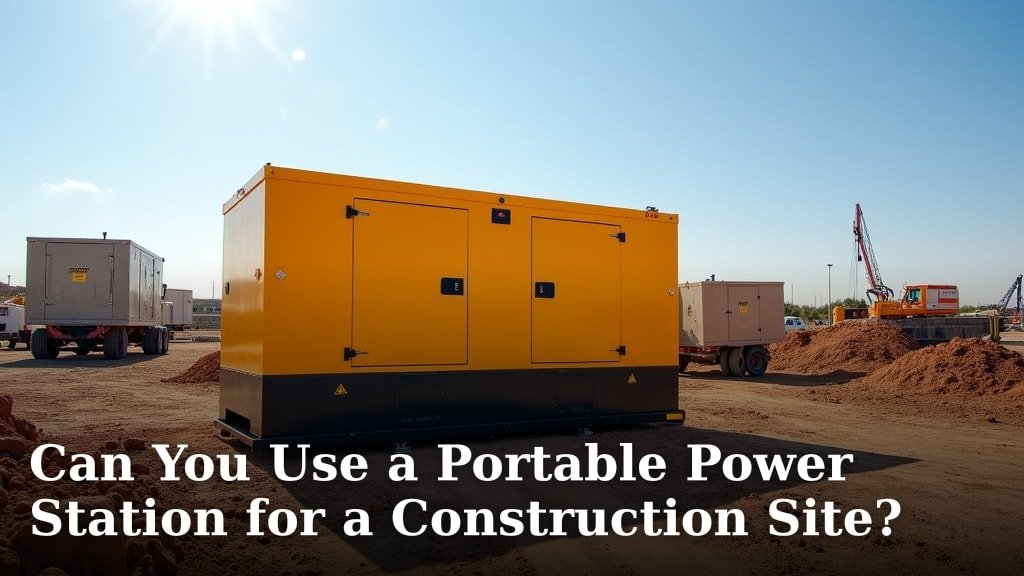
Yes, you absolutely can use a portable power station for a construction site. These portable units offer a flexible and often quieter alternative to noisy, fume-spewing generators. They are perfect for powering tools and charging devices where grid power isn’t readily available or convenient.
Many construction professionals are discovering the benefits of portable power. They provide clean energy for various tasks, from running drills and saws to keeping communication devices charged. This can lead to a more efficient and environmentally friendly worksite.
- Portable power stations are great for construction sites.
- They are a quieter and cleaner option than traditional generators.
- You can power tools and charge electronics easily.
- They offer flexibility for various job locations.
- Consider the power needs of your tools beforehand.
Let’s break down how a portable power station can work for your construction projects and what you should consider before making the switch. Our guide to portable power station size can help you choose the right unit.
Powering Your Construction Site with Portable Energy
Yes, you can absolutely use a portable power station for your construction site. Many professionals are finding these units a fantastic alternative to traditional generators. They offer flexibility, quiet operation, and clean power for a variety of tasks on site.
What Exactly is a Portable Power Station?
Think of a portable power station as a giant, rechargeable battery with multiple outlets. It stores electricity and lets you plug in your tools, charge your devices, or run other essential equipment. Unlike gas generators, they don’t burn fuel, which means no fumes and much less noise.
How They Compare to Generators
Generators have been the go-to for decades. They work by burning gasoline or diesel to create electricity. While powerful, they come with downsides. They are loud, often requiring hearing protection. They also produce exhaust fumes, which aren’t great for air quality or your lungs. Plus, you always need to keep a stock of fuel on hand.
Portable power stations, on the other hand, are virtually silent. You can charge them up at home or at the office using a standard outlet, or even with solar panels on sunny days. This means you can bring clean, quiet power directly to where you need it on the job. We found that this quiet operation can lead to a more pleasant working environment for everyone.
Choosing the Right Power Station for Your Needs
Not all portable power stations are created equal, especially when it comes to construction. You’ll need to consider a few key factors to ensure you pick a unit that can handle your workload.
Understanding Wattage: The Heart of Power
The most important spec to look at is wattage. This tells you how much power a device can deliver. Tools have two types of wattage ratings: running wattage and surge wattage. Running wattage is the continuous power needed. Surge wattage is the extra burst of power needed to start up certain tools, like drills or saws.
You need a power station that can meet both. Always check the peak or surge wattage of your tools. Your power station’s output must be higher than this surge number. For example, a power saw might need 1,000 watts to run but 2,000 watts to start. You’ll need a station that can provide at least 2,000 watts for that tool.
How to Calculate Your Power Needs
To figure out what you need, make a list of the tools you plan to use. Note down their running and surge wattage. Add up the surge wattages of any tools you might use *simultaneously*. However, it’s more practical to assume you’ll use tools one at a time for most tasks. Consider the tool with the highest surge wattage. Then, find a power station that exceeds this number. We found that erring on the side of caution and getting a slightly higher capacity unit is usually a good idea.
Battery Capacity: How Long Will It Last?
Battery capacity is measured in watt-hours (Wh). This tells you how much energy the power station can store. A higher Wh number means it can power your tools for longer. For a construction site, you’ll likely need a unit with a substantial battery capacity.
For example, if you have a tool that draws 500 watts, a 1,000 Wh power station could theoretically run it for two hours (1000 Wh / 500 W = 2 hours). However, real-world use is often less efficient. You also need to account for the power station’s own internal usage. We found that a unit with at least 1,000 Wh or more is a good starting point for many construction tasks.
Recharging Your Power Station
How quickly can you recharge your power station? This is just as important as how long it can run. Most units can be recharged via a wall outlet, a car adapter, or solar panels. Solar charging is a great option for remote sites. It offers continuous power if you have enough sunlight and panels. Some larger units can recharge fully in a few hours, while others might take longer.
What Can You Power on a Construction Site?
Portable power stations are surprisingly versatile. They can handle many common construction tasks and keep your team connected.
Cordless Tool Charging
This is perhaps the most common use. Keep your batteries topped up for drills, impact drivers, saws, and sanders. No more running back to the truck or finding an extension cord. A power station ensures your cordless tools are always ready to go.
Powering Smaller Electric Tools
While they might not run the biggest equipment, many portable power stations can handle smaller electric tools. Think about lights, fans, radios, or even a small air compressor. This can greatly improve comfort and productivity on site.
Keeping Communication Devices Charged
In today’s world, reliable communication is key. Power stations ensure that smartphones, tablets, and walkie-talkies stay charged. This keeps your team connected and improves site safety and coordination.
Running Essential Site Equipment
Need to power a laptop for site plans? Or perhaps a small coffee maker to keep morale high? A portable power station can handle these needs too. It’s like having a convenient power hub wherever you are.
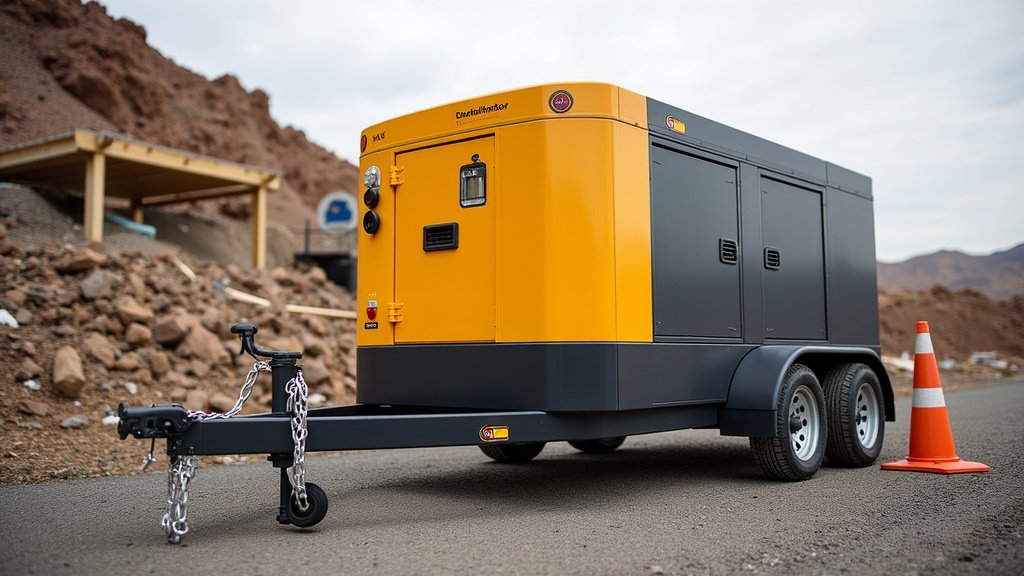
Portability and Durability: Built for the Jobsite
Construction sites can be tough environments. Your power solution needs to be able to withstand the wear and tear. Look for power stations that are designed with durability in mind.
Many units feature rugged casings and reinforced handles. Some are even rated for water and dust resistance, which is a big plus on a messy job site. Check the weight and dimensions to ensure it’s easy to transport between locations or up stairs. A well-built unit will be a reliable companion for your projects.
Making the Switch: Key Considerations
Switching from traditional generators to portable power stations involves a few practical steps. It’s about ensuring you have a smooth transition and the right equipment.
Calculating Your Specific Needs – A Quick Checklist
Before you buy, take a moment to answer these questions. This will help you pinpoint the right model.
- What is the highest surge wattage of any tool you’ll use?
- How many hours a day do you typically need to power tools?
- Will you be charging batteries primarily, or running tools directly?
- Do you need to power multiple devices at once?
- What is your budget for a portable power station?
- Where will you recharge the power station when not on site?
Cost-Effectiveness Over Time
While the upfront cost of a high-capacity portable power station can be higher than a small generator, consider the long-term savings. You save money on fuel. Maintenance costs are also typically lower. Plus, the reduced noise and emissions can sometimes avoid permitting issues or neighborhood complaints.
Many experts suggest that for frequent use, the return on investment for a portable power station is quite good. You’re investing in a more convenient, cleaner, and often more reliable power source. We found that the reduced hassle alone can be worth the price for many teams.
Safety First: Following Best Practices
Portable power stations are generally very safe. However, it’s always good to follow manufacturer guidelines. Ensure the unit is placed on a stable surface. Avoid extreme temperatures. And never overload the outlets. It’s a simple step, but vital for longevity and safe operation.
For any tool that requires a lot of power, it’s wise to check the power station’s specifications carefully. Always use the correct extension cords if needed. Following these simple guidelines ensures you get the most out of your power station and keep your job site running smoothly.
Conclusion
You’ve seen that portable power stations are a smart choice for modern construction sites. They offer a quiet, clean, and flexible alternative to traditional generators. By understanding your tool’s wattage and the station’s capacity, you can pick the right unit. This technology helps you keep tools charged, devices connected, and your workday running smoothly. Take the next step and calculate your site’s power needs to find the best portable power station for your projects. Your team will thank you for the reduced noise and consistent power.
Frequently Asked Questions
How do I know if a portable power station has enough power for my tools?
Always check the surge wattage requirement of your tools. Your power station’s peak output must exceed this number. We found that summing the surge wattages of tools you might use simultaneously, then adding a buffer, is a safe bet.
Can a portable power station handle multiple tools at once?
It depends on the power station’s capacity and the tools’ combined wattage. For simultaneous use, ensure the station’s continuous running wattage exceeds the total draw. It’s often more practical to run tools one at a time.
Are portable power stations durable enough for a construction site?
Many are built for rugged environments with reinforced casings. Look for units that are water and dust resistant for added durability. Check reviews from other construction professionals.
How long does it take to recharge a portable power station?
Recharge times vary greatly by model and method. Wall outlets are typically fastest, often a few hours. Solar charging can take much longer but offers continuous power on sunny days.
What’s the main advantage of using a power station over a gas generator on site?
The biggest advantages are quiet operation and zero emissions. This creates a more pleasant and healthier work environment. Plus, you eliminate the hassle and cost of buying and storing gasoline.
