Portable Power Station vs Solar Generator: Differences (October 2026)
A portable power station is the battery unit; a solar generator usually means that unit paired with solar panels. The names overlap, so check whether a panel is included before choosing a setup.
On this page (10 sections)
- Portable Power Station vs Solar Generator: What Is the Difference?
- Is a solar generator different from a power station?
- What parts make up a solar generator?
- What does “solar generator” mean on a product name?
- Which should you choose for camping or travel?
- How should you compare battery capacity and output?
- Does a solar panel power devices directly?
- What should you check before buying a solar setup?
- Is a portable power station cheaper than a solar generator?
- Which setup should you buy?
Portable Power Station vs Solar Generator: What Is the Difference?
A portable power station is a battery unit, while a solar generator usually means a power station paired with solar panels. In a portable power station vs solar generator comparison, the main difference is often what comes in the box, not how the stored electricity works.
A power station stores energy and sends it to devices through its outlets and ports. A solar panel can recharge it when the station supports solar input and the panel is compatible.
The name “solar generator” can refer to a battery station even when its panel is sold separately. Check whether a kit includes a panel, which cable it needs and how much power the station can deliver.
 Best for a compact battery-only setup
Jackery Explorer 300 Portable Power Station
 Best for higher power needs
Jackery Explorer 1000 v2 Portable Power Station
Is a solar generator different from a power station?
A solar generator is commonly a portable power station used with solar panels. The phrase is broad, so it doesn't by itself tell you whether the panel comes with the battery.
Both terms can describe a rechargeable battery unit with ports for charging devices. It may recharge from a wall outlet, a vehicle, solar panels or a combination, depending on the model.
The difference matters at checkout. A solar-ready station may require a separate panel, while a solar kit may bundle the battery, panel and connection cable.
The term also doesn't mean the unit makes energy from fuel. These products store electricity in a battery; the panel, when compatible, replenishes that stored energy from sunlight.
For a broader look at how a battery station differs from a fuel-powered unit, see what separates a power station from a generator.
What parts make up a solar generator?
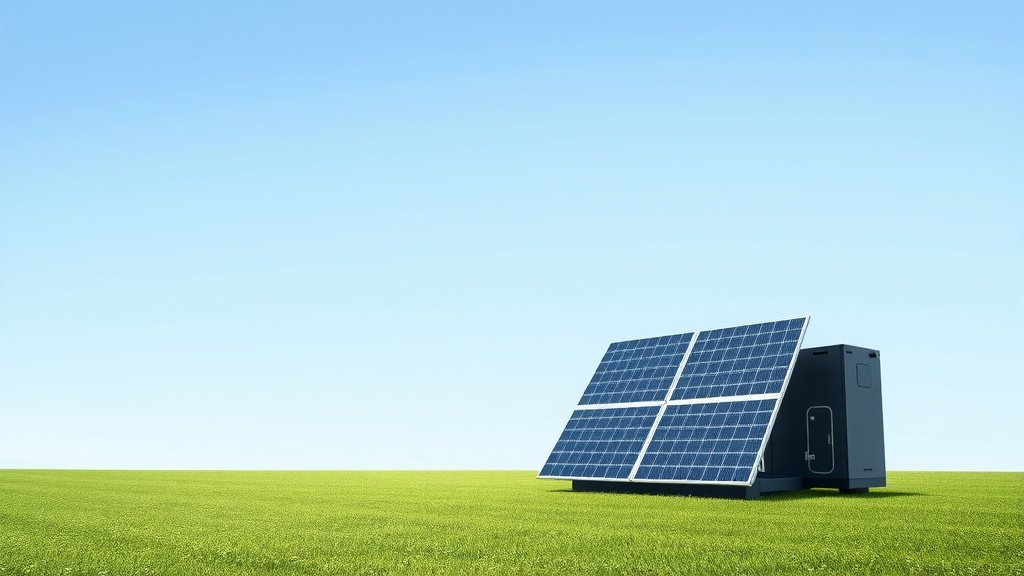
A typical solar generator setup has a battery power station, a solar panel and a compatible charging connection. You can buy those parts together or assemble a compatible setup separately.
The station stores energy and powers your devices. Its capacity, measured in watt-hours (Wh), describes stored energy, while its output rating in watts (W) helps show which devices it can run.
The panel produces electricity in sunlight. Its rated output describes the panel under stated conditions, but real charging depends on sunlight, positioning and the station's solar input limits.
The connection matters too. Some stations use a supplied cable or adapter, and some panels need an additional cable.
Confirm connector and voltage requirements before connecting equipment.
What does “solar generator” mean on a product name?
It may describe a battery station that can recharge from solar panels, whether or not a panel is bundled. Treat the package contents as the deciding detail.
The Jackery Explorer 300 can pair with Jackery panels, but its panel is not included. A buyer who reads “solar generator” as “battery plus panel” could end up with a station but no way to recharge it from sunlight.
By contrast, the MARBERO 237Wh Solar Generator comes with a 60W foldable panel. Its setup instructions describe connecting the panel through the supplied DC cable and the appropriate adapter.
Names alone don't settle what you need to buy. Confirm the included components, solar compatibility and any cable requirements for the exact station.
Which should you choose for camping or travel?
Choose by stored capacity, device output and how you'll recharge away from home. A panel is useful only if it matches the station and you can place it in suitable sunlight.
For phones, cameras and other modest loads, a compact station may be enough if you can recharge it between uses. The Explorer 300 weighs 7.5 lb and has 292Wh of capacity, but its 300W rated output sets a limit on the total device load.
For a bundled solar option, the MARBERO set pairs 237Wh of capacity with a 60W foldable panel. Its rated output is 300W, so check the wattage of each device and avoid loads above that limit.
For a higher output and more stored energy, the Explorer 1000 v2 offers 1,070Wh and 1,500W AC output. Its solar panel is sold separately, and Jackery says solar charging works only with Jackery panels.
If you want a smaller station with higher continuous output than the two 300W options above, the BLUETTI Elite 30 V2 provides 288Wh and 600W continuous output. It supports solar charging, but the panel isn't included.
How should you compare battery capacity and output?
Check both watt-hours and watts because they answer different questions. Capacity helps estimate how long a battery may run a load, while output helps determine whether it can run that load at all.
A station rated for 300W can't supply a device that needs more than its supported output. For a device under that limit, runtime still depends on its actual draw, conversion losses and other devices connected at the same time.
The Explorer 300 has 292Wh of capacity and a 300W rated output. The MARBERO station has 237Wh and a 300W rated output, while the BLUETTI Elite 30 V2 has 288Wh and 600W continuous output.
The Explorer 1000 v2 has the highest capacity and output among these four options, at 1,070Wh and 1,500W AC output. That doesn't mean it suits every trip; consider carrying weight and the equipment you plan to power.
For a plain-language explanation of the battery unit itself, read what a portable power station is. If you're deciding whether a battery station or a standalone inverter fits your setup, compare a portable power station vs inverter.
Does a solar panel power devices directly?
In these setups, the panel charges the station, which then supplies power to your devices. The station buffers energy in its battery, so your devices don't have to depend on sunlight at the moment they're being used.
That stored energy is useful when clouds pass, after sunset or when you move the panel. It is still limited by the station's capacity and output, so plan the load and recharge time around your devices.
Panel placement affects charging. Keep the panel in direct sunlight and follow its instructions, then check the station's display or app if it offers charging status.
Don't assume a panel will fully recharge a station in a particular time just because it has a stated wattage. Weather, sun angle, shading and the station's input limit all affect the result.
What should you check before buying a solar setup?
Verify the included panel, compatibility, connections and device limits before choosing. These checks help prevent a mismatch between the station and the way you'll use it.
First, look for a clear list of what's included. A station may come with wall or car charging cables but no solar panel.
Next, confirm that the panel is compatible with the station. The Explorer 1000 v2, for example, is compatible only with Jackery solar panels for solar charging.
Then check whether you need another cable or adapter. BLUETTI says the Elite 30 V2 can connect directly to the cable supplied with its 60W solar panel, while other panel types may need a separate solar charging cable.
Finally, compare your devices' running wattage with the station's output rating. Pay attention to high-draw devices and startup surges, and follow the station manual's limits.
Is a portable power station cheaper than a solar generator?
The terms alone don't tell you which setup costs less because a “solar generator” may or may not include panels. Compare the full kit you need, including the station, compatible panels and any required cables.
If you already own a compatible panel, a battery-only station may cover your needs. If you don't, compare a panel-included kit against buying a station and panel separately.
Also consider whether solar recharging is useful for your routine. If you'll recharge mostly at home or in a vehicle, a panel may add equipment you rarely use.
For a cost comparison with a fuel generator, see whether a portable power station is cheaper than a generator. For ongoing ownership costs, read portable power station vs gas generator long term.
Which setup should you buy?
Choose a portable power station when you want a battery and prefer to select a compatible panel separately; choose a solar generator kit when the included panel fits your needs. Either way, match the output to your devices and the capacity to your expected runtime.
For a compact battery-first option, the Explorer 300 includes no panel. For a bundled panel setup, the MARBERO set includes a 60W foldable panel.
If you want more capacity or output, compare the Explorer 1000 v2 and BLUETTI Elite 30 V2 against your device list.
Before you rely on any station, learn how to use a portable power station and follow the manufacturer's charging and operating instructions.
Frequently asked questions
Is a solar generator the same as a portable power station?
Often, the terms refer to the same battery-based unit, but solar generator commonly describes a portable power station used with solar panels. The phrase doesn't guarantee a panel is included.
Check the exact package contents and compatibility before buying.
Does a portable power station need a solar panel?
No. A portable power station stores energy in a battery and can often recharge from a wall outlet or vehicle, depending on the model.
Solar panels are an optional way to recharge some units away from those sources.
Can I use any solar panel with a power station?
No. Solar input limits, connectors and compatibility vary by model.
Check the station's solar charging instructions and the panel's output before connecting them; some brands restrict solar charging to their own panels or require a separate cable.
Does a solar generator run forever in sunlight?
No. A solar panel may recharge a battery in suitable sunlight, but it doesn't promise continuous power or unlimited energy.
Output depends on the panel, sun conditions, station limits and what you're running, so plan around both stored capacity and recharge time.
Which should I buy, a solar generator or a power station?
Choose a battery-only station if you already have a charging plan or want to pick a panel separately. Choose a panel-included solar kit if its panel suits your use.
Compare capacity, output, recharge options, included parts and device requirements.