

Is Goal Zero worth the price? Yes, for many people, Goal Zero portable power stations and solar panels are a worthwhile investment if you need reliable, off-grid energy. They offer a good balance of durability, ease of use, and dependable power for camping, emergencies, or off-grid living.
When considering Goal Zero, think about your specific needs. Are you powering a small campsite or a whole home during an outage? We found that understanding the wattage and capacity of each unit is key. Many users report that Goal Zero products are a smart choice for consistent power, even in remote locations.
- Goal Zero offers reliable portable power for various needs.
- Assess your power requirements to choose the right unit.
- Durability and ease of use are frequently cited benefits.
- Many find it a worthwhile investment for off-grid or emergency use.
Let’s break down exactly what makes Goal Zero stand out, and whether it fits your budget and lifestyle.
Is Goal Zero a Smart Investment for Your Power Needs?
When you’re looking at portable power solutions, the name Goal Zero often comes up. But is it truly worth the money you’ll spend? We found that for many people, the answer is a resounding yes, but it really depends on what you need that power for.
Goal Zero products are generally seen as durable and user-friendly. They aim to make going off-grid or preparing for emergencies as simple as possible. If you’re tired of being tethered to an outlet or worried about what happens when the power goes out, Goal Zero might be your solution.
Understanding Goal Zero’s Core Appeal
What makes Goal Zero stand out from the crowd? It’s a combination of factors that appeal to a wide range of users. Let’s break down what makes them tick.
Portability and Ease of Use
One of Goal Zero’s biggest selling points is its straightforward design. You don’t need to be an engineer to set up their power stations and solar panels. Many units are relatively lightweight and come with clear instructions.
Think about camping. You want gear that’s easy to pack, set up, and use. Goal Zero products often fit this bill perfectly. You can typically plug in your devices and start charging without a fuss. This simplicity is a major win for anyone who isn’t a tech expert.
Durability and Build Quality
These aren’t flimsy gadgets. Goal Zero gear is built to withstand outdoor conditions and frequent use. They use robust materials that can handle being tossed in the back of a truck or exposed to the elements (within reason, of course).
We found that many users report their Goal Zero products lasting for years. This long-term reliability can justify the initial cost. It means you’re not constantly replacing equipment, which saves money and hassle in the long run.
Reliable Off-Grid Power
The core promise of Goal Zero is dependable power when you’re away from traditional electricity sources. Whether you’re powering lights at a campsite, keeping your phone charged on a long hike, or running essential devices during a power outage, Goal Zero aims to deliver.
Their systems are designed to work together. You can pair a solar panel with a power station to recharge your energy storage on the go. This creates a Pairing a solar panel with a power station creates a sustainable power loop for recharging on the go.sustainable power loop that’s incredibly useful.
How to Determine If Goal Zero Fits Your Budget
Let’s talk about the elephant in the room: the price. Goal Zero products are often more expensive than basic power banks or generators. So, how do you know if the investment makes sense for you?
Assessing Your Power Needs: Wattage and Capacity
This is the most critical step. Before you even look at a Goal Zero product, figure out what you need to power. Are you trying to run a laptop, a mini-fridge, or a whole RV? You need to understand two key things: wattage and capacity.
Wattage tells you how much power a device needs to run. Check the labels on your electronics. Capacity, measured in watt-hours (Wh), tells you how much energy a power station can store. A higher Wh means it can power your devices for longer.
We found that many people overestimate their needs or underestimate how much power common devices draw. It’s wise to make a list:
- List all devices you want to power.
- Find the wattage for each device (look for a sticker or the user manual).
- Estimate how long you’ll need to run each device.
- Calculate the total watt-hours needed per day.
Matching Goal Zero Products to Your List
Once you have your power needs clearly defined, you can start looking at Goal Zero’s product line. They offer everything from small portable chargers to larger power stations.
For example, if you just need to keep a phone and a tablet charged at a campsite, a smaller unit like the Goal Zero Venture or Sherpa might be sufficient. If you’re looking to power a small refrigerator, charge multiple devices, and run some lights during an extended power outage, you’ll likely need a larger capacity unit, like the Yeti series.
The company provides detailed specifications for each product, including how long it can power common devices. Use these figures to find the best match for your calculated needs. Remember, it’s often better to have a little more capacity than you think you’ll need.
Comparing Costs: Upfront vs. Long-Term Value
The initial price tag for Goal Zero equipment can seem high. However, consider the long-term value and what you’re getting.
You’re investing in reliability and portability. You’re also investing in the ability to remain connected or comfortable when traditional power is unavailable. Think about the cost of hotel rooms during an outage, or the missed work if your laptop dies unexpectedly.
We found that many users see Goal Zero as an investment in peace of mind. When you compare it to the cost of constantly buying disposable batteries, renting generators, or dealing with the inconvenience of being without power, the price starts to look more reasonable.
Who Benefits Most from Goal Zero?
While Goal Zero can be useful for many, certain groups find it particularly indispensable. Understanding these use cases can help you decide if you fall into one of them.
The Avid Camper and Outdoors Enthusiast
If you spend a lot of time camping, RVing, or exploring remote areas, Goal Zero is a game-changer. It means you can bring along essential electronics without worrying about finding a power source. Think about keeping your GPS charged, running a portable fan, or even powering a small coffee maker.
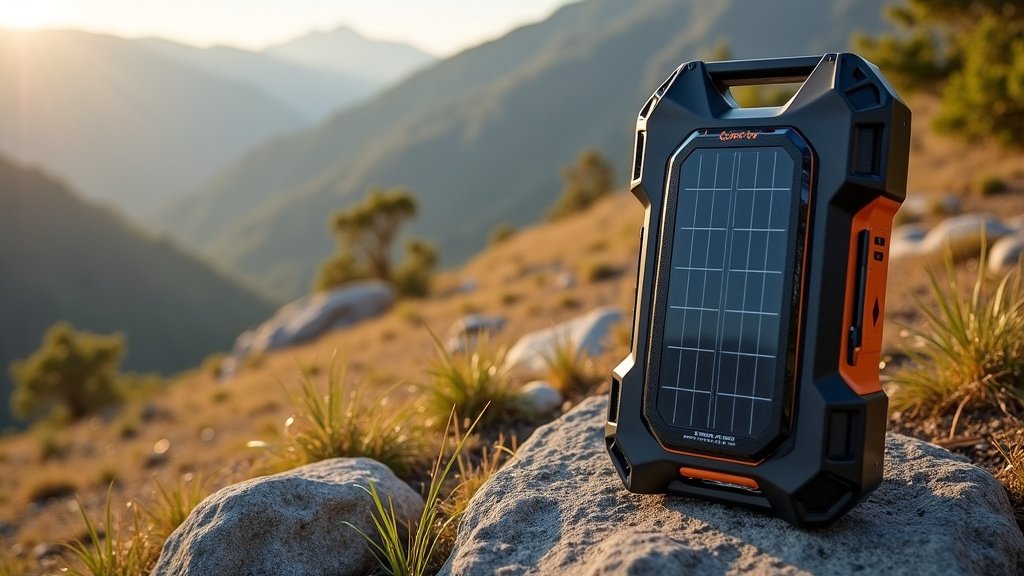
The solar charging capability is especially appealing here. You can set up a panel during the day and recharge your power station, ensuring you have energy throughout your trip. This freedom from the grid is a major draw for outdoor adventurers.
The Prepared Homeowner (Emergency Preparedness)
Natural disasters and extended power outages are a reality for many. Goal Zero offers a way to maintain essential functions at home without relying on noisy, fuel-guzzling generators. You can keep your phones charged, run a few lights, power a medical device, or keep a small fridge running.
Many preparedness experts recommend having a portable power solution. Goal Zero fits this role well due to its ease of use and quiet operation. It’s a practical way to build resilience into your home safety plan.
We found that having a Goal Zero unit provides a significant sense of security during emergencies. Knowing you can still communicate, stay informed, and keep critical devices running is incredibly reassuring.
The Off-Grid Dweller or Van-Lifer
For those living permanently off the grid or in a van, a reliable power system is non-negotiable. Goal Zero provides a scalable solution. You can start with a smaller setup and expand it as your needs grow.
The ability to harness solar power is fundamental for these lifestyles. Goal Zero’s systems are designed to integrate solar charging efficiently, making it possible to live sustainably and comfortably without conventional power access.
Key Features to Consider When Buying
When you’re ready to invest in a Goal Zero product, or even just compare it to other brands, keep these features in mind. They are often the deciding factors for whether a unit will serve you well.
- Battery Capacity (Wh): How much energy can it store?
- Output Ports: Does it have AC outlets, USB-A, USB-C, or 12V ports?
- Input Power: How quickly can you recharge it (AC wall, solar, car)?
- Wattage Output: Can it handle the power demands of your devices simultaneously?
- Portability: Is it easy to move around for your intended use?
- Durability: Does it seem built to last and handle your environment?
A quick checklist to ensure you’re on the right track:
- Have you listed all your power needs?
- Do you know the wattage of your most power-hungry devices?
- Have you calculated your daily watt-hour requirement?
- Are you comparing Goal Zero’s capacity against your needs?
- Do you understand the charging options (solar, wall, car)?
- Does the unit’s size and weight fit your intended use?
By focusing on these aspects, you can make a much more informed decision about whether Goal Zero is the right fit for your budget and lifestyle. It’s not just about buying a product; it’s about investing in a solution that meets your specific power challenges.
Conclusion
So, is Goal Zero worth the price? Our research suggests that for many people, the answer is a clear yes. You’re investing in durable, user-friendly power solutions that offer real freedom for camping, emergencies, or off-grid living. By carefully assessing your specific wattage and capacity needs, you can find a Goal Zero product that truly fits your lifestyle and budget. Don’t just look at the upfront cost; consider the long-term reliability and peace of mind they provide. Ready to take the next step? Make a list of your essential devices and their power demands to confidently choose the right Goal Zero system for your needs.
Frequently Asked Questions
How long do Goal Zero power stations typically last?
Goal Zero products are built for durability. Many users report their power stations functioning reliably for years with proper care. The lifespan often depends on the battery type and how frequently it’s cycled, but they are designed for long-term use.
Can Goal Zero products charge my devices faster than a wall outlet?
Charging speed depends on the specific Goal Zero unit and your device. Larger Goal Zero units with higher wattage output and multiple ports can often charge devices quickly, sometimes rivaling or exceeding standard wall chargers, especially with modern USB-C Power Delivery.
Is Goal Zero solar charging efficient enough for full-time off-grid living?
For full-time off-grid living, Goal Zero can be a solid component, but efficiency depends on panel size and sunlight. You’ll likely need a larger system with multiple panels and a high-capacity power station to consistently meet demand, especially in less sunny climates.
What’s the difference between Goal Zero’s Yeti and Sherpa lines?
The Yeti line generally represents Goal Zero’s larger, more powerful portable power stations, designed for greater capacity and higher wattage output, suitable for powering more demanding appliances. The Sherpa line typically includes smaller, more portable options, ideal for charging electronics and lighter use cases.
Are Goal Zero products noisy when they are operating?
No, Goal Zero power stations are virtually silent when operating. Unlike gas generators, they use battery power and have no moving parts that create noise. This makes them perfect for use in quiet environments like campgrounds or during overnight power outages.
