What Is a Tri Fuel Generator?
A tri fuel generator runs on gasoline, propane, or natural gas. You choose the available fuel, but wattage, runtime, connection method, and storage needs can change between fuel sources.
On this page (9 sections)
- How does a tri fuel generator work?
- How do gasoline, propane, and natural gas differ?
- Why does generator output change between fuels?
- Which tri fuel generators suit different backup needs?
- How should you choose a tri fuel generator?
- How do you use a tri fuel generator safely?
- How do you care for a tri fuel generator?
- Can a portable power station replace a tri fuel generator?
- What is the final rule for choosing a tri fuel generator?
A tri fuel generator runs on gasoline, propane, or natural gas. It gives you three fuel choices for backup power, but the generator's wattage and runtime can change depending on which fuel you use.
That flexibility matters during a storm or outage. Gasoline may be available at first, propane can be stored, and natural gas may keep running through a household line if that service remains available.
How does a tri fuel generator work?
A tri fuel generator uses one internal engine with fuel controls or connections for gasoline, liquefied petroleum gas, and natural gas. You select one fuel source, start the engine, and the engine turns an alternator that produces electricity.
The generator does not normally burn all three fuels at once. Its fuel selector, regulator, hose, and connection method must match the fuel you choose.
A typical setup includes:
- Place the generator outdoors in a safe, open area.
- Select the approved fuel source.
- Connect the fuel supply as directed.
- Start the generator using its electric, remote, recoil, or other starting system.
- Connect loads through approved extension cords or a properly installed transfer switch.
- Monitor fuel, load, oil, and safety warnings while it runs.
Read the owner's manual before changing fuel sources. Shut the generator down and follow the maker's changeover procedure instead of switching fuels while the engine is operating.
How do gasoline, propane, and natural gas differ?
Gasoline, propane, and natural gas differ in storage, availability, connection, and output. The best choice depends on which fuel you can safely access during the outage and the generator's rating for that fuel.
What does gasoline do in a tri fuel generator?
Gasoline is a liquid fuel that can be carried and stored before an emergency. It may provide the highest published wattage on some tri fuel generators, but storage requires an approved container, a cool location, and attention to fuel age.
Gasoline also gives you a backup when a home's natural gas service is interrupted or propane supplies are limited. Never store or refuel gasoline near ignition sources, and shut the generator down before refueling.
What does propane do in a tri fuel generator?
Propane is stored in pressurized cylinders or tanks and does not require the same liquid-fuel handling as gasoline. It can be useful when you want fuel ready for an outage without keeping gasoline in the garage.
For home backup options, compare propane generators for home backup.
Propane output may be lower than gasoline output on the same generator. Check the fuel-specific running and peak ratings before deciding which appliances can run together.
What does natural gas do in a tri fuel generator?
Natural gas connects to a household gas line through the approved setup. It can reduce the need to store fuel, but it depends on the gas service, correct line sizing, and a safe connection installed according to local requirements.
Natural gas may also produce less output than gasoline on some models. Treat the natural-gas rating as the planning number for your loads.
For a broader look at fuel-powered backup options, see our gas generator buying guide.
Why does generator output change between fuels?
Generator output changes because each fuel supplies energy differently and the engine receives fuel through a different delivery system. The alternator's maximum capability may stay the same, but the engine's available power can vary.
A generator may show several numbers:
- Peak watts: short-term starting power for motor-driven loads.
- Running watts: power available for appliances already operating.
- Fuel-specific ratings: the output available on gasoline, propane, or natural gas.
- Amperage: the current available at a stated voltage.
Use running watts when adding the appliances you want to operate together. Add the starting demand for refrigerators, sump pumps, air conditioners, and other motor loads, then compare the total with the rating for your chosen fuel.
A 13,000-watt label does not mean every fuel produces 13,000 running watts. Check the model's gasoline, propane, and natural-gas figures before choosing a transfer-switch setup.
Which tri fuel generators suit different backup needs?
The right tri fuel generator depends on required running watts, starting watts, available fuel, connection needs, and physical handling. Large open-frame units can support substantial loads, but they are heavy and need outdoor operating space.
Who should choose the DuroMax XP13000HXT?
The DuroMax XP13000HXT suits whole-home backup shoppers who want 13,000 watts, three fuel choices, and remote starting. It has a 500cc engine, push-button start, remote start, a front-facing fuel interface, CO Alert, and a transfer switch-ready 50 amp outlet.
The unit measures 30 x 30 x 26 inches and weighs 240 lb. Its steel construction, wheel and handle kit, natural gas hose, propane regulator, remote control, tools, and owner's manual support a larger backup setup.
Choose it when the 50 amp connection and remote start fit your home backup plan. Its 240 lb weight and 30-inch dimensions mean you should measure the storage area, path, and operating position first.
Who should choose the Westinghouse 14500 Peak Watt Tri-Fuel Home Backup?
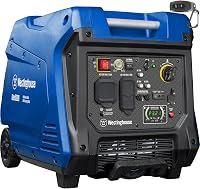
The Westinghouse 14500 Peak Watt Tri-Fuel Home Backup suits residential users who want high peak output, fuel flexibility, and cleaner power for sensitive electronics. It produces 11,500 running watts and 14,500 peak watts on gasoline, with propane and natural gas operation.
For an inverter-style alternative, compare these tri fuel inverter generators.
Its 550cc engine has a pressure lubrication system, and the unit provides less than 5% THD according to the product information. It also has push-button and remote start, a CO sensor, automatic low-oil shutdown, 30A and 50A outlets, and a 9.5-gallon gas tank with up to 19 hours at 25% load.
This model measures 27.2 x 26.1 x 26.5 inches and weighs 230 lb. It is a strong fit when sensitive electronics, a transfer switch plan, or extended gasoline runtime matters, but automatic transfer switch equipment is separate.
For more options in this category, compare our guide to the best tri fuel generators.
Who should choose the DuroStar DS13000MXT?
The DuroStar DS13000MXT suits emergency backup shoppers who want 13,000 peak watts, 10,500 running watts, and gasoline, propane, or natural gas operation. It has a 500cc 4-stroke OHV engine, electric and recoil ignition, remote electric start, CO Alert, and a transfer switch-ready 50 amp outlet.
The unit measures 30.5 x 27.3 x 26 inches. Its included wheel and handle kit, natural gas hose, propane regulator, remote control, oil funnel, spark plug wrench, and tool set support a portable backup setup.
Choose it when you want a DuroStar model with both electric and recoil ignition. Its 10,500 running-watt rating gives you a clear load-planning limit, especially when starting larger motors.
How should you choose a tri fuel generator?
Choose a tri fuel generator by matching the fuel you can depend on with the running-watt and starting-watt needs of your essential loads. Then check the outlet, transfer equipment, noise, storage, and handling requirements.
If two fuel options are enough, compare dual fuel generators for home backup.
What wattage do you need?
List the appliances you want during an outage and write down their running watts. Add the starting demand for appliances with motors, then leave room below the generator's fuel-specific limit.
Essential loads may include a refrigerator, freezer, lights, internet equipment, sump pump, furnace controls, or selected air-conditioning equipment. A whole-home setup needs a load calculation and the right transfer equipment.
If you are unsure which generator size fits your loads, compare the best small tri fuel generators for lower-demand setups.
Which fuel should you plan to use?
Plan around the fuel most likely to remain available. Natural gas may be convenient, propane may be easier to store, and gasoline may offer a higher published output on some models.
Keep a second fuel option ready when practical. A tri fuel generator is most useful when you understand how to change fuel safely and have the correct hose, regulator, cylinder, or household connection.
Do you need remote start?
Remote start can help when the generator sits outside and you want to start it from a distance. It does not remove the need to inspect the area, check fuel connections, confirm ventilation, and monitor the generator.
For two-fuel alternatives, compare dual fuel generators with remote start.
If that feature is central to your setup, see our guide to tri fuel generators with remote start.
How do you use a tri fuel generator safely?
Use a tri fuel generator outdoors, away from doors and windows, with the exhaust directed away from the home. Carbon monoxide can build up quickly in enclosed or partly enclosed spaces, including garages, porches, and carports.
Follow these safety basics:
- Keep the generator dry and protect it from rain as directed by the manual.
- Place it on a stable surface with clear airflow around it.
- Keep children and pets away from the operating unit.
- Shut it down before refueling or changing fuel.
- Use only approved cords, plugs, hoses, regulators, and transfer equipment.
- Never connect it directly to a household wall outlet.
- Let the engine cool before moving or storing the generator.
- Test the CO sensor or CO Alert only as the manual instructs.
A transfer switch or interlock kit must match the generator, panel, and local electrical requirements. Use a qualified electrician for permanent home connections.
How do you care for a tri fuel generator?
Care for a tri fuel generator by following the manual's oil, filter, spark plug, fuel, and storage schedule. Run it periodically according to the manufacturer's instructions so you can identify starting or connection problems before an outage.
Inspect fuel hoses, propane regulators, natural gas connections, cords, outlets, wheels, handles, and warning labels. Keep the generator clean and dry, and store gasoline only as required by local fire and safety rules.
Fuel choice also affects storage planning. Gasoline can degrade over time, propane cylinders need safe storage, and natural gas depends on an operating household supply.
Can a portable power station replace a tri fuel generator?
A portable power station can replace a tri fuel generator for quieter, lower-emission indoor power needs, but it does not offer the same fuel-based runtime or engine output. Compare the use case in portable power station versus fossil fuel generator.
Portable power stations store electricity in batteries and need recharging. A tri fuel generator can continue producing power as long as the engine has a safe fuel supply, but it creates exhaust and must operate outdoors.
If you are considering solar charging, read how a solar generator works before comparing battery capacity, solar input, and appliance demand.
What is the final rule for choosing a tri fuel generator?
A tri fuel generator is best when you want gasoline, propane, and natural gas flexibility for outdoor backup power. Choose the model whose fuel-specific running watts, starting capacity, outlets, safety controls, and transfer setup match your essential loads.
Pick the DuroMax XP13000HXT for 13,000 watts, remote start, and a 50 amp transfer switch-ready outlet. Pick the Westinghouse model for its 11,500 running watts, 14,500 peak watts on gasoline, less than 5% THD, and residential backup features.
Pick the DuroStar DS13000MXT for 10,500 running watts, electric and recoil ignition, and the same three fuel choices.
Frequently asked questions
What is a tri fuel generator?
A tri fuel generator is an engine generator designed to run on gasoline, propane, or natural gas. You select one fuel at a time through the generator's controls or connection setup.
The available output and runtime can vary by fuel, so check the manufacturer's figures before connecting loads.
Does a tri fuel generator produce the same watts on every fuel?
No. Output can change between gasoline, propane, and natural gas.
Gasoline often has the highest published output on models that provide fuel-specific ratings, while propane and natural gas may produce different running or peak wattage.
Use the ratings for your chosen fuel when planning loads.
Can a tri fuel generator power a whole house?
Some large tri fuel generators are designed for whole-home backup and include a transfer switch-ready 30A or 50A outlet. A qualified electrician must install the correct transfer switch or interlock setup.
Never connect a portable generator directly to a home's wall outlet.
Is natural gas or propane better for a generator?
Neither fuel is best for every home. Natural gas can be convenient when the supply remains available, while propane can be stored for an outage.
Gasoline may offer a higher published output on some models, but it requires safe fuel storage and fresh-fuel planning.