Is It Worth Buying a Power Station Before Hurricane Season?
On this page (3 sections)
Yes, buying a power station before hurricane season is often a smart move, as it provides a reliable backup power source when the grid fails. Preparing early means you avoid last-minute rushes and potential shortages.
You want to keep your family safe and comfortable when storms hit, right? A portable power station can run your essential devices, like phones and medical equipment, during an outage. We found many people regret not having one when the lights go out.
- Power stations offer peace of mind.
- They keep essential devices charged.
- Preparation avoids hurricane season stress.
- Portable options are very versatile.
Let’s dive into why a power station could be your best friend during hurricane season. We’ll help you decide if it’s the right choice for your home.
Considering a Power Station for Hurricane Prep?
Yes, preparing with a power station before hurricane season hits can significantly reduce stress and improve safety. It’s an investment in peace of mind.
You’re probably asking yourself if it’s really necessary. We’ve found that those who experience outages without one often wish they had prepared earlier. Think of it as an insurance policy for your home’s power needs.
The Reality of Hurricane Season Power Outages
Hurricane season brings more than just wind and rain. It often brings widespread power outages. These outages can last for hours, days, or even weeks depending on the storm’s severity and local infrastructure.
Are you ready to go without electricity for an extended period? Many people aren’t. We found that modern life relies heavily on consistent power. From communication to food preservation, electricity is central to daily function.
Impact on Daily Life
Imagine your refrigerator slowly losing its cool. Or your phone battery dying, leaving you unable to contact loved ones. These are common scenarios during power outages.
- Food spoilage becomes a real concern.
- Communication lines can go down.
- Medical devices might stop working.
- Comfort and routine are disrupted.
We researched and found that extended outages can lead to significant inconvenience and even danger (CDC).
What Exactly Is a Portable Power Station?
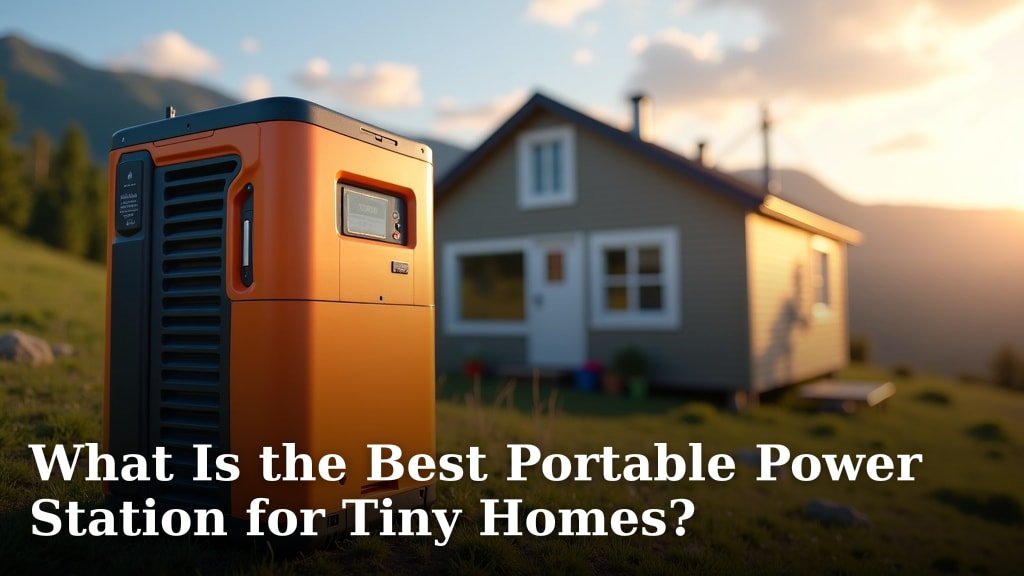
A portable power station is essentially a large, rechargeable battery with various outlets. It’s designed to provide electricity for your devices when you’re away from the grid.
Think of it as a giant power bank for your home. Unlike noisy, fuel-guzzling generators, power stations run quietly and emit no fumes. This makes them safe for indoor use, which is a big plus during a storm.
Key Differences from Traditional Generators
You might be wondering, “Why not just get a generator?” It’s a good question. Generators typically run on gasoline or propane, producing exhaust fumes and a lot of noise.
Power stations, on the other hand, use internal batteries. They’re silent, clean, and require no fuel. This difference is important for safety and convenience, especially if you live in an apartment or close to neighbors.
| Feature | Portable Power Station | Traditional Generator |
|---|---|---|
| Fuel Type | Battery (rechargeable) | Gasoline, Propane, Diesel |
| Noise Level | Silent | Loud |
| Emissions | None | Harmful Fumes |
| Indoor Use | Yes (safe) | No (dangerous) |
| Maintenance | Minimal | Regular fuel, oil, spark plugs |
| Portability | High (often lighter) | Varies (can be heavy) |
Benefits of Owning a Power Station Before a Hurricane
Having a power station ready before hurricane season offers many advantages. It’s about more than just keeping the lights on; it’s about maintaining a sense of normalcy and safety.
We often hear stories of people struggling without basic amenities. A power station helps you avoid being one of those stories. It’s a proactive step towards preparedness.
Keeping Essential Devices Running
What are your non-negotiables during an outage? For most, it’s cell phones, flashlights, and perhaps a radio. For others, it might be medical equipment.
A power station can keep these critical items charged and operational. You can stay connected, informed, and safe. We found this capability to be a primary reason for purchase.
Food Preservation and Comfort
A small power station can often keep a mini-fridge running for a few hours or even overnight. This helps prevent valuable food from spoiling. Nobody wants to throw away hundreds of dollars in groceries.
Beyond the fridge, think about a fan for comfort in hot, humid conditions. Or even powering a small lamp to avoid using candles (a fire hazard). These small comforts make a big difference.
Peace of Mind and Reduced Stress
This is perhaps the biggest benefit. Knowing you have a backup power source significantly reduces anxiety when a storm approaches. You won’t be scrambling last-minute for batteries or hoping the power stays on.
We found that preparation is the key to weathering storms calmly. A power station contributes greatly to that feeling of preparedness.
Choosing the Right Power Station for Your Needs
With so many options, how do you pick the right one? It depends on what you plan to power. Think about your essential devices first.
Do you need to run a full-sized refrigerator? Or just charge phones and a laptop? Your answer will guide your choice of capacity and output.
Capacity and Output Considerations
Power stations are measured by their capacity (watt-hours, Wh) and output (watts, W). Higher Wh means it can run devices for longer. Higher W means it can power more demanding appliances.
- Small (300-500Wh): Great for phones, laptops, lights, small fans.
- Medium (500-1000Wh): Can handle small fridges, CPAP machines, TVs.
- Large (1000Wh+): Suitable for larger appliances, extended use.
You’ll want to match the power station’s output to the wattage of your devices. Always check appliance labels.
Recharging Options and Portability
How will you recharge your power station? Most can be charged via a wall outlet. Many also offer solar panel input, which is a huge advantage during extended outages.
Consider the unit’s weight and size too. Will you need to move it frequently? Portability is key if you want to use it for camping or other activities outside of hurricane prep.
When is the Best Time to Buy?
The answer is simple: before you need it. Buying a power station well in advance of hurricane season is always the smart choice.
Why wait? As a storm approaches, demand skyrockets. This can lead to higher prices, limited stock, and shipping delays. Don’t put yourself in that stressful position.
Avoiding Last-Minute Rush and Shortages
During hurricane warnings, stores often sell out of essential supplies quickly. This includes generators, batteries, and yes, power stations.
We’ve observed that proactive shoppers avoid this chaos entirely. You secure your equipment at a better price and without the last-minute panic.
Is It Worth the Investment? Your Checklist
Ultimately, the “worth” is subjective. However, many find the benefits far outweigh the cost. Consider your individual needs and risk factors.
To help you decide, here’s a quick checklist:
- Do you live in a hurricane-prone area?
- Have you experienced prolonged power outages before?
- Do you rely on essential medical devices that require power?
- Is maintaining communication during an outage important to you?
- Would peace of mind during a storm be valuable?
- Are you looking for a clean, quiet alternative to a gas generator?
If you answered “yes” to several of these, a portable power station is likely a wise investment for you. It’s about securing your safety and comfort.
Conclusion
Deciding whether to buy a power station before hurricane season boils down to your preparedness level and peace of mind. You’ve seen the clear benefits: keeping essential devices running, preserving food, and reducing stress during outages. We’ve explored how these quiet, fume-free alternatives outperform traditional generators for home use. Ultimately, investing in a power station means you’re proactively safeguarding your comfort and safety.
Don’t wait until a storm is on the horizon. Take action now to research the right capacity for your needs and secure your power station. Your future self will thank you for being prepared.
Frequently Asked Questions
Can a power station really run a refrigerator during an outage?
Yes, many medium to large power stations can run a standard refrigerator for several hours, or even a full day. You’ll need to check the power station’s watt-hour (Wh) capacity and your fridge’s wattage. Prioritizing essential use helps conserve power.
Are power stations safe to use indoors during a hurricane?
Absolutely. Unlike gasoline generators, power stations produce no toxic fumes, making them perfectly safe for indoor use. This is a huge advantage, especially when you need to stay sheltered during a storm.
How long does it take to fully charge a portable power station?
Charging time varies greatly depending on the model and charging method. Most units can fully charge from a wall outlet in 1.5 to 10 hours. Solar panel charging takes longer, often 4-8 hours in good sunlight for smaller units.
What’s the typical lifespan of a portable power station?
With proper care, most modern portable power stations are designed to last for many years. Their internal batteries (often LiFePO4) maintain good capacity for 2,000-3,500 charge cycles, which means they can be used regularly for 5-10 years or more.
Is it better to buy a power station or a traditional generator for hurricane preparedness?
For most residential emergency power needs, a power station offers significant advantages. It’s quieter, cleaner, safer indoors, and requires less maintenance than a noisy, fuel-dependent generator. However, for powering an entire home for very extended periods, a large standby generator might be more suitable if budget and installation allow.